Aston Martin Historien
Aston Martin Lagonda Global Holdings PLC er en Britisk producent af luksus sports vogne og grand tourers (GT biler). Forgængeren blev dannet i 1913 af Lionel Martin og Robert Bamford. Firmaet blev fra 1947 ledet af David Brown, og blev nu synonymt med dyre GT biler I 1950’erne og 1960’erne, og med film karakteren James Bond, der brugte DB5 modellen i 1964 filmen Goldfinger. Aston Martin bilerne anses for at være et Britisk kultur ikon.
Aston Martin har været hofleverandør til Charles III (Prinsen af Wales og senere konge) siden 1982, de har mere end 160 bil forretninger i 53 lande, hvilket gør dem til et globalt bilmærke.
Aston Martin’s hovedkvarterets og produktion ligger i et 22 ha stort kompleks i Gaydon, Warwickshire, England, det tidligere RAF Gaydon kompleks, der ligger op til Jaguar Land Rover Gaydon Centeret. Det gamle 1,5 ha sted i Newport Pagnell, Buckinghamshire er nu hjemsted for Aston Martin Works classic car afdelingen, hvis fokus er på salg, service, reservedele og genopbygning af de gamle klassikere. Den 36 ha store fabrik i St Athan, Wales er stedet hvor de producerer Aston Martin’s første SUV, nemlig DBX.
Aston Martin har været involveret i motorsport på forskellige tidspunkter i deres historie, mest i sportsvogn race, men også i formel 1.
Aston Martin blev dannet i 1913 af Lionel Martin og Robert Bamford. De to havde slået sig sammen som Bamford & Martin det forgående år, for at sælge biler lavet af Singer fra deres lokaler i Callow Street, London, hvor de også servicerede GWK og Calthorpe køretøjer.
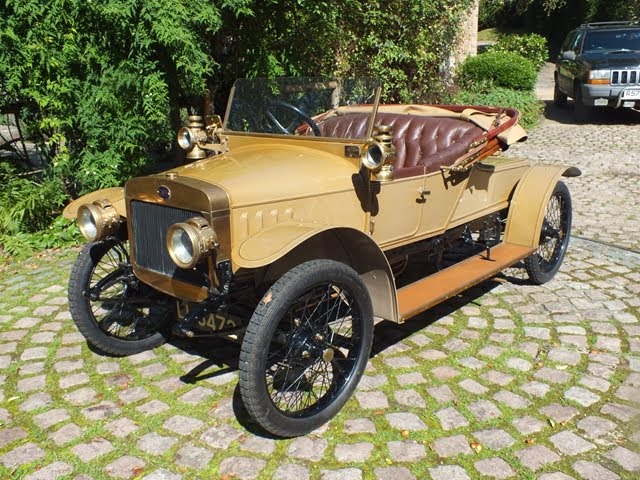
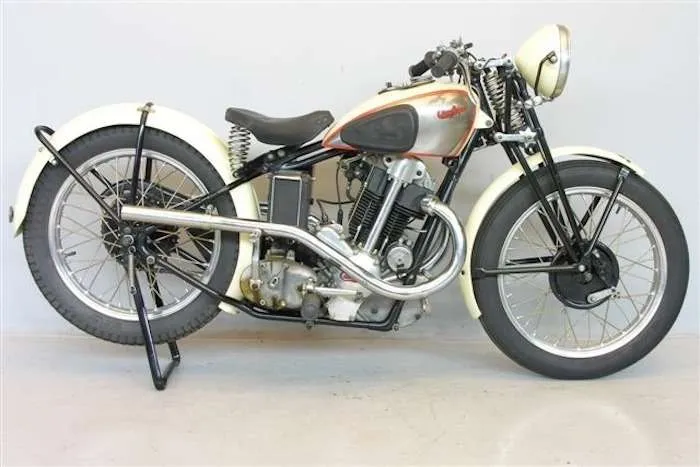
Martin kørte race med specialbyggede biler på Aston Hill nær Aston Clinton, og derfor besluttede de at bygge deres egne køretøjer. Den første bil med navnet Aston Martin blev lavet af Martin ved at tilpasse en 4-cylindret Coventry-Simplex motor på et chassis fra en 1908 Isotta Fraschini.
De købte en grund på Henniker Mews i Kensington og her byggede de deres første bil i Marts 1915. Produktionen kunne dog ikke begynde da første Verdenskrig lige var startet, hvorfor Martin blev rekruteret til Admiralitetet og Bamford til hærens Service korps.
1918–1939: Mellemkrigs årene
Efter krigen flyttede de til eternity nyt sted på Abingdon Road, Kensington og designede en ny bil. Bamford forlod firmaet i 1920 og Bamford & Martin genopstod med midler fra Louis Zborowski. I 1922 byggede Bamford & Martin biler, der skulle deltage i det franske Grand Prix, bilerne satte nye verdens rekorder for hastighed og udholdenhed på Brooklands. Det var tre works Team biler, med 16-ventilede DOHC motorer der satte verdens rekorderne: chassis nummer 1914, blev senere udviklet til modellen Green Pea; chassis nummer 1915 til Razor Blade rekord bilen; og chassis nummer 1916 blev senere udviklet til modellen Halford Special.
Der blev bygget 55 biler i to konfigurationer; langt chassis og kort chassis. Bamford & Martin gik konkurs i 1924 og blev opkøbt af Dorothea, Lady Charnwood, der gjorde sin søn John Benson til bestyrelses medlem. Bamford & Martin røg i financielle vanskeligheder igen i 1925 og Martin var tvunget til at sælge firmaet (Bamford havde allerede forladt firmaet i 1920).
Senere samme år tog Bill Renwick, Augustus (Bert) Bertelli og andre investorer inklusive Lady Charnwood kontrollen over firmaet. De omdøbte firmaet til Aston Martin Motors og flyttede det til det tidligere Whitehead Aircraft Limited Hanworth works i Feltham. Renwick og Bertelli havde allerede været partnere i nogle år, og sammen havde de udviklet en 4-cylindret OHC motor, der brugte Renwick’s patenterede forbrændingskammer design, hvilket de havde testet i et Enfield-Allday chassis. Det var den eneste “Renwick and Bertelli” bil der blev lavet, den blev kendt som “Buzzbox” og har overlevet til idag.
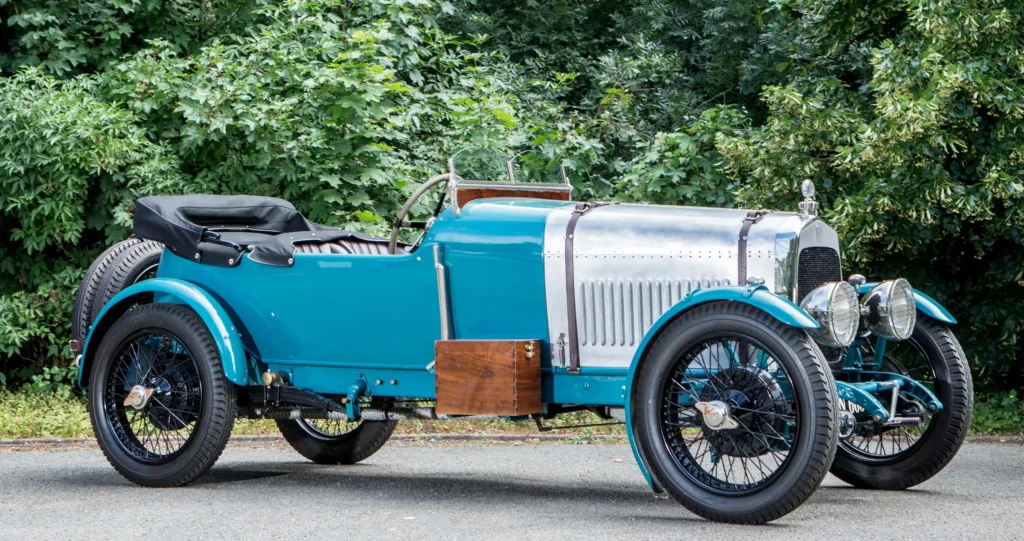
Deres plan var oprindeligt at sælge deres motor til andre bil producenter, men da de hørte at Aston Martin ikke længere blev produceret, indså de at de kunne udnytte mærkets ry, til at starte produktionen af en helt ny bil.
Mellem 1926 og 1937 var Bertelli både teknisk leder og designer af alle nye Aston Martins, siden kendt som “Bertelli biler”. De inkluderede 1½-litre “T-type”, “International”, “Le Mans”, “MKII” og “Ulster”, samt 2-litre 15/98 og dens racer udgave “Speed Model”. De fleste var åbne 2-sædet sports vogne med karosseri fra Bert Bertelli’s bror Enrico (Harry), med nogle få på et langt-chassis med 4 sæder, som cabriolet og saloon.
Bertelli var en kompetent kører, der gerne racede sine egne biler. “LM” team bilerne havde stor succes i både nationale og internationale løb inklusive Le Mans.
I 1932 opstod der igen financielle problemer. Aston Martin blev reddet for et år af Lance Prideaux Brune før han solgte det videre til Sir Arthur Sutherland. I 1936 besluttede man hos Aston Martin at fokusere på gadebiler, og de nåede at bygge 700 biler inden Anden Verdenskrig brød ud. Under krigen skiftede produktionen til fly komponenter.
1947–1972: David Brown
I 1947 købte David Brown, der ejede det gamle (1860) privat ejede Huddersfield gear and machine tools manufacturer Limited, Aston Martin, og lagde det ind under sin Traktor Gruppe. David Brown blev Aston Martin’s seneste redning. Han købte også Lagonda, dog uden fabrikken, for at få fat i deres 2,6-liter W. O. Bentley-designede motor. Lagonda flyttede produktionen til Newport Pagnell, hvor de delte motorer, resourcer og værksted. Aston Martin begyndte at bygge den klassiske “DB” serie.
I April 1950 annoncerede de planerne om at bygge deres Le Mans prototype, der fik navnet DB2, den blev efterfulgt af DB2/4 i 1953, DB2/4 MkII i 1955, DB Mark III i 1957 og den italiensk inspirerede 3,7 L DB4 i 1958.
Mens de forskellige modeller etablerede Aston Martin som gode racerbiler, så var DB4 noget helt nyt, der design mæssigt førte til den berømte DB5 i 1963. Aston holdte fast i deres grand touring stil med DB6 (1965–70), og DBS (1967–1972).
Den 6-cylindrede motor de brugte i disse biler, fra 1954 frem til 1965, var designet af Tadek Marek.
1972–1975: William Willson
Aston Martin var flere gange i financielle vanskeligheder. I 1972 betalte David Brown al firmaets gæld, efter sigende i omegnen af £5 mio måske mere, og solgte det derefter for £101 mio til Company Developments, en Birmingham-baseret investerings bank konsortium styret af revisor William Willson. Detaljer om denne periode kan man læse om i Willson’s biografi. Den verdens omspændende recession, mangel på arbejds kapital og vanskeligheder under udvikling af en motor der tilgode ser Californien’s emissions krav – der satte en stopper for firmaets salg i USA – førte igen Aston Martin på randen af en konkurs i slutningen af 1974. Firmaet havde 460 ansatte da fabrikken lukkede.
1975–1981: Sprague og Curtis
Firmaet blev solgt i April 1975 for £1.05 mio til den Nord Amerikanske forretningsmand Peter Sprague fra National Semiconductor, Toronto hotel ejeren George Minden og Jeremy Turner, en London forretningsmand, der overfor pressen holdt fast i at Aston Martin forblev en Britisk kontrolleret forretning. Sprague fortalte senere at han var forelsket i fabrikken, ikke bilerne, arbejdernes håndværk, deres vedholdenhed og intelligens. På dette tidspunkternes havde han og Minden fået fat i investor Alan Curtis, en Britisk kontor ejendoms udvikler, og George Flather, en pensioneret Sheffield stål magnat.
6 måneder senere, i September 1975, genåbnede fabrikken – der lukkede ned den foregående December – under sine nye ejere, som Aston Martin Lagonda Limited med 100 ansatte, med planer om at øge antallet til 250 ved slutningen af 1975. I Januar 1976, afslørede AML at de nu havde ordrer for 150 biler til USA, 100 til andre markeder og 80 til Japan.
De nye ejere pressede Aston Martin til at modernisere deres biler, og introducerede derfor V8 Vantage i 1977, deres convertible Volante i 1978, og prototypen Bulldog designet af William Towns i 1980. Towns designede også den futuristiske nye Lagonda saloon, baseret på V8 modellen.
Curtis, der ejede 42% af Aston Martin, fik også indført ændringer, da han ændrede kundegrundlaget fra deres normale kunder, der var Aston Martin fans, til succesfulde unge gifte forretningsmænd. Priserne var steget med 25%. Der gik også rygter om at AML var igang med at opkøbe Italienske Lamborghini. I slutningen af 1970’erne, blev det debatteret kraftigt om MG skulle med i Aston Martin konsortiet. 85 konservative politikkere dannede en gruppe, der lagde pres på British Leyland for at få dem til at opgive MG. CH Industrials plc (bil dele) købte 10% af AML. Men i Juli 1980, på grund af recession, skar AML 20% af deres arbejdsstyrke på 450 mand.
1981–1987: Victor Gauntlett
Januar 1981, der havde på dette tidspunkternes ikke været nogen investorer, der var interesseret i at redde Aston Martin Lagonda, Alan Curtis og Peter Sprague annoncerede at de aldrig havde været interesseret i en længere financiel fremtid med Aston Martin Lagonda og at de nu ville sælge det til Pace Petroleum’s Victor Gauntlett. Sprague og Curtis fremhævede dog, at under deres ejerskab var AML financielle situation væsentligt forbedret, også i en sådan grad at de kunne have overtaget MG.
Gauntlett købte 12.5% af Aston Martin for £500,000 via Pace Petroleum i 1980, mens Tim Hearley fra CH Industrials købte en lignende andel. Pace og CHI overtog firmaet som 50/50 ejere, I begyndelsen af 1981, Gauntlett blev bestyrelses formand. Gauntlett var også leder for salgs teamet, efter en del udvikling og offentliggørrelse, da Lagonda blev verdens hurtigste 4-sæde produktions bil, begyndte de at sælge biler i Oman, Kuwait og Qatar. I 1982 fik Aston Martin et Royal Warrant of Appointment fra prinsen af Wales.
Da de godt var klar over, at det ville tage noget tid at udvikle nye Aston Martin produkter, oprettede de en mekanisk afdeling, der skulle udvikle bil relaterede produkter for andre firmaer. Til denne afdeling valgte de navnet Salmons & Son, hvilket var navnet fra Tickford, deres egen karosseri bygger, som Aston Martin havde opkøbt i 1955. Tickford’s navn havde længe været udtryk for dyre høj-kvalitets hestevogne og biler og specielt deres foldetag. Blandt de nye produkter var en Tickford Austin Metro, en Tickford Ford Capri og endda Tickford interiør, specielt i Jaguar XJS. Pace fortsatte med at sponsorere racerløb, samt alle Aston Martin Owners Club arrangementer. Han lånte en Tickford-motor Nimrod Gruppe C bil ejet af AMOC President Viscount Downe, og den tog tredjepladsen i konstruktørernes mesterskab i både 1982 og 1983. Den tog syvende pladsen i 1982 24 Timers Le Mans. Allegevel var salget af deres gade biler det hidtil laveste i 1982.
Da olie markedet begyndte at stramme, og Aston Martin krævede mere tid og penge, besluttede Gauntlett at sælge Hays/Pace til Kuwait Investment Office i September 1983. For at få endnu flere penge solgte han sin egen aktie andel til den amerikanske importør og græske skibsreder Peter Livanos, der indgik et investerings samarbejde med Nick og John Papanicolaou ALL Inc. Gauntlett beholdte posten som bestyrrelses formand i AML. 55% var nu ejet af ALL, mens Tickford var 50/50 fordeling mellem ALL og CHI. Dette skrøbelige partnerskab sluttede da ALL opkøbte en større andel af aktier i AML; CHI’s resterende andel blev byttet for CHI’s fulde ejerskab af Tickford, der beholdte udviklingen af eksisterende Aston Martin projekter. I 1984 kom Papanicolaou’s Titan rederiet i økonomiske vanskeligheder, så Livanos’s far, George købte alle Papanicolaou’s aktier i ALL, mens Gauntlett igen blev aktieholder med en 25% andel i AML. Disse investeringer øgede Aston Martin/AML værdi til £2 millioner, samme år som de byggede deres bil nr. 10000.
Til trods for de nye investeringer måtte Aston Martin alligevel fyre 60 medarbejdere. Gauntlett købte nu en aktie andel i det Italienske design firma Zagato, og genskabte dermed samarbejdet med Aston Martin. I 1986 forhandlede Gauntlett med filmselskabet om James Bond’s tilbagevenden til Aston Martin. Cubby Broccoli, produceren af filmene, havde valgt skuespilleren Timothy Dalton som James Bond. Gauntlett lånte dem sin egen pre-produktion Vantage til filmen The Living Daylights, og solgte samtidig en Volante til Broccoli, som han brugte når han var hjemme i Amerika. Gauntlett sagde nej til at spille en KGB oberst i filmen, han udtalte senere: “jeg ville have elsket at spille denne rolle i filmen, men jeg kunne simpelthen ikke finde tiden til det.”
1987–2007: Ford Motor Company
Aston Martin havde brug for økonomiske midler for at overleve på den lange bane, Ford opkøbte derfor 75% after firmaet i 1987, og købte senere de sidste 25%. I maj, samme år, var Victor Gauntlett og Prins Michael af Kent på besøg hos Contessa Maggi, hustruen til sifteren af det originale Mille Miglia løb, hvor de overværede det genopståede løb. En anden gæst var Walter Hayes, vice-præsident hos Ford Europa. Til trods for problemer med deres senste køb af AC Cars, så Hayes potentialet i Aston Martin mærket og den efterfølgende snak medførte at Ford opkøbte aktier i September 1987. I 1988, efter de havde produceret 5000 biler på 20 år, valgte Aston Martin at afslutte produktionen af den gamle V8 og introducerede Virage serien.
Gauntlett var kontrakt mæssigt bundet som bestyrelsesformandens i to år, Hans interesse for race ledte firmaet tilbage til sports vogns race i 1989, med begrænset succes i europa. I 1991 overdrog Gauntlett bestyrelsesposten i Aston Martin til Hayes. I 1992 annoncerede Aston Martin en højtydende udgave af Virage, der fik navnet Vantage, det følgende år fornyede Aston Martin DB serien med modellen DB7.
I 1993 opkøbte Ford resten after aktierne I Aston Martin og havde nu fuldt ejerskab. Ford placerede Aston Martin i Premier Automotive Group, investerede i nye produktions faciliteter og øgede den generelle produktion. I 1994 åbnede Ford en ny fabrik på Banbury Road I Bloxham, hvor de producerede DB7. I 1995 producerede Aston Martin 700 biler, hvilket var ny rekord. Indtil Ford købte Aston Martin, blev bilerne håndbygget efter de gamle karosseri håndværks metoder, med værktøjer som engelsk hjulet. I midten af 1990’erne, byggede Special Projects Gruppen, en hemmelig Works Service gruppe i Newport Pagnell, en række håndbyggede køretøjer for den kongelige Brunei familie. I 1998 byggede de DB7 nr. 2000, og allerede i 2002 nåede de nr. 6000, hvilket var en større produktion end alle de tidligere DB modeller. DB7 serien blev opdateret med tilføjelsen af den stærkere V12 Vantage model i 1999, og i 2001 introducerede Aston Martin deres nye V12 top model kaldet Vanquish, der efterfulgte den aldrene Virage (der skiftede navn til V8 Coupé).
Ved det amerikanske International Auto Show i Detroit, Michigan i 2003, introducerede Aston Martin V8 Vantage conceptet. Modellen kom på markedet i 2005, hvor Vantage bragte den klassiske V8 tilbage, hvilket gav Aston Martin muligheden for at konkurrere på et større marked. 2003 var også året hvor de åbnede den nye Gaydon fabrik. Denne fabrik ligger på en 22 ha tidligere RAF V Bomber luftbase, med en 8000 m2 bygning til kontorer, møde lokaler og kunde reception, samt en 35000 m2 fabriks bygning. I 2003 introducerede de også DB9 coupé, der afløste den ti år gamle DB7. En convertible version af DB9, DB9 Volante, blev introduceret ved 2004 Detroit auto show.
I oktober 2004, etablerede Aston Martin en 12500 m2 fabrik, Aston Martin Engine Plant (AMEP), som en del af Ford Germany Niehl, Köln fabrikken. Fabrikken skal producere 5000 motorer om året, med 100 special trænede personaler. Produktionen skal følge samme tradition som Aston Martin i Newport Pagnell, hvor hver motor bliver samlet af en enkelt teknikker fra en gruppe af 30, både V8 og V12 motorerne bliver bygget på under 20 timer. Ved at flytte motorproduktionen tilbage til Aston Martin, blev Aston Martin i stand til at lave små produktioner af højtydende motorer. Det betød at start modellen V8 Vantage nu begyndte produktion på Gaydon fabrikken i 2006, sammen med DB9 og DB9 Volante.
I December 2003 annoncerede Aston Martin at de vender tilbage til motor sport/race i 2005. De oprettede en ny afdeling kaldet Aston Martin Racing, der er ansvarlig, sammen med Prodrive, for design, udvikling, og styring af DBR9 programmet. DBR9 deltager i GT klassen i sportsvogns race, herunder det verdensberømte 24 Timers Mans.
I 2006 fik en intern revision Ford til at overveje at afhænde dele af Premier Automotive Group. Der kom forslag om at sælge Jaguar Cars, Land Rover, eller Volvo Cars, hvilket de overvejede, men i august 2006 annoncerede Ford de havde hyret UBS AG til at sælge dele af Aston Martin ved en auktion.
2007–2018: Private Limited Company
Den 12 marts 2007, købte et konsortium, anført af Prodrive bestyrelsesformand David Richards, Aston Martin for 475 mio pund. Konsortiet bestod af den amerikanske investor John Sinders og to Kuwait firmaer Investment Dar og Adeem Investment, samt David Richards. Prodrive havde ingen økonomisk andel i handlen. Ford beholdte en andel i Aston Martin, vurderet til 40 mio pund.
For at demonstrere V8 Vantage’s holdbarhed over varierende terræn og reklamere for bilen i Kina, kørte de øst-vest over den Asiatiske hovedvej mellem juni og august 2007. To englændere kørte 12089 km fra Tokyo til Istanbul, hvorefter de kørte ind på det europæiske motorvejsnet, hvor de kørte yderligere 3259 km til London. Turen var en stor succes, så Aston Martin åbnede forretninger i Shanghai og Beijing indenfor 3 måneder efter turen.
Den 19 juli 2007, på Newport Pagnell fabrikken, kørte den sidste af næsten 13000 biler, bygget der siden 1955, en Vanquish S ud af fabrikken. Tickford Street anlægget blev bygget om og blev det nye hovedkvarter for Aston Martin Works klassiske biler afdelingen, der fokuserer på salg af antikke biler, service, reservedele og genopbygning. Hoved produktionen blev herefter flyttet til den 22 ha store fabrik i Gaydon, en tidligere RAF V Bomber flyvestation. Marts 2008, Aston Martin annoncerer et partnerskab med Magna Steyr, til hvem de uddelegerer produktionen af over 2000 biler årligt, de holder til i Graz, Østrig, de siger dog samtidig: “Den fortsatte vækst og udvikling af Aston Martin er kasseret i Gaydon, der er hjertet i vores forretning, det er her design og udvikling af alle Aston Martin produkter finder sted.”
Flere forhandlere i Europa og de to nye I Kina, bringer det samlede antal til 120 i 28 lande. Den 1 september 2008, annoncerer Aston Martin genoplivningen af Lagonda mærket, under hvilket et koncept skal vises i 2009 for at fejre mærkets 100 års jubilæum.
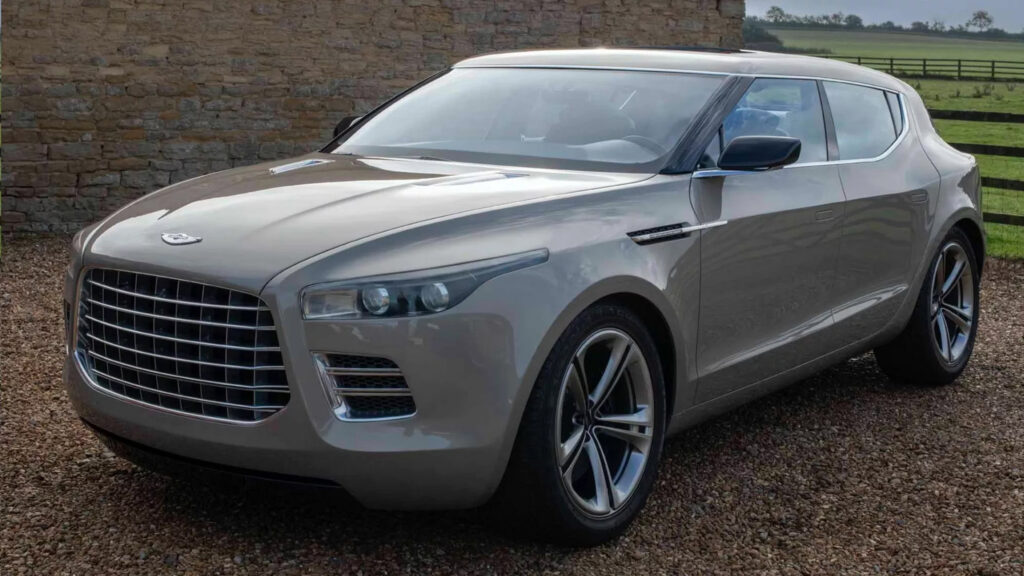
Planen var at sætte de første biler i produktion i 2012. I december 2008, besluttede Aston Martin at nedskære arbejdsstyrken fra 1850 til 1250 på grund af den økonomiske nedgang.
De første fire-dørs Rapide grand tourer kørte ud af Magna Steyr fabrikken i Graz, Østrig i 2010. Den daværende CEO i firmaet, Ulrich Bez havde offentligt gjort sig tanker om at uddelegere al Aston Martin arbejdet, med undtagelse af marketing. I september 2011 blev det bekendtgjort at produktionen af Rapide ville vende tilbage til Gaydon i anden halvdel af 2012, så al Aston Martins bilproduktion foregik her.
Det italienske private investerings selskab Investindustrial underskrev d. 6 december 2012 en aftale om at købe 37.5% af aktierne i Aston Martin, en investering til 150 mio pund. David Richards forlod Aston Martin i 2013, hvor han valgte at koncentrere sig om Prodrive.
I 2016 fandt Aston Martin en 36 ha grund i St Athan, South Wales til deres nye fabrik. På grunden var der 3 eksisterende ‘super-hangarer’ fra MOD St Athan. Byggearbejdet med at omdanne disse hangarer begyndte i April 2017. Aston Martin fik igen overskud i 2017 efter at have solgt over 5000 biler. Firmaet lavede et overskud på 87 mio pund, før skat, sammenlignet med et underskud på 163 mio pund i 2016. 2017 var også året, hvor produktion vendte tilbage til Newport Pagnell fabrikken 10 år efter den lukkede.
2013–nu: Partnerskab med Mercedes-Benz Group
I December 2013 underskrev Aston Martin en aftale med Mercedes-Benz Group (der på dette tidspunkt var kendt som Daimler) om af forsyne næste generation Aston Martin biler med Mercedes-AMG motorer. Mercedes-AMG leverede også det elektriske system. Til gengæld for dette fik Mercedes en 5% andel i Aston Martin og en plads, uden stemmeret, I bestyrelsen. Den første model med Mercedes-Benz teknologi var DB11, der debuterede ved det 86. Geneva Motor Show i marts 2016. Denne model havde Mercedes-Benz elektronik i entertainment, navigation og andre systemer. Det var også den første model med Mercedes-AMG V8 motor. I oktober 2020 bekræftede Mercedes at de ville øge deres andel i Aston Martin fra 5% til 20%. Til gengæld vil Aston Martin have adgang til Mercedes-Benz hybrid og elektrisk teknologi til deres fremtidige modeller.
2018–nu: Aston Martin kommer på London børsen
August 2018 kommer Aston Martin på London børsen som Aston Martin Lagonda Global Holdings plc. Samme år åbner Aston Martin et nyt test og udviklings center på Silverstone’s Stowe Circuit samtidigt med et nyt hovedkvarter i London. I juni 2019 åbner de deres nye 36 ha fabrik i St Athan, hvor de producerer deres første SUV, nemlig DBX. Fabrikken står færdig bygget og åbner officielt d. 6 december 2019. Da den fulde produktion begynder i anden halvdel af 2020, er der omkring 600 ansatte, det tal stiger til 750 da de når den fulde produktion.
Den 31 januar 2020 annonceres det at den canadiske miliadær og investor Lawrence Stroll leder et konsortium, Yew Tree Overseas Limited, der mod en betaling på 182 mio pund, får en andel på 16.7% i Aston Martin. Stroll bliver også bestyrelsesformand, han afløser Penny Hughes. Den schweisiske apoteker magnat Ernesto Bertarelli og Mercedes-AMG Petronas F1 team leder og CEO Toto Wolff bliver også en del after konsortiet, hvor de køber henholdvis 3.4% og 4.8% andele. Marts 2020 øger Stroll sin andel til 25%.
I juli 2022, køber Saudi Arabien’s Public Investment Fund (PIF) en andel på 16.7% i Aston Martin. I september 2022 køber den kinesiske bilproducent Geely en 7.6% andel I firmaet. December 2022 øger Stroll og Yew Tree konsortiet deres andel til 28.29%. Maj 2023 øger Geely deres andel til 17%, de har herefter den tredje største andel.
Juni 2023 underskriver Aston Martin en aftale med Lucid Motors om at levere el-motorer, gearkasser og batteri systemer til deres kommende el-biler.
Aston Martin historien: Tidslinje
1913: Dannelsen af Aston Martin Legacy
- I 1913 starter Aston Martin som Bamford & Martin, da ejerne Robert Bambord og Lionel Martin danner et selskab, der producerer og sælger biler i London.
- Martin deltager i race på Aston Hill, det er herfra Aston Martin får den anden halvdel af sit navn, mens den anden halvdel er Lionel Martin’s efternavn.
1920-1922: Bamford forlader selskabet, Grand Prix Race begynder
- Robert Bamford, der var med til at danne Aston Martin, forlader selskabet i 1920.
- For at genoplive firmaet, indskyder den engelske racerkører Greve Louis Zborwski penge i firmaet.
- I 1922 producerer Bamford & Martin biler, der skal deltage i det Franske Grand Prix, hvor de ender med at sætte flere rekorder.
1924-1925: Financielle problemer & ny ejer
- Bamford & Martin gik konkurs i 1924 og blev opkøbt af Lady Charnwood, en baronesse.
- I 1925 måtte Lionel Martin sælge Bamford & Martin, investor Augustus “Bert” Bertelli overtog forretningen.
- Bamford & Martin ændrede officielt navn til Aston Martin Motors, fokus var nu på sports vogne.
1939: Anden Verdenskrig sætter en stopper for produktionen
- Aston Martin stoppede produktionen af køretøjer i 1939 på grund af anden verdenskrig, de begyndte isteret at producere fly dele til krigsmaskinen.
1947: Starten af Aston Martin Lagonda
- En traktor producent ved navn David Brown køber Aston Martin.
- Lagonda, en af de mest innovative bilproducenter på den tid, bliver opkøbt af Aston Martin.
1974: Flere financielle problemer
- På grund af en verdensomspændende økonomisk krise måtte Aston Martin lukke dørene til fabrikken ved slutningen af 1974.
1975: Genopstandelsen og nyt navn
- I april 1975 køber en forretningsmand, Peter Sprague, og andre investorer Aston Martin.
- Aston Martin fabrikken genåbner 6 måneder senere i september 1975.
- Aston Martin ændrer navn til Aston Martin Lagonda Limited.
1987-2006: Ford investerer i Aston Martin Lagonda Limited
- For at holde firmaet kørende, køber Ford en andel på 75% i Aston Martin Lagonda Limited i 1987.
- I 1993 køber Ford resten af firmaet.
- Ford interne revision i 2006, foreslår at de sælger enten Jaguar, Land Rover, Aston Martin eller Volvo. Ford vælger at sælge Aston Martin ved auktion.
2007-2018: Mercedes-Benz Partnerskab, ny ejer
- I marts 2007 bliver Aston Martin købt af Prodrive bestyrelsesformand David Richards.
- I 2013 danner Aston Martin partnerskab med Mercedes-Benz, der udstyrer fremtidige Aston Martin biler med Mercedes-AMG motorer. Dette partnerskab eksisterer stadig.
2018-nu: Aston Martin bliver børsnoteret
- I august 2018 bliver Aston Martin børsnoteret på London børsen som Aston Martin Lagonda Global Holdings.