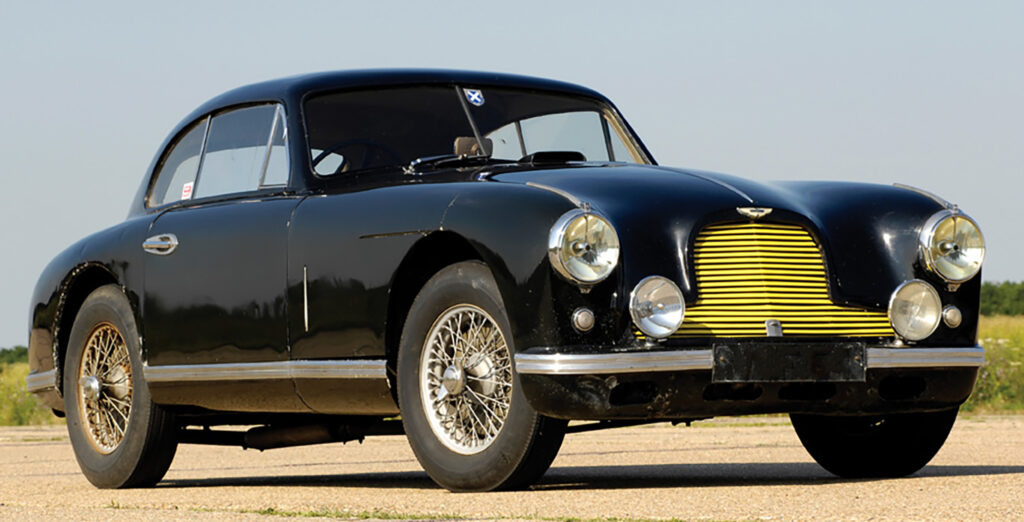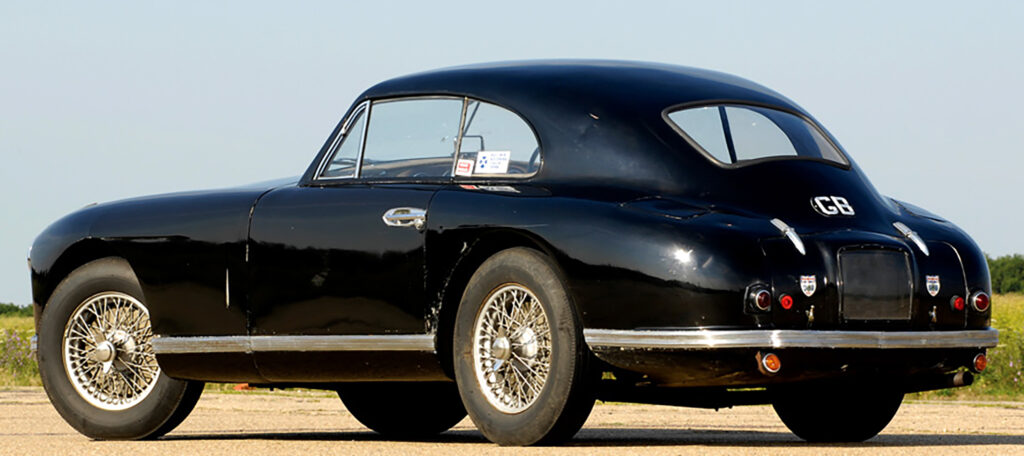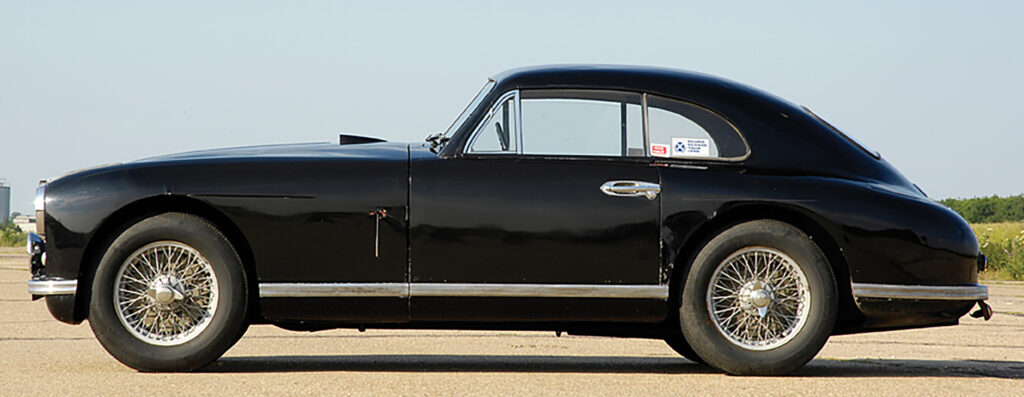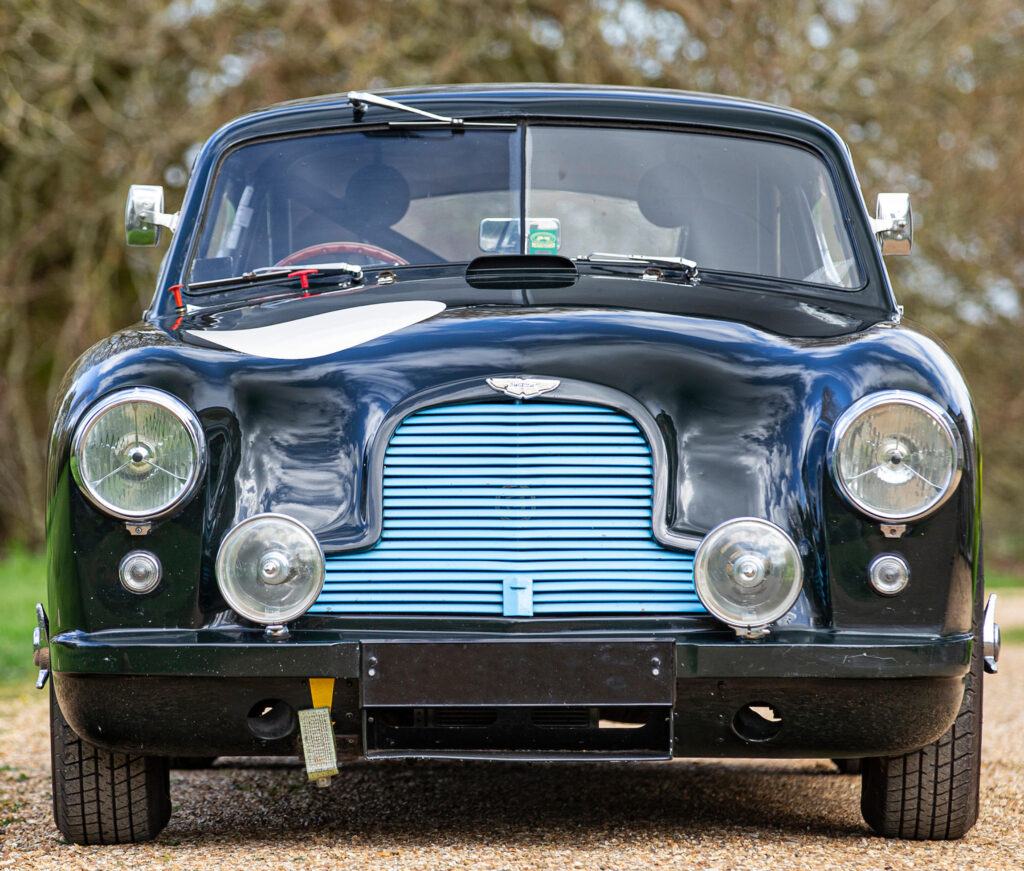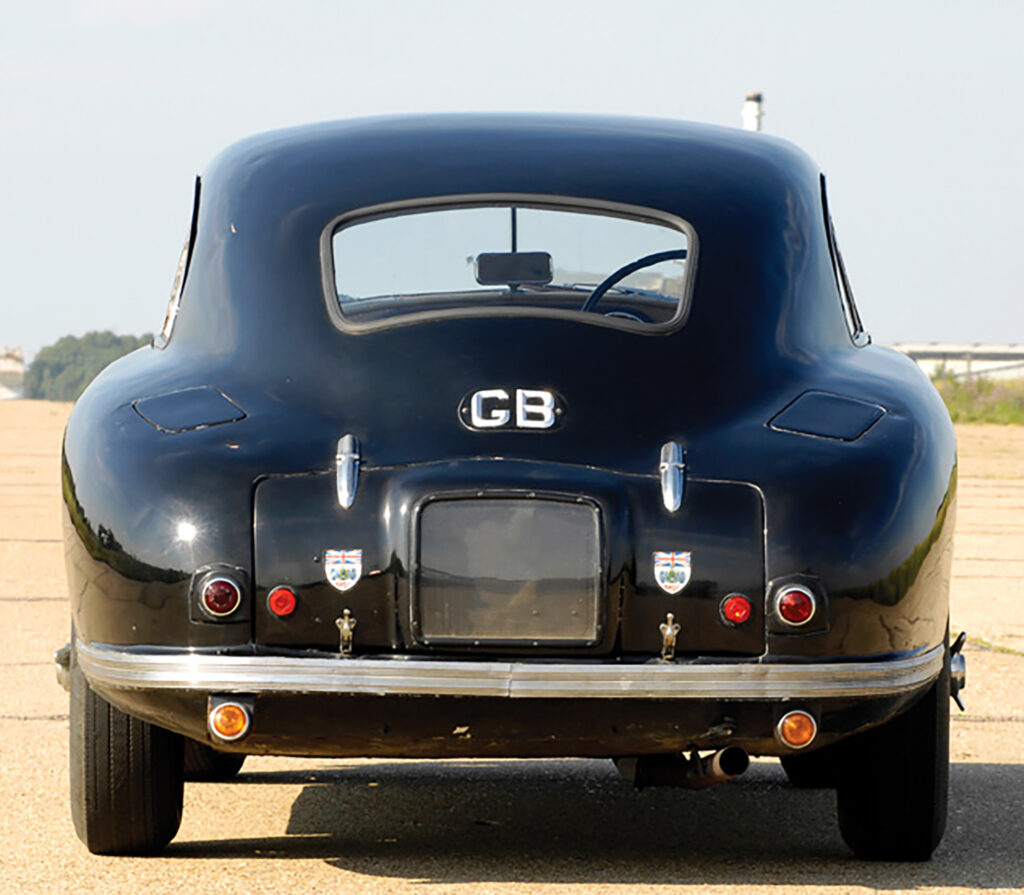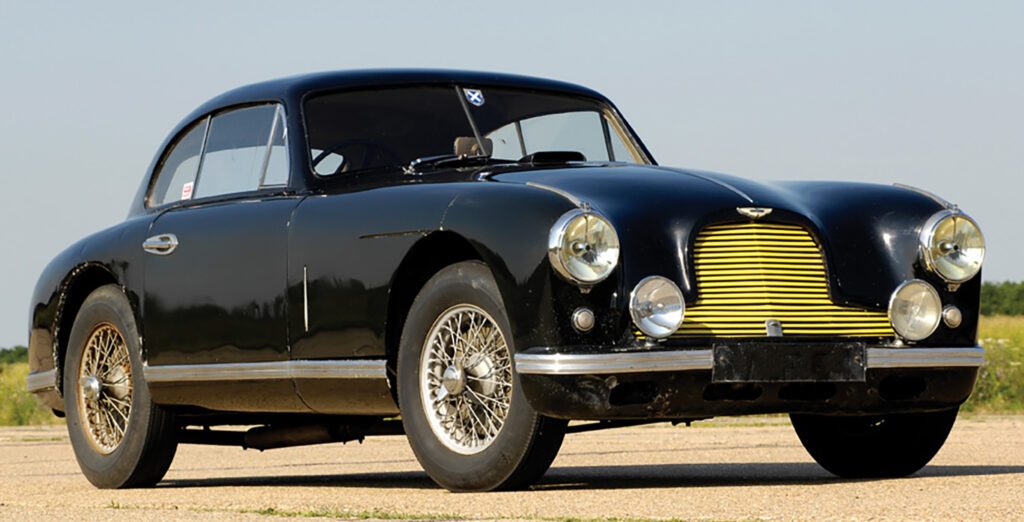
Efter succesen med Aston Martins DB2-prototyper ved Le Mans i 1949 blev nogle af de første produktions-DB2’er ombygget til racerbiler på fabrikken. Kaldet ’Team Cars’ blev de gjort lettere og havde en højere ydeevne. De vandt begivenheder som Mille Miglia og Le Mans og var også ganske succesfulde.
I 1950 blev tre af de allerførste DB2’er gjort klar til 24-timersløbet i Le Mans. Licenseret VMF 63, VMF 64 og VMF 65, havde disse den tredelte frontgrill og adskillige andre detaljer fra den tidlige produktion. John Wyer blev ansat af David Brown og begyndte sin karriere som en succesfuld racermanager med DB2’en. Han ansatte kørere som Eric Thompson og Jack Fairman. Sidstnævnte udførte omfattende test på MIRA. Han beskriver scenen “Der blev udført en enorm mængde intensiv testning, og det var en god introduktion til John Wyers minutiøse metoder, som senere gjorde Astons så succesfulde.”
Kørt af George Abecassis og Lance Macklin, opnåede VMF 64 en samlet femteplads ved Le Mans. Med en gennemsnitshastighed på 140 km/t vandt den klasse-sejren foran Delage D6-3L. Resten af sæsonen blev bilerne brugt ved begivenheder som Silverstone, Ulster TT og Shelsey Walsh Hillclimb. Imens blev der på fabrikken gjort klar til den officielle lancering af DB2 på London Motor Show i oktober.
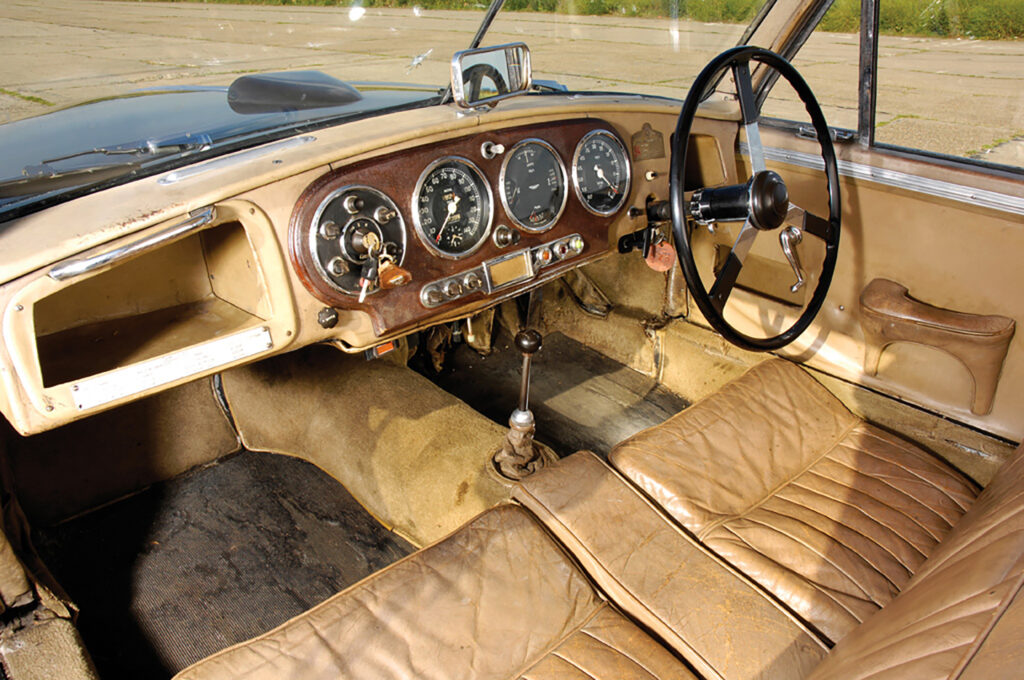
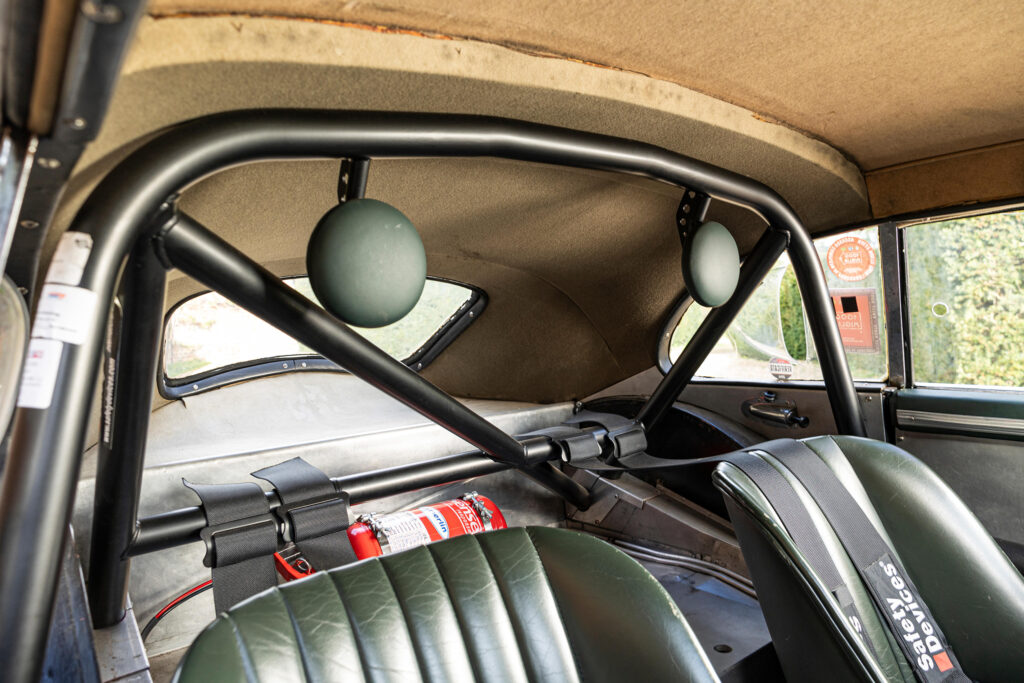
I 1951 blev fabriksbilernes hold sendt tilbage til eksperimentalafdelingen og opgraderet af Robert Eberan-Eberhorst. På grund af mangel på tid kunne den helt nye DB3 ikke fremstilles, så i stedet blev DB2’erne gennemgået omfattende modifikationer, herunder 1951-aluminiumsgitteret. “Passende skridt blev taget inden for rammerne af reglerne for at fjerne unødvendig vægt. Motorhjelmen fik en af de nye letmetal-kølergriller, interiørets polstring og loftbeklædning blev fjernet, og meget lette sæder blev installeret.” Sammen med de tre biler fra 1950 blev to nye biler lavet (XMC76 & XMC77), som havde lettere karrosserier i 18-gauge aluminium og formodes at veje 200 kg mindre end 1950-modellen.
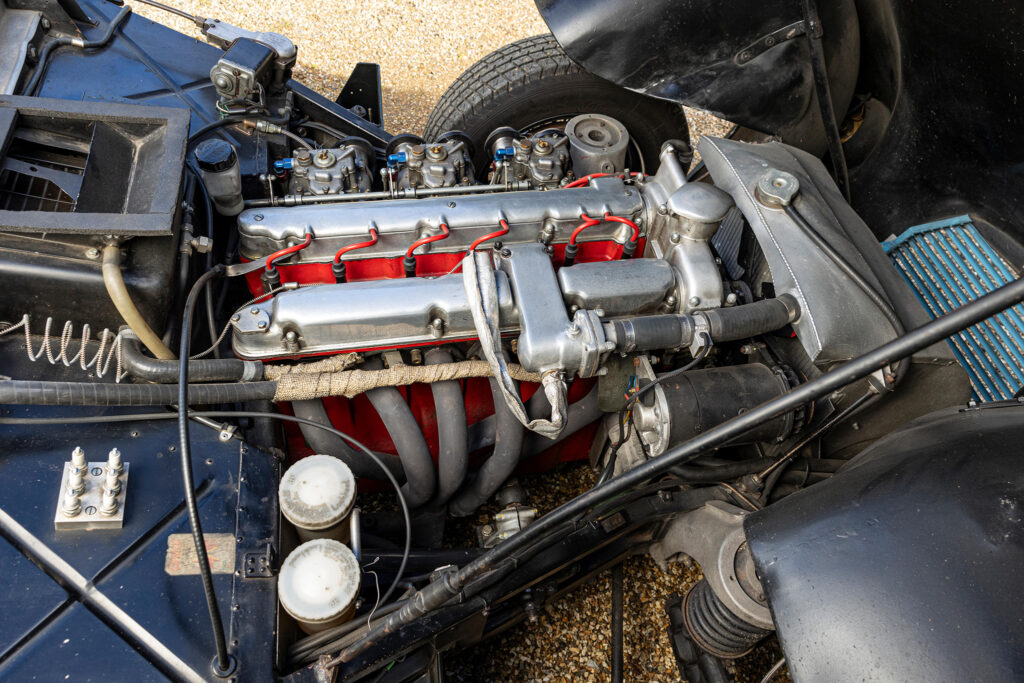
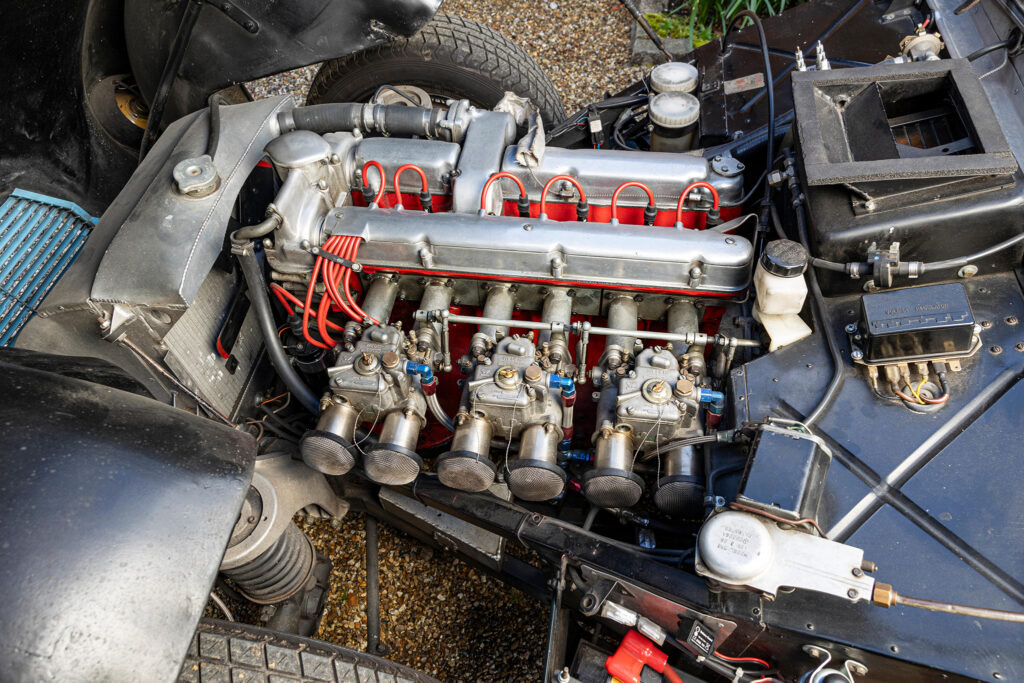
Motoren blev opgraderet til at bruge et højere kompressionsforhold på 8,16:1. Kombineret med en længere bagaksel på 3,27:1 var DB2 bedre egnet til Mulsanne-langsiden.
Ved Le Mans vandt den allerede berømte bil, VMF 64, endnu en gang sin klasse kørt af Lance Macklin og Eric Thompson. Den opnåede tredjepladsen samlet med en gennemsnitshastighed på 145 km/t. T.H. Wisdom førte VMF 64 til endnu en klassesejr ved Mille Miglia i 2-liters produktionsklassen. Dette blev gentaget året efter med en samlet 12. plads og en gennemsnitshastighed på 116 km/t. Med disse nøgle sejre blev VMF 64 en af de mest succesfulde Aston Martins.
I 1952 fortsatte Aston Martin med at køre de letvægtsbiler i løb og solgte de resterende biler til private teams, som fortsatte med DB2. I 1953 blev fabrikkens DB2 erstattet af DB3 roadsteren.
| Type | Racerbil |
| Produktionsår | 1950 – 1951 |
| Produktion | 5 |
| Motor | Række-6 langsliggende foran. DOHC med 2 ventiler/cyl |
| Benzin tilførsel | 3 dobbelte SU karburatorer |
| Volumen | 2580 cm³ |
| Boring | 78 mm |
| Slaglængde | 90 mm |
| Kompression | 8,16:1 |
| Karosseri/chassis | Aluminium karosseri på stål chassis |
| Forbremser | Ferodo & Wellworthy tromler |
| Bagbremser | Ferodo & Wellworthy tromler |
| Gearkasse | 6-trins manuel |