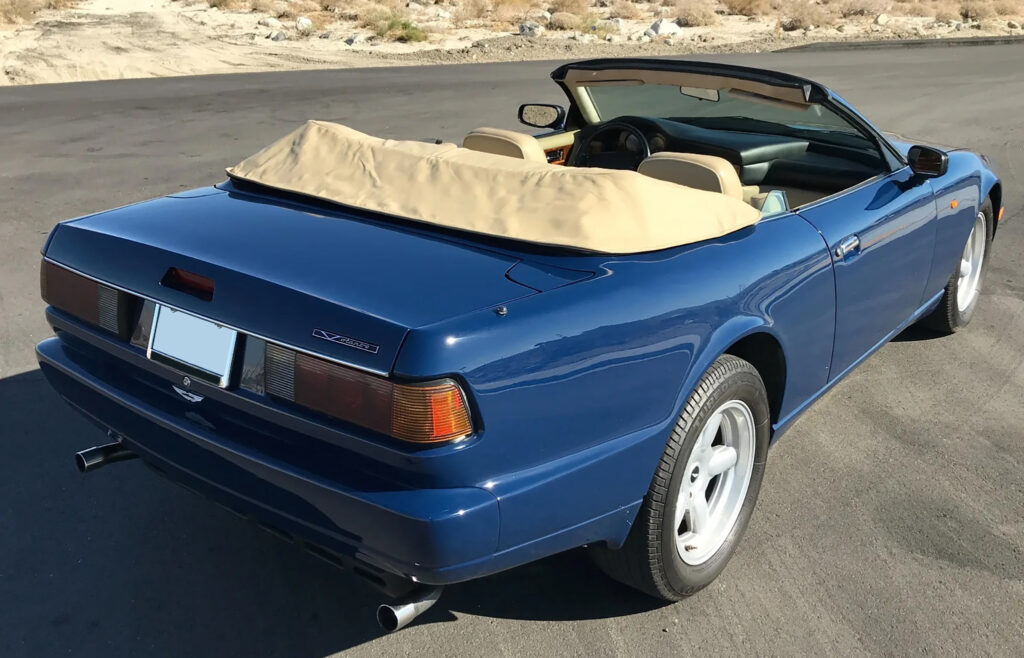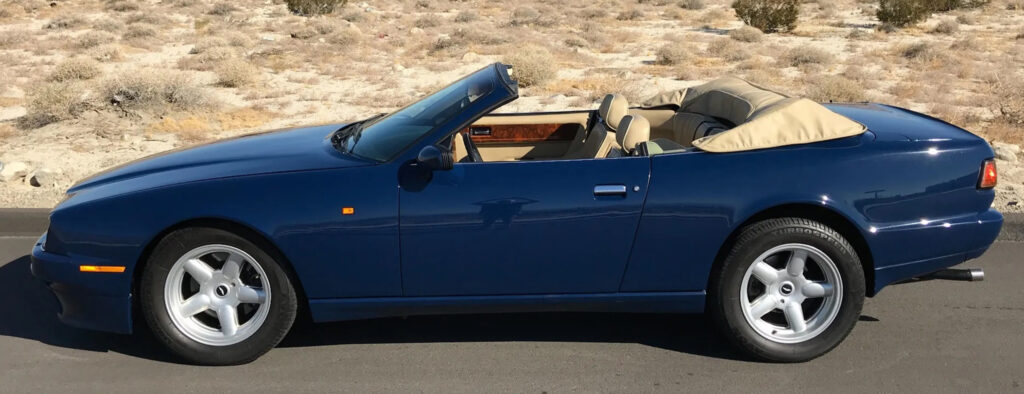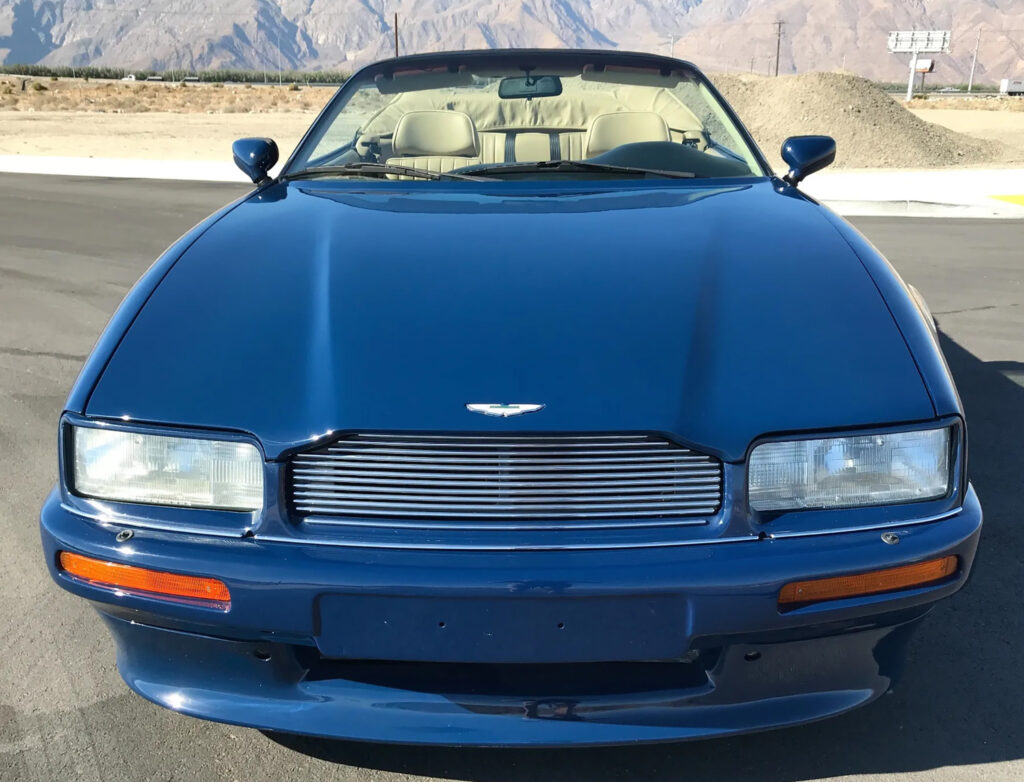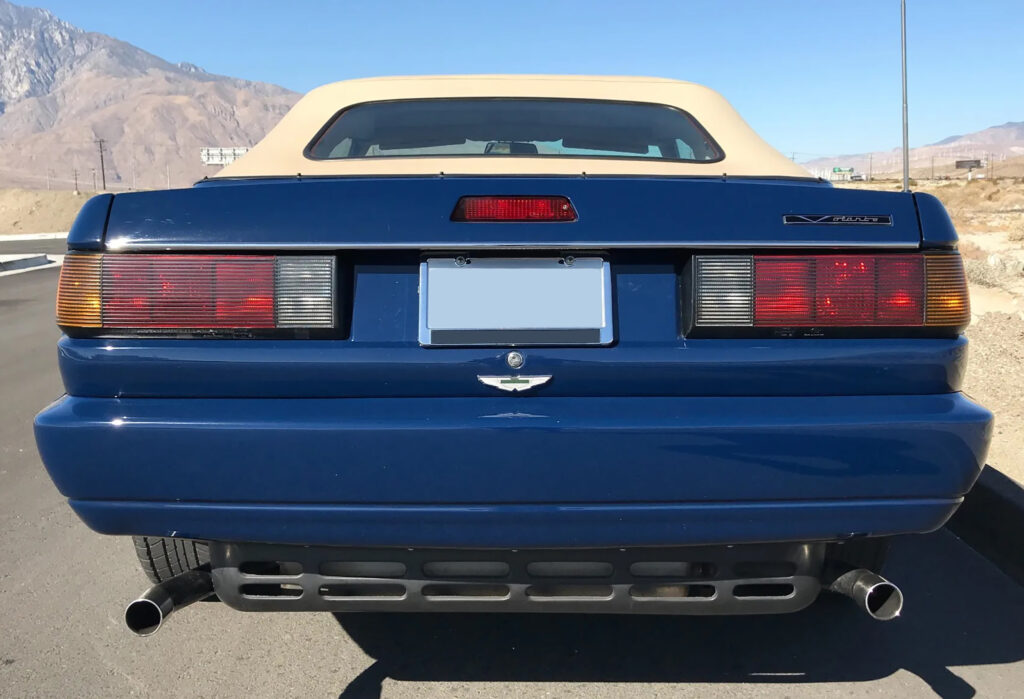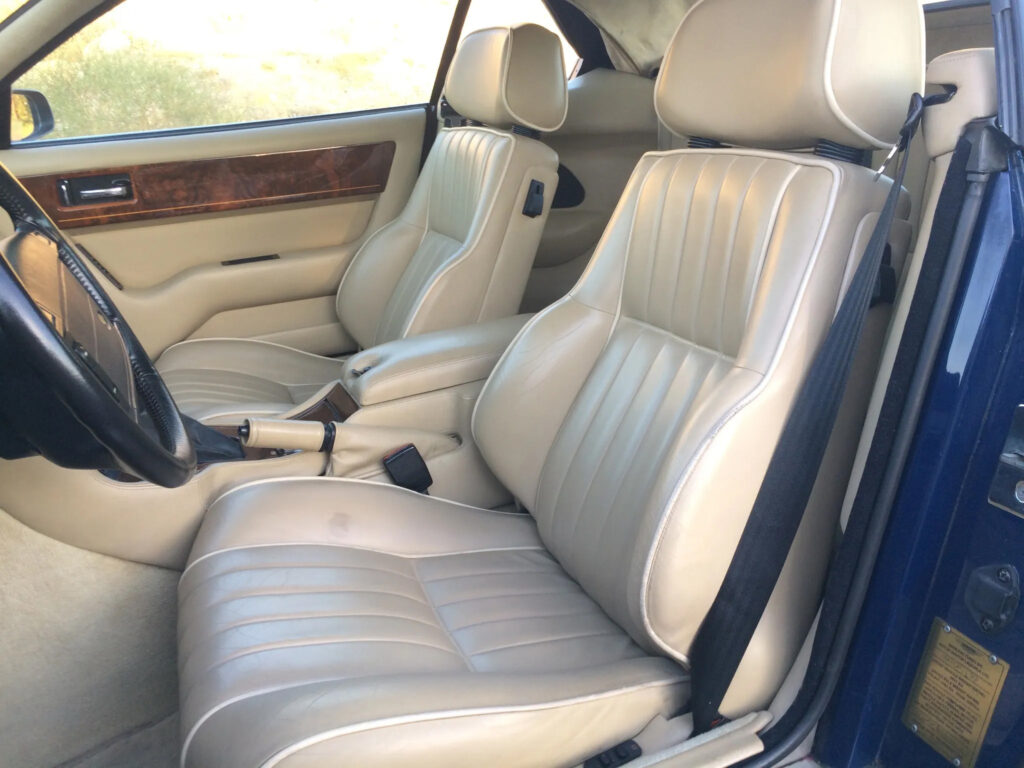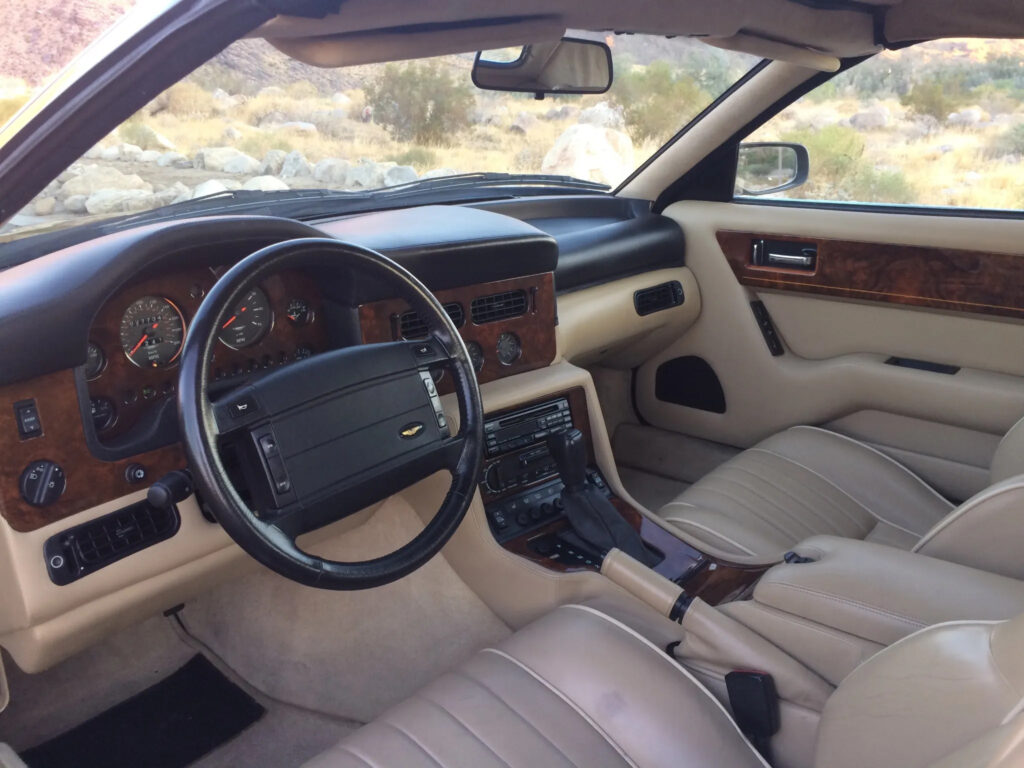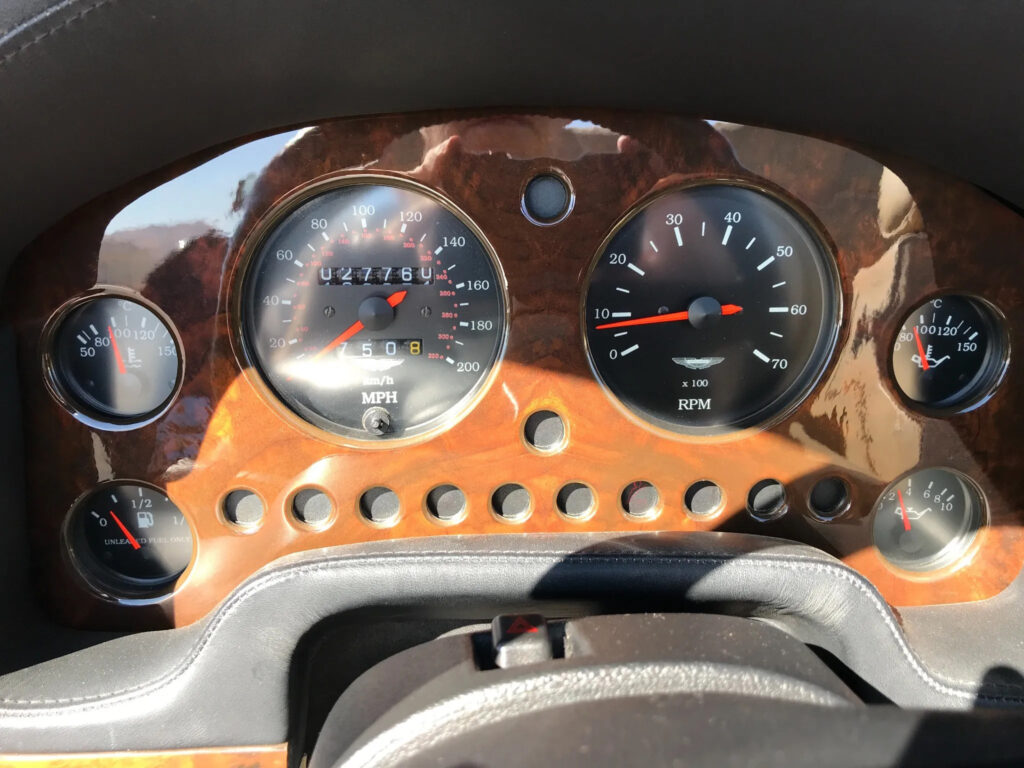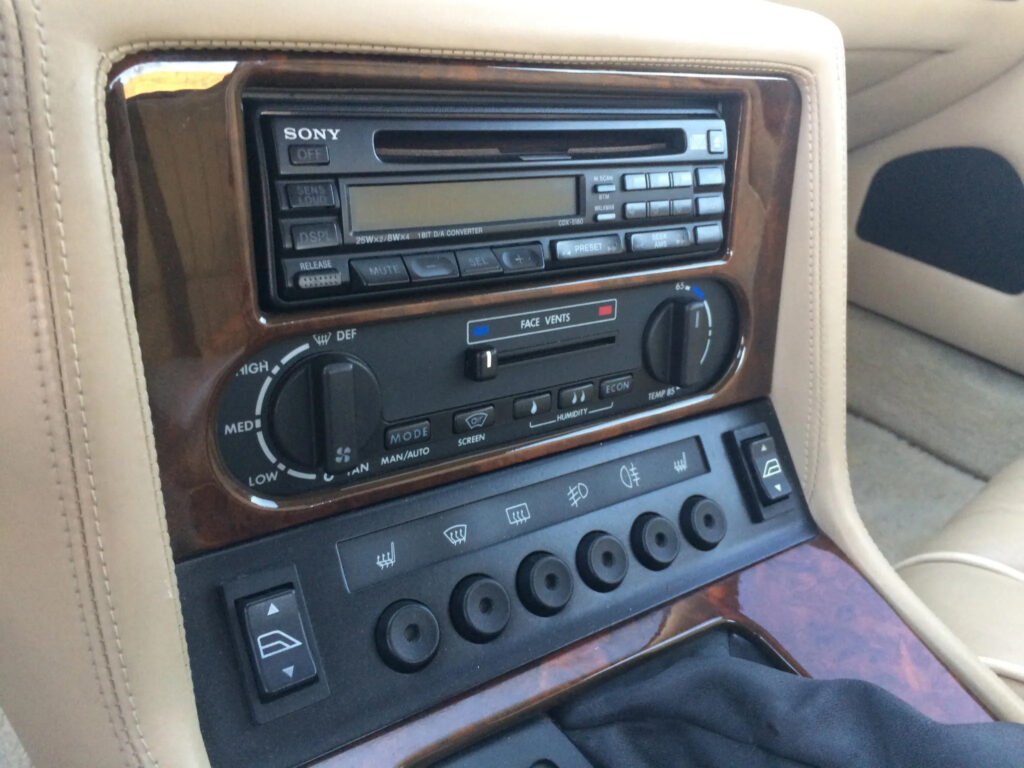
På Birmingham Motor Show i 1988 afslørede Aston Martin den længe ventede afløser for V8’eren, som havde været i produktion i næsten to årtier. Den nye model, kaldet Virage, bevarede alle de velkendte elementer fra V8’eren, men var yderligere forfinet og præsenteret i en moderne udgave, der så ud til at føre den britiske producent ind i 1990’erne.
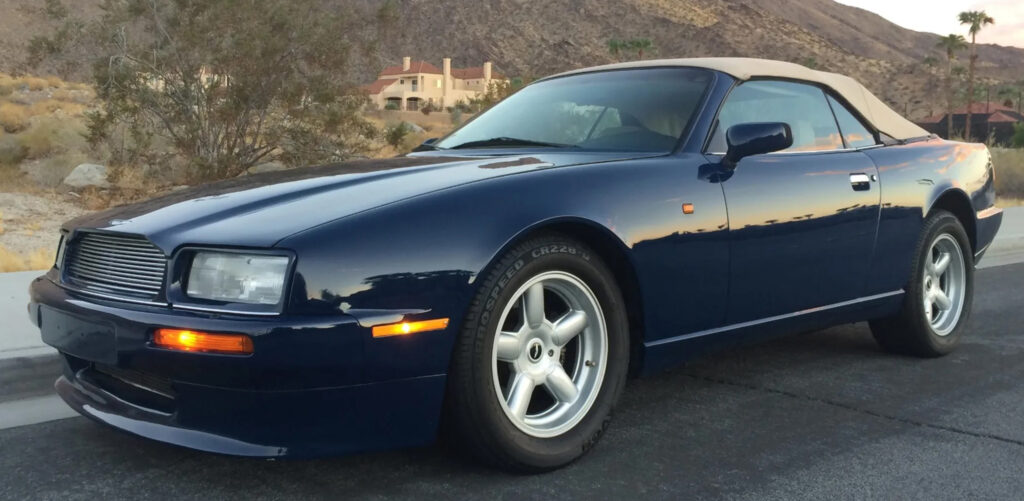
Til designet af Virage åbnede Aston Martin en konkurrence. Blandt flere bemærkelsesværdige rivaler blev det britiske designteam John Hefferman og Ken Greeleys arbejde valgt. Deres design havde markante, firkantede forlygter og baglygter, mens en subtil version af den velkendte Aston Martin-grill blev brugt. Linjerne var glattere end på den tidligere V8, men stadig enkle og elegante.
Ligesom tidligere var karrosseriet fremstillet i aluminium og monteret på en stålsubstruktur i en klassisk karrosseribygget stil. Denne struktur var monteret på et stålrammechassis. Ligesom V8’eren havde Virage dobbelte tværleddet affjedring foran, mens bagenden var udstyret med en velafprøvet DeDion bagaksel. Store ventilerede skivebremser var monteret på alle fire hjørner.
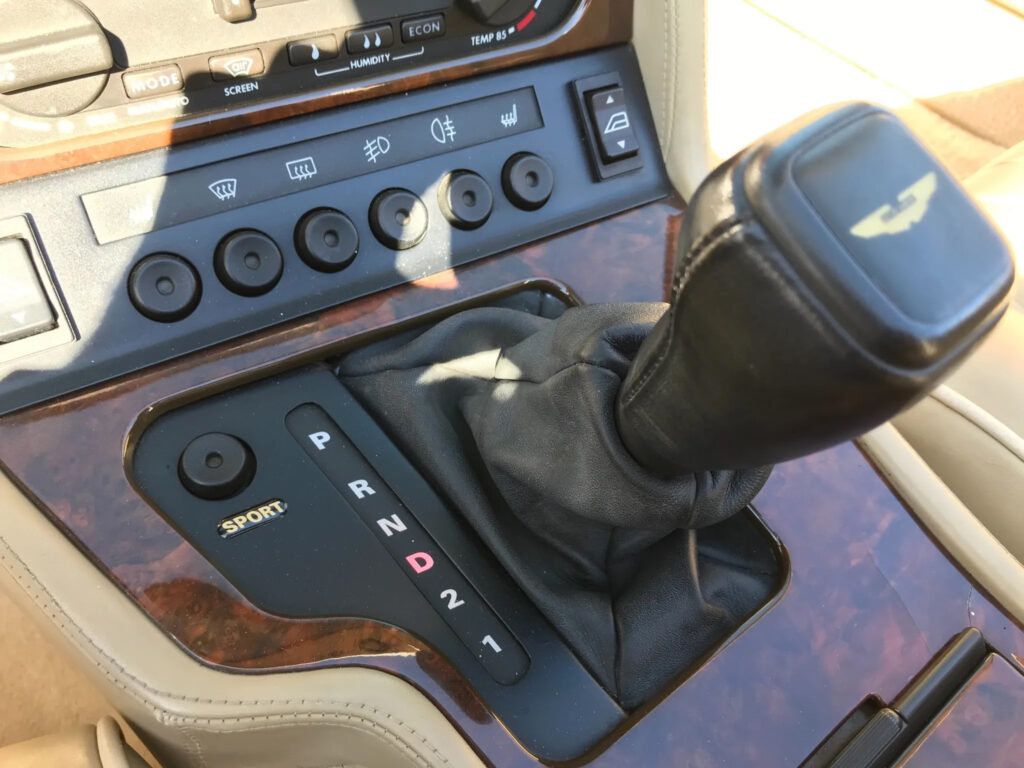
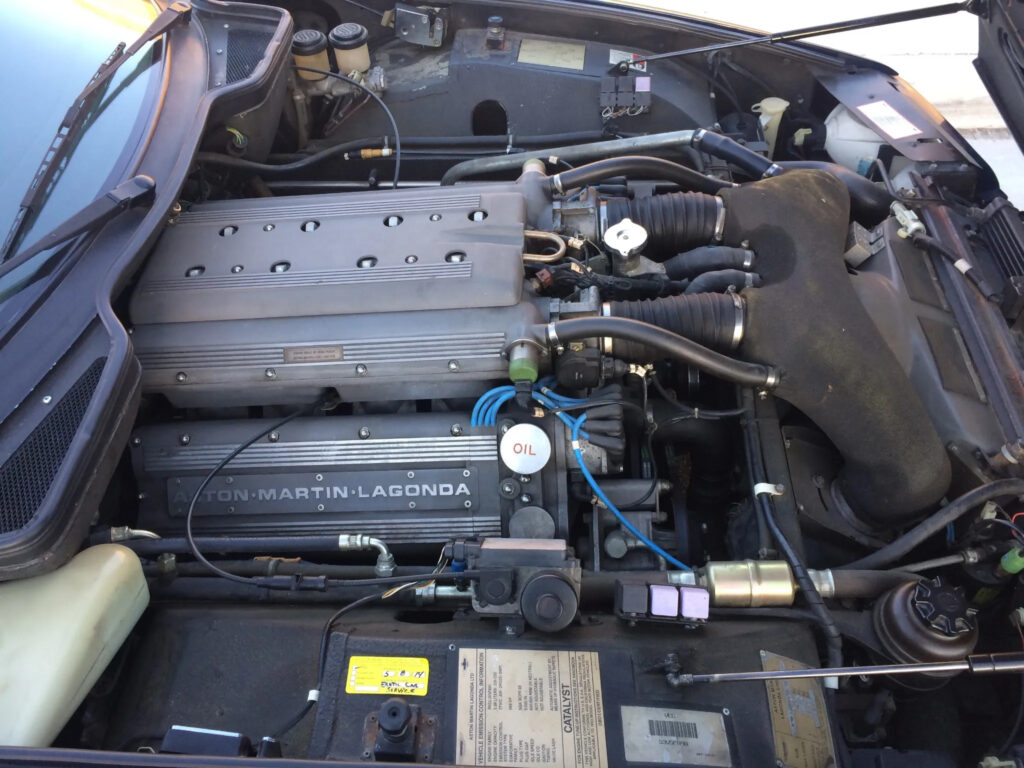
Selvom 5,3-liters motoren blev bevaret, blev V8-motoren grundigt omarbejdet. Den blev udstyret med fireventils topstykker, udviklet sammen med Reeves Callaway. En anden nyhed var Weber-brændstofindsprøjtningssystemet. Som resultat leverede den brølende V8 nu 330 hk og afgørende tæt på 500 Nm drejningsmoment. Aston Martin tilbød enten en femtrins manuel gearkasse eller en Chrysler 3-trins automatgearkasse. På trods af den høje pris blev ordrebøgerne hurtigt fyldt, da det var den første helt nye Aston Martin i to årtier. Som håndbygget bil kunne Virage bygges efter kundens ønsker. I 1992 blev Works Service-udgaven tilføjet, som inkluderede en 6,3-liters version af motoren, endnu større bremser og bredere karrosseri. Hver af disse opgraderinger kunne naturligvis også vælges enkeltvis. En kompressorudgave af Vantage sluttede sig også til programmet i 1992.
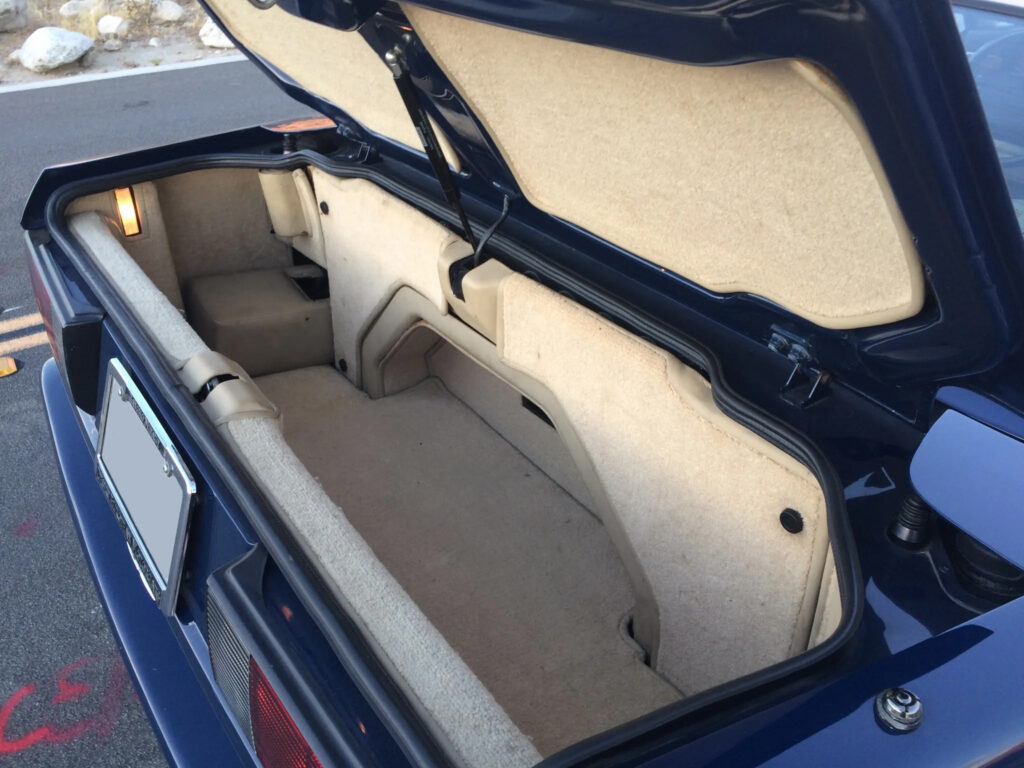
To år efter Virages lancering var Aston Martin tilbage i Birmingham for at vise den første version af ‘Volante’ cabrioleten. Den oprindelige prototype var en tosæde model, men ved Geneve Motor Show i begyndelsen af 1991 havde den produktionsklare Volante en 2+2 sædekonfiguration. Ligesom coupéen kunne Virage Volante også specificeres med Works Service-pakken, mens en speciel Wide Body med 5,3-liters motor blev skabt til det nordamerikanske marked, hvor 6,3-liters motoren endnu ikke var godkendt.
I midten af 1990’erne blev Virage-navnet droppet, og bilen blev blot kaldt V8. Sammen med navneændringen blev designet forfinet med glattere forlygter og to runde baglygter som de mest åbenlyse ændringer. Effekten af dens ‘standard’ 5,3-liters motor blev også øget til 350 hk og et fuldt 500 Nm drejningsmoment.
Virage og den efterfølgende V8 blev produceret frem til år 2000, hvor der blev bygget 1.050 eksemplarer af alle versioner. Modellen blev afløst af den V12-motoriserede Vanquish, hvilket markerede afslutningen på en æra, og Virage/V8 forbliver som den sidste af de håndbyggede Aston Martin-biler.
| Type | Serie Produktion |
| Produktionsår | 1989 – 2000 |
| Produktion | 1050 |
| Motor | 90° V-8 langsliggende foran. DOHC med 4 ventiler/cyl |
| Benzin tilførsel | Indsprøjtning |
| Volumen | 6347 cm³ |
| Effekt | 373 kw / 500 hk ved 6000 o/min |
| Moment | 651 Nm ved 5800 o/min |
| Karosseri/chassis | Aluminium karosseri på stål chassis |
| Forbremser | Skiver |
| Bagbremser | Skiver |
| Styring | Tandstang |
| Affjedring for | Wishbones med hydrauliske støddæmpere med spiralfjedre |
| Affjedring bag | de Dion aksler med hydrauliske støddæmpere med spiralfjedre |
| Vægt | 2000 kg |
| Akselafstand | 2610 mm |
| Sporvidde for | 1510 mm |
| Sporvidde bag | 1522 mm |
| Længde | 4745 mm |
| Bredde | 1858 mm |
| Højde | 1400 mm |
| Gearkasse | 5-trins manuel eller 3-trins automatisk |
| Tank | 95 Liter |
| 0-100 km/t | 5,5 sek |
| Top hastighed | 282 km/t |