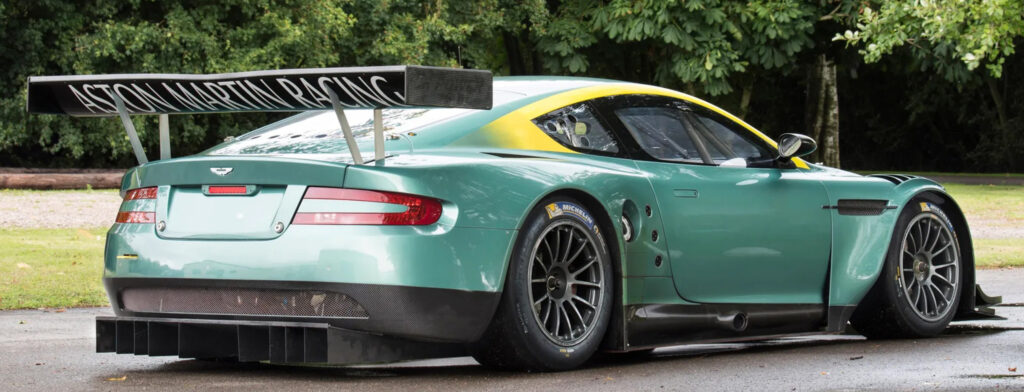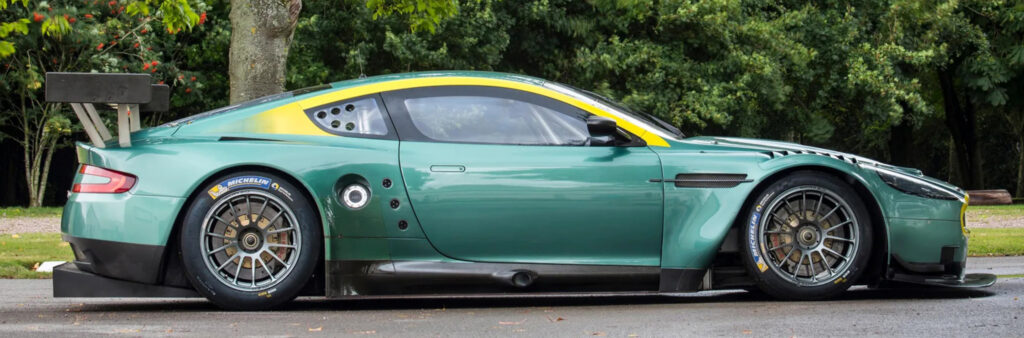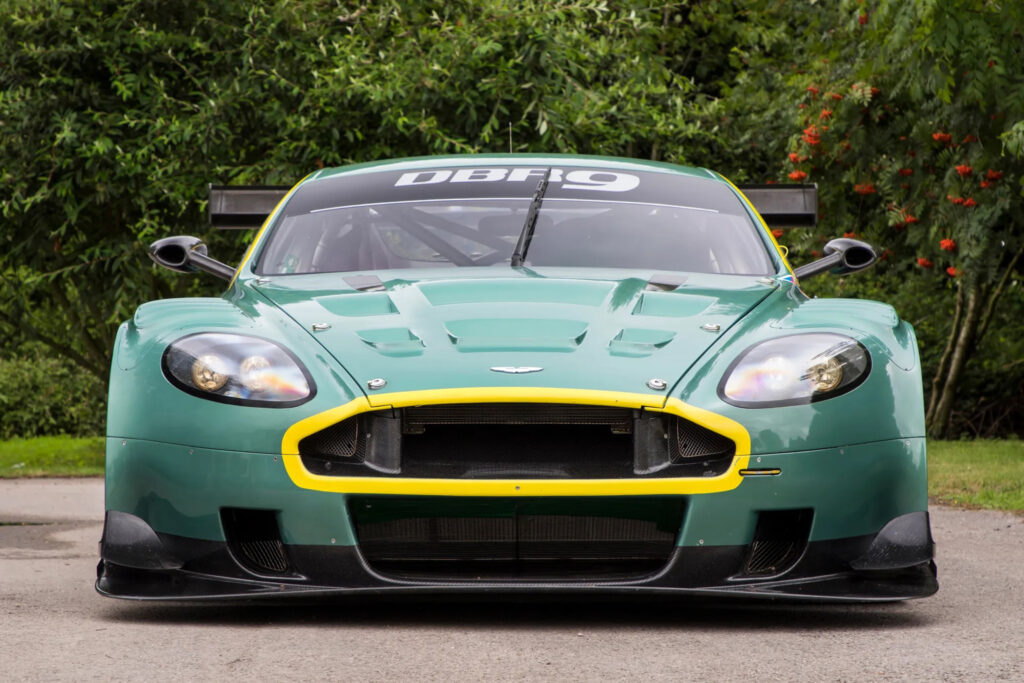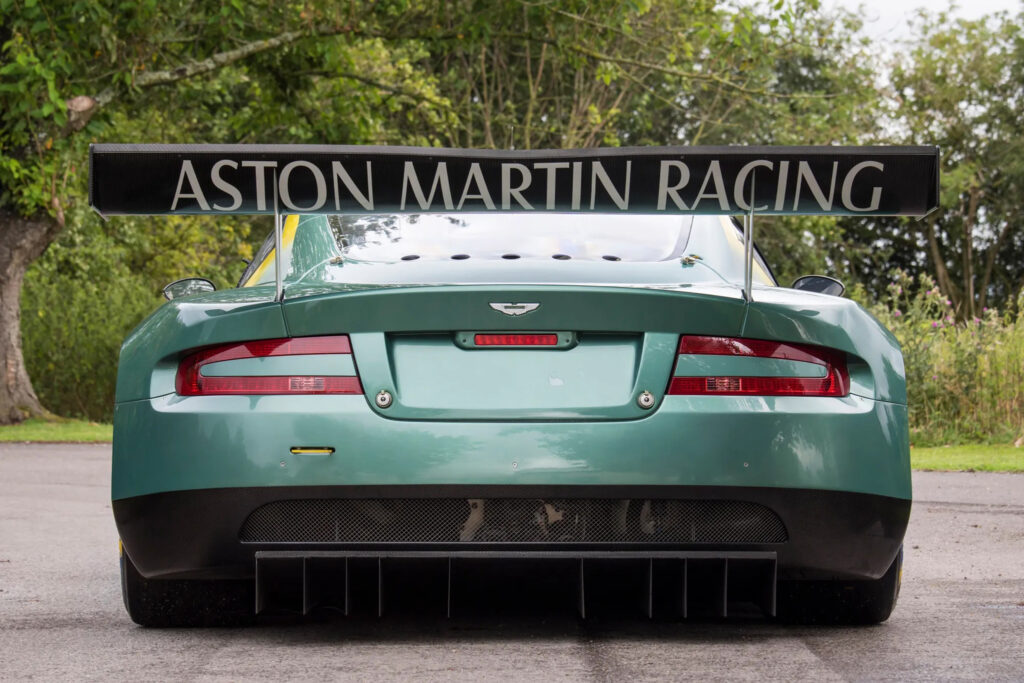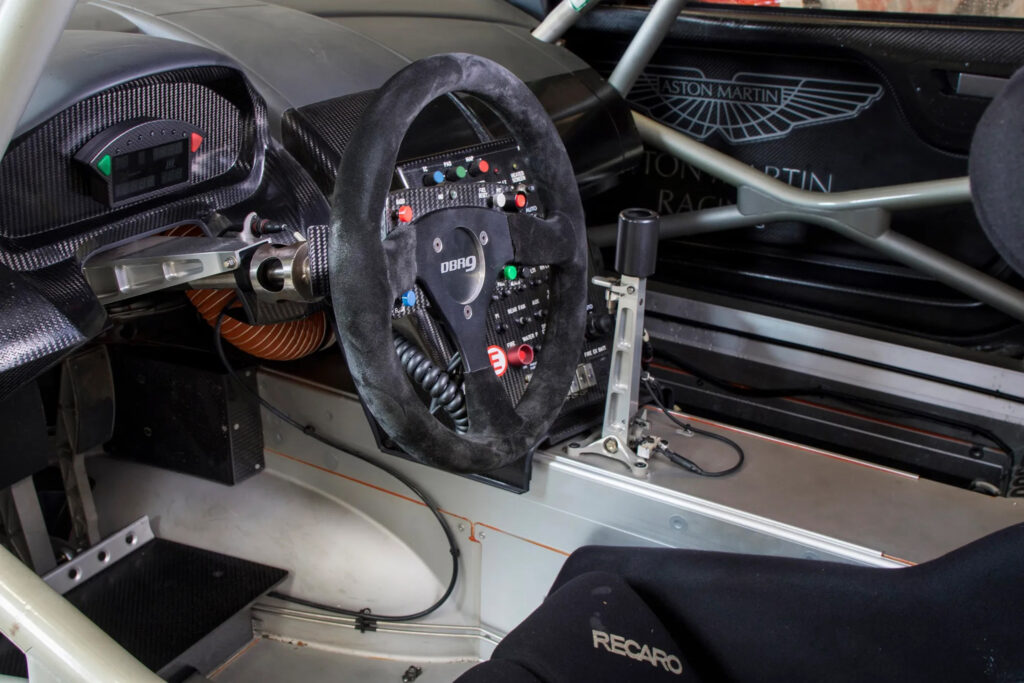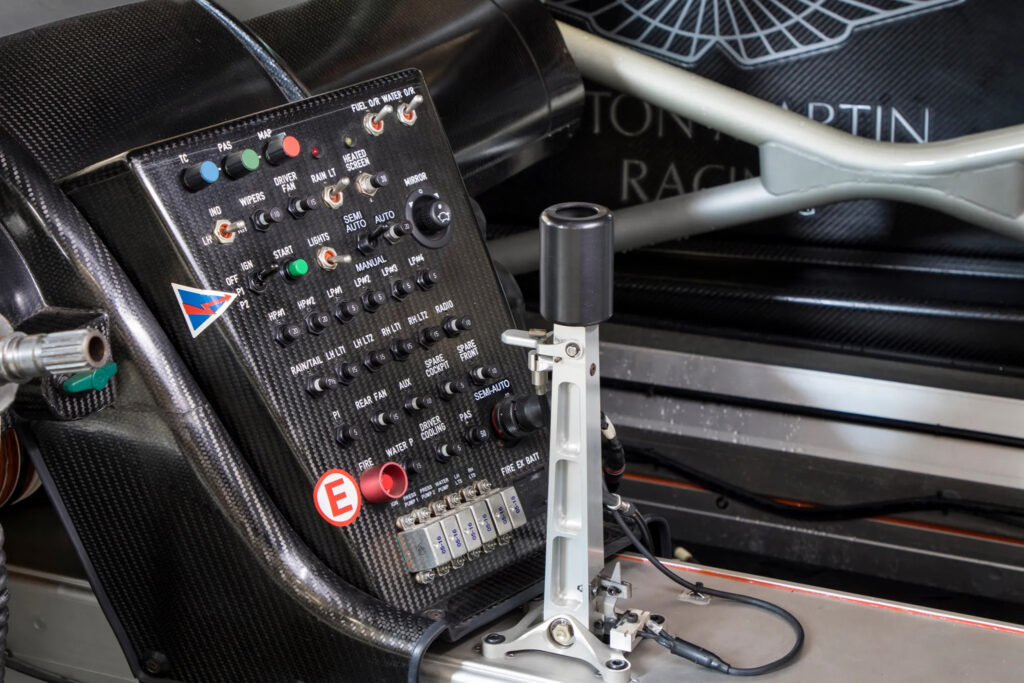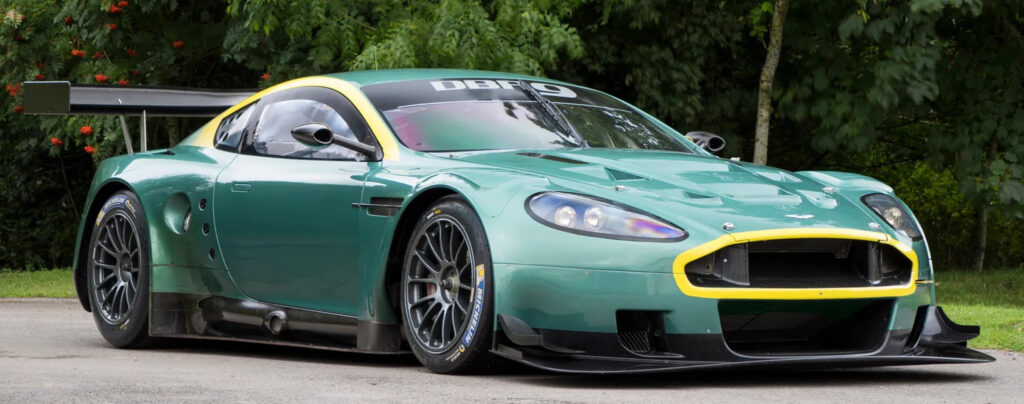
Aston Martin vender tilbage til international motorsport i 2005 med DBR9. Bilen blev vist for et udvalgt publikum for første gang den 4. november 2004 på Aston Martins hovedkvarter i Gaydon, Storbritannien. Et intensivt testprogram fulgte derefter inden DBR9’s debutløb, der var planlagt til 12-timers løbet i Sebring, Florida, i marts 2005.
Aston Martin Racing vil stille med to biler ved Sebring og derefter tage til Europa for at forberede sig til Le Mans 24-timers løbet i juni 2005. Dette markerer Aston Martins tilbagevenden til løbet, som blev vundet samlet i 1959 af Roy Salvadori og Carroll Shelby. Som en hyldest til dette vil DBR9 følge i fodsporene på den Le Mans-vindende DBR1 og Works DB3S og bære samme grønne og gule farveskema som bilerne, der dominerede sportsvognsræs i slutningen af 1950’erne.
En ny afdeling kaldet Aston Martin Racing er blevet oprettet i et partnerskab med Prodrive, en af verdens førende specialister inden for motorsport og bilteknologi. Prodrive vil være ansvarlig for Aston Martin Racings globale aktiviteter og vil spille en central rolle i planerne om at få et konkurrencedygtigt Aston Martin-program tilbage i verdensmesterskabet for sportsvogne.
Aston Martin Racing vil bygge 12 fabriksbiler, som vil blive kørt af tre fabriks teams i de store internationale GT-serier. Der vil også blive produceret en begrænset serie på kun 20 racerbiler, forberedt efter samme specifikation, som vil blive gjort tilgængelige for udvalgte kunder til at køre eller opbevare i private samlinger.
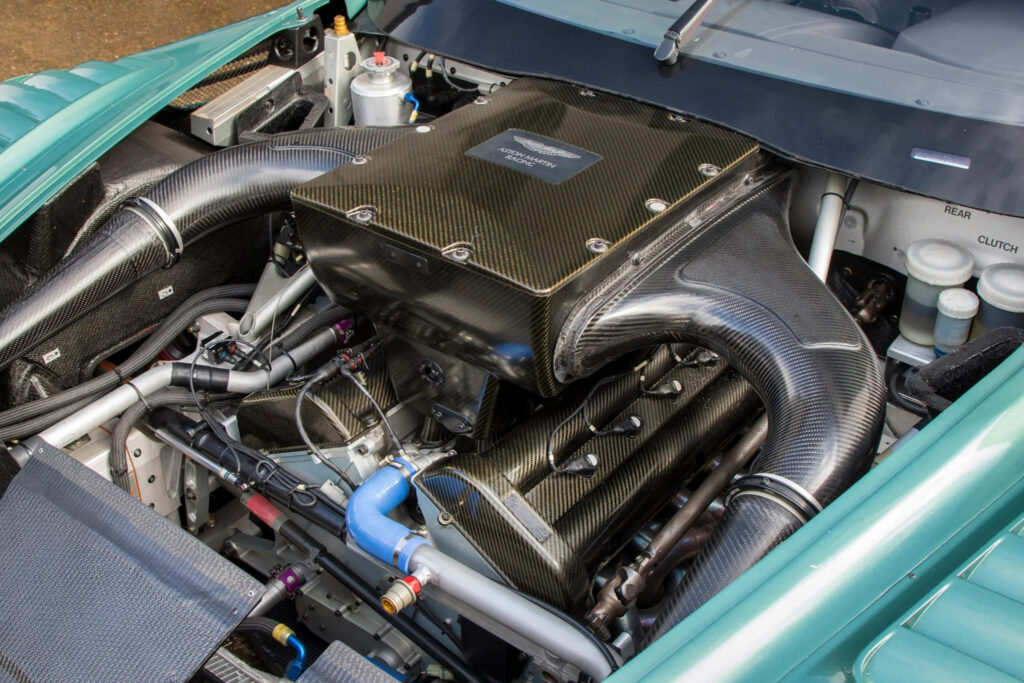
DBR9 GT racerbilen er baseret på den seneste Aston Martin produktionssportsvogn – DB9 – men er betydeligt modificeret til konkurrencebrug. DB9’ens sammensatte aluminiums-karrosseristruktur deles med DBR9 og giver begge en letvægts stiv chassis. Racer motoren bruger den samme aluminiumscylinderblok og top som DB9’ens 450 hk 6-liters V12 motor, men med racingmodifikation forventes den at producere omkring 600 hk.
DB9’ens dobbelte wishbone-affjedringskonfiguration er bevaret på DBR9, men har opgraderede komponenter og en revideret geometri til racerkørsel. Formel 1-stil kulfiberbremser er monteret foran og bagpå, og en konkurrence seks-trins sekventiel gearkasse er placeret ved bagakslen.
DBR9 blev designet af Aston Martin Racings eget designteam, som i høj grad brugte Computational Fluid Dynamics til at optimere aerodynamikken, inden den endelige karrosserioverflade blev produceret. Panelerne er håndlavede af kulfiberkomposit, hvilket hjælper bilen med at opfylde minimumsvægten på 1.100 kg og giver den et effekt-til-vægt-forhold på 550 hk pr. ton – mere end dobbelt så meget som vejversionen.
| Type | Racer bil |
| Produktion | 32 |
| Motor | 60º V12, langsliggende foran. DOHC med 4 ventiler/cyl. |
| Benzintilførsel | Magneti Marelli sekventiel indsprøjtning |
| Volumen | 5935 cm³ |
| Boring | 89 mm |
| Slaglængde | 79.5 mm |
| Kompression | 10,3:1 |
| Effekt | 447.4 kW / 600 hk ved 6500 o/min |
| Moment | 650 Nm ved 5500 o/min |
| Karosseri / Chassis | Kulfiber karosseri på limet Aluminium chassis |
| Forbremser | Brembo kulfiber skiver med 6-stemplede Brembo calipere |
| Bagbremser | Brembo kulfiber skiver med 6-stemplede Brembo calipere |
| Forhjul | 18 x 12.5″ |
| Baghjul | 18 x 13″ |
| Styring | Tandstang |
| Affjedring for | Dobbelte wishbones med Koni 2812 støddæmpere, Eibach fjedre |
| Affjedring bag | Dobbelte wishbones med Koni 2812 støddæmpere, Eibach fjedre |
| Vægt | 1170 kg |
| Akselafstand | 2741 mm |
| Længde | 4750 mm |
| Bredde | 1979 mm |
| Højde | 1194 mm |
| Gearkasse | 6-trins sekventiel |
| 0 – 100 km/t | 3,6 sek |