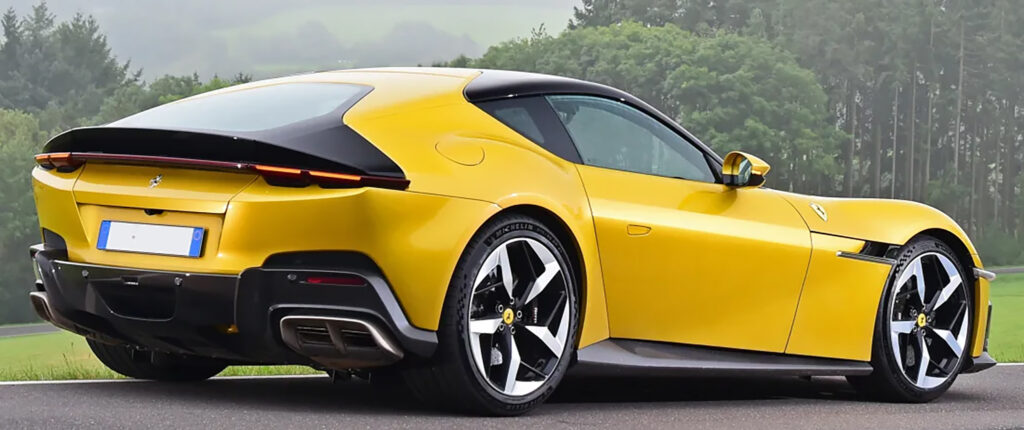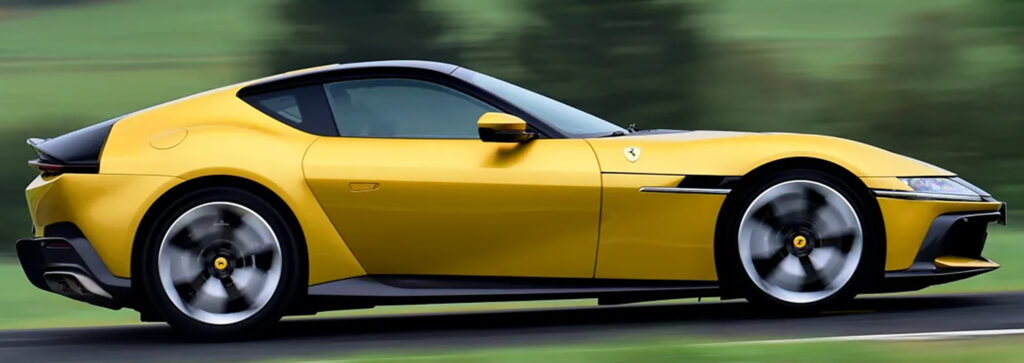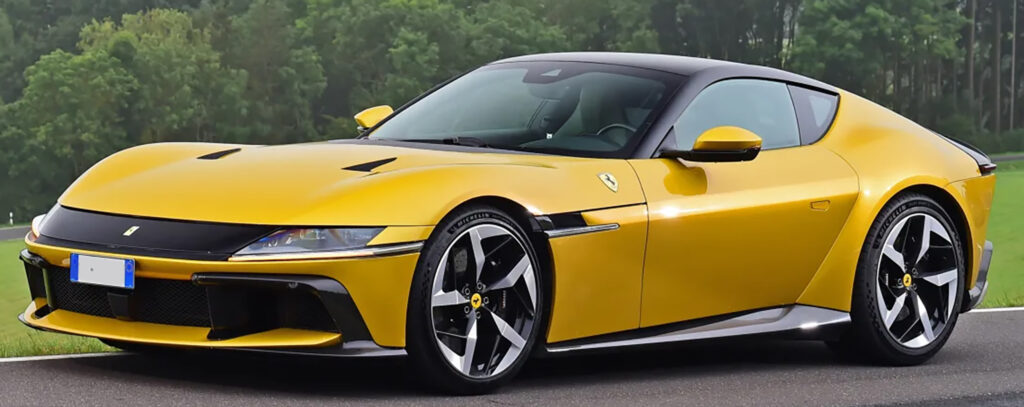
In keeping with the likes of the Ferrari LaFerrari’s rather unambiguous name, the new Ferrari 12Cilindri shares with it, a very similar and self-explanatory nomenclature. Honorifically referred to as the Dodici Cilindri—anglicized as Twelve Cylinder—it’s Ferrari’s latest testament to the automaker’s quintessential 6.5L V12 power plant, as its name so readily suggests.
For marketing purposes—and because it fits much better on a badge—that name has been abridged to its more universally palatable form of ‘12Cilindri’. That same simplicity is also reflected in the Ferrari 12Cilindri’s general automobiling philosophy, with the exotic minimalism of its naturally-aspirated 820 bhp engine at the center of its identity.
It was never Ferrari’s intention to reinvent the wheel, so to speak, and avid Ferrari enthusiasts will be quick to point out glaring similarities to its predecessor—the Ferrari 812 Superfast—and its own version of the venerable F140 V12 motor. Both share an identical 6,496 cc of displacement and output roughly equivalent power figures, with the 12Cilindri generating more horsepower, but less torque.
The most notable evolution between the two platforms would be more in terms of character rather than peak numbers, with the 12Cilindri’s V12 extending its redline to an astronomical 9,500 rpm–a solid 1,000 rpm more than the outgoing super grand tourer it succeeds. Similarly, the new car generates those peak numbers further up the rev range, which will surely end up providing a transformative driving experience despite the other likenesses between the two cars.
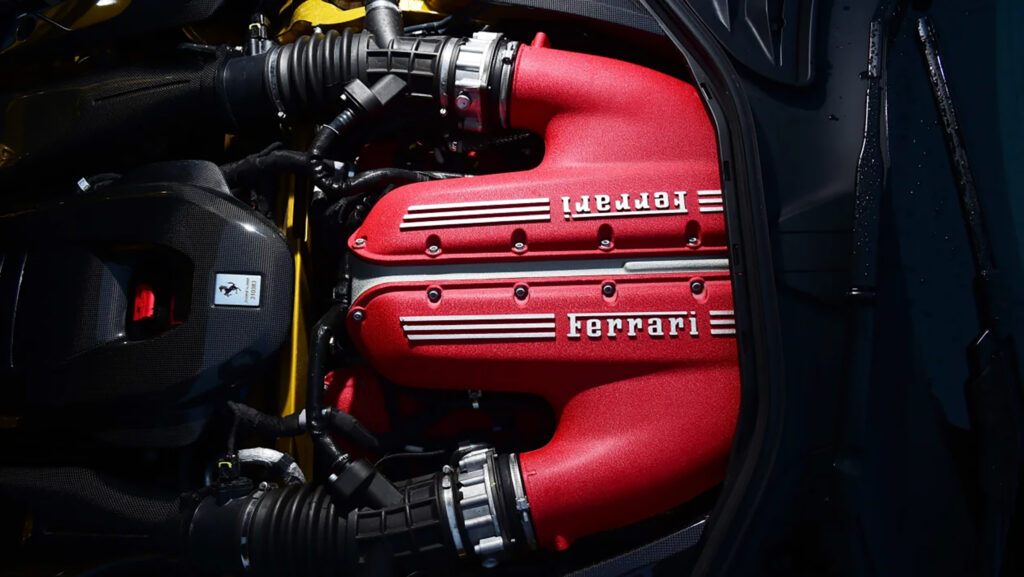
More on that big V12 engine-and what a fine specimen it is. There’s a bit of drama that comes as part of the package too, with the 6.5L mounted further behind the front axle than in the 812 Superfast. This allows the power plant in the 12Cilindri to be showcased with even more of a wow-factor, where it lies under a stunning ‘cofango’ front bonnet.
Ferrari was absolutely on point when it came to sticking to their guns on the original philosophy of the F140 engine. The spirit of its naturally-aspirated motor remains fully intact, with the Italian automaker forgoing any level of hybridization—or even the addition of turbochargers—which is the current default for complying with the latest set of emissions regulations, and what have you.
The higher 9,500 rpm redline is sure to aurally delight, and it’s thanks to lighter titanium connecting rods and forged pistons that drivers will be able to partake in this particular Italian symphony. All changes considered, this ultimately makes the 12Cilindri a bit less torque-y than its predecessor, with 500 lb-ft of peak torque produced @ 7,250 rpm (instead of 530 lb-ft in the 812 Superfast).
However, that’s all kinds of semantics. Ferrari claims that most of the torque is available from 2,500 rpm onwards, meaning that you don’t need to be perpetually high-strung in order to have practical access to the car’s performance. There’s obviously plenty of that on tap too, and in conjunction with 820 bhp of peak horsepower—produced at 9,250 rpm—0-60 mph sprints can be completed in as little as 2.8 seconds. Top speed is rated at 217 mph. Not too shabby for an NA engine, but then again… it’s a Ferrari, pal.
In keeping with the overall purity of the engine itself, an updated 8-speed dual-clutch transmission continues to send power to the rear wheels exclusively, in this latest interpretation of the Prancing Horse’s super-grand-touring masterpiece. Ferrari claims that it shifts 30% quicker than the outgoing car.
Ferrari claims that the chassis is now 15% more rigid compared to the 812 Superfast. Remembering that the 12Cilindri is not a track-focused tool, this improvement provides more precise handling performance to complement the refined characteristics that the latest super tourer will arguably become best known for.
The entire chassis is still made of aluminum, so the 12Cilindri remains relatively lightweight given its dimensions and overall footprint. Granted, it does tip the scales higher than the 812 Superfast, weighing in at around 1,560 kg. That’s a gain of about 35 kg, and most of that can be attributed to the new car’s larger 21-inch wheels, larger front bonnet and active aerodynamics equipment. On that note, I dare anyone to name any notable sports car model that’s lighter and an improvement over its direct predecessor.
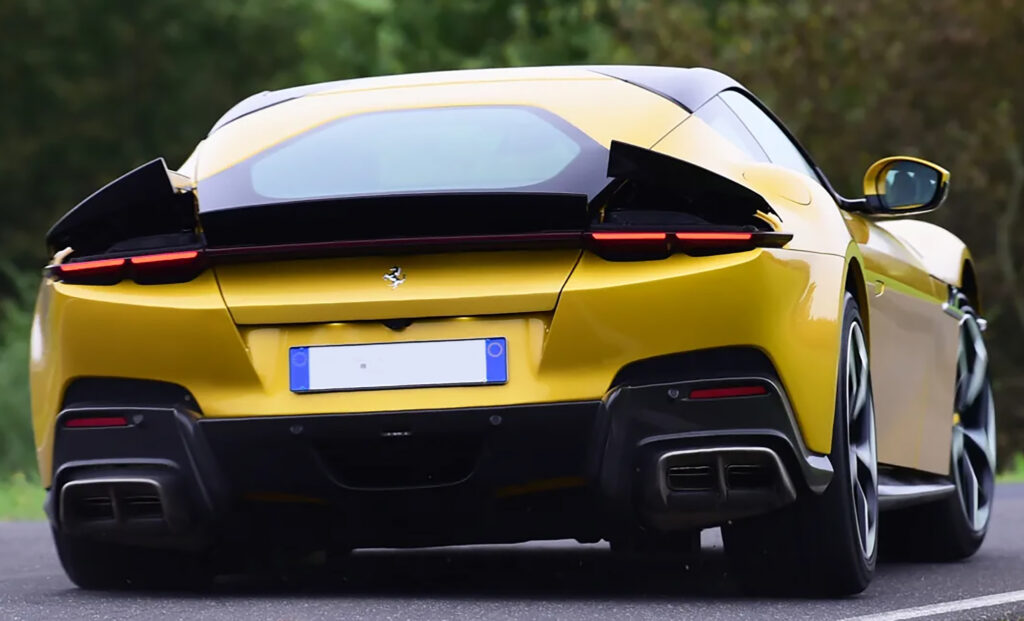
The majority of the 812 Superfast’s suspension and chassis technology has been carried over to the 12Cilindri, though features such as rear-wheel steering and brake-by-wire have had their coding re-optimized for use on the new platform. When the active aerodynamic parts are at play, up to an additional 50 kg of downforce is generated at the rear. That’s hardly elaborate by today’s standards, but an acceptable level of utilitarianism is always demanded from a Ferrari super tourer, so there was never going to be a giant wing in the picture.
Overall, the driving experience is more than likely going to be exactly what you’d expect from a car like this—and as an unapologetically-Ferrari super tourer, that can never be a bad thing. Comfortable and civilized around town, and a performance maestro when the occasion beckons the very best from this uncompromising Italian V12.
Ferrari’s modern bloodline of super tourers have always been exceptionally bold—but never vulgar—with their design language, and it’s clear that the new 12Cilindri doesn’t fall far from that same family tree.
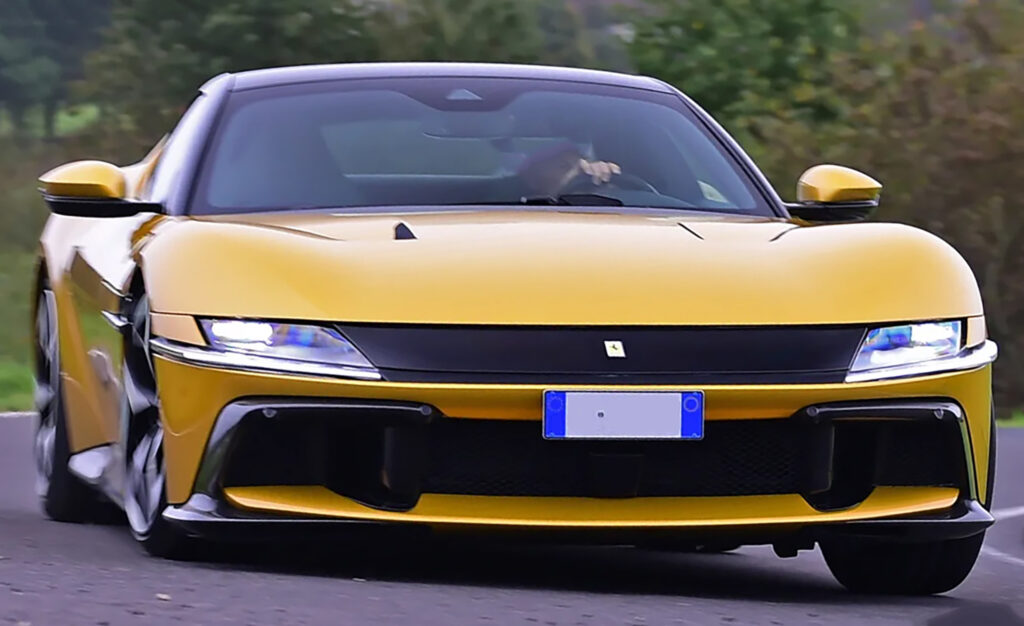
Arguably, you could say that it’s the most radical design so far, and that Ferrari has taken more liberties than normal when it came to expressing themselves through this car. However, this is more so on the account of being conspicuously retro-ist, with key design cues harkening back to famous Ferrari’s of days gone by. Eagle-eyed enthusiasts will immediately spot a reimagined headlight and front bonnet design being clearly derived from the ‘60s-era Ferrari 365 Daytona.
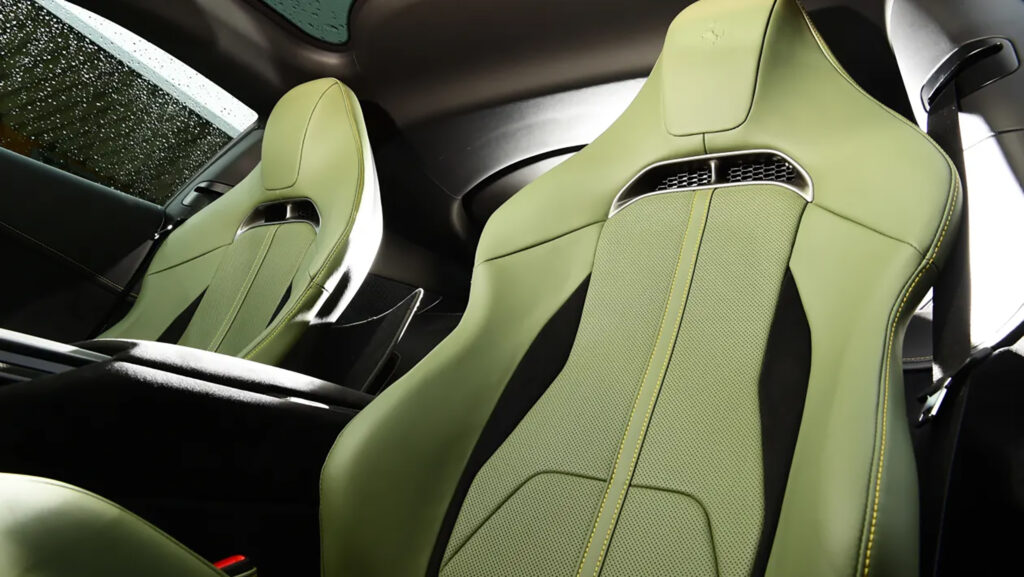
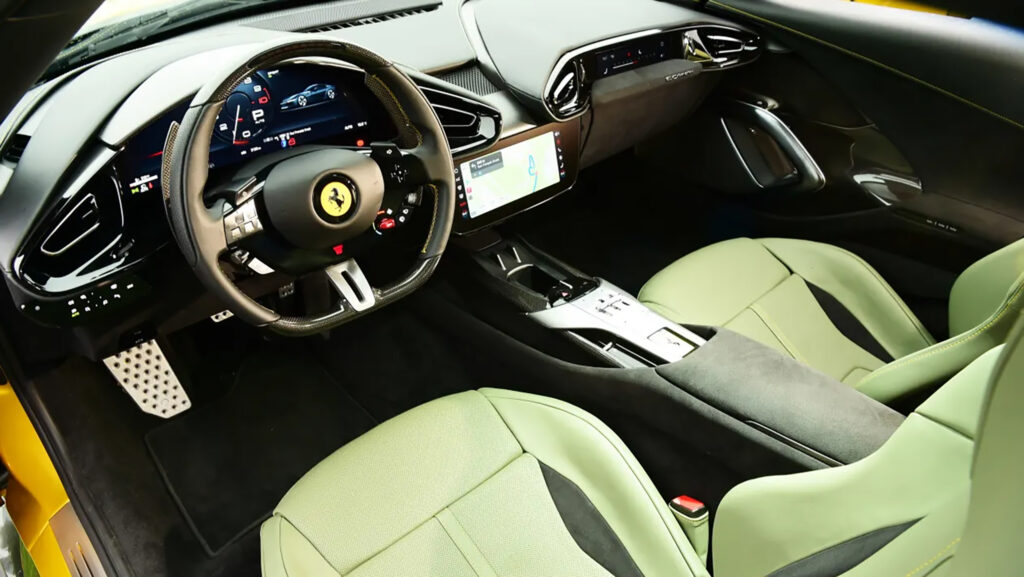
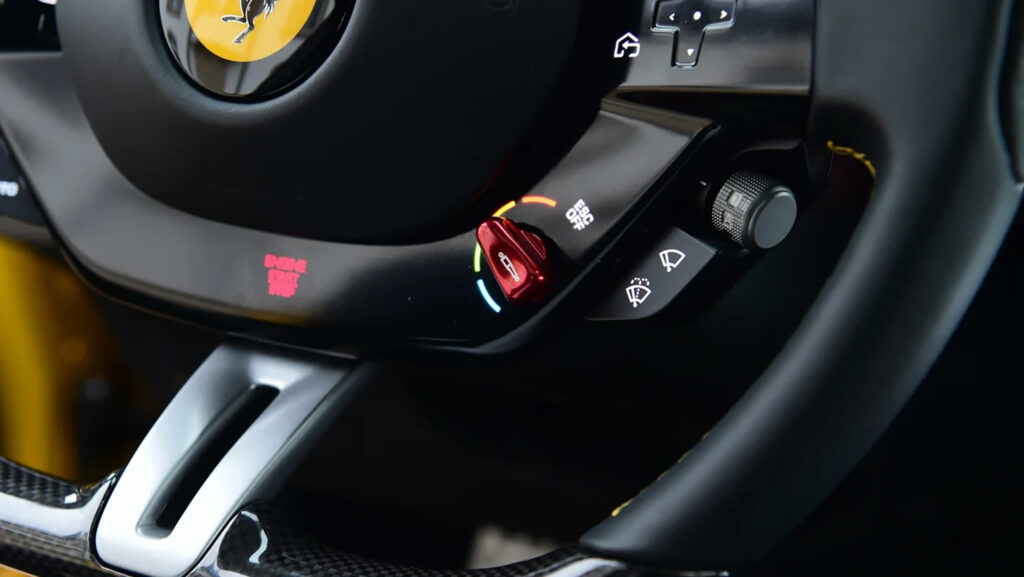
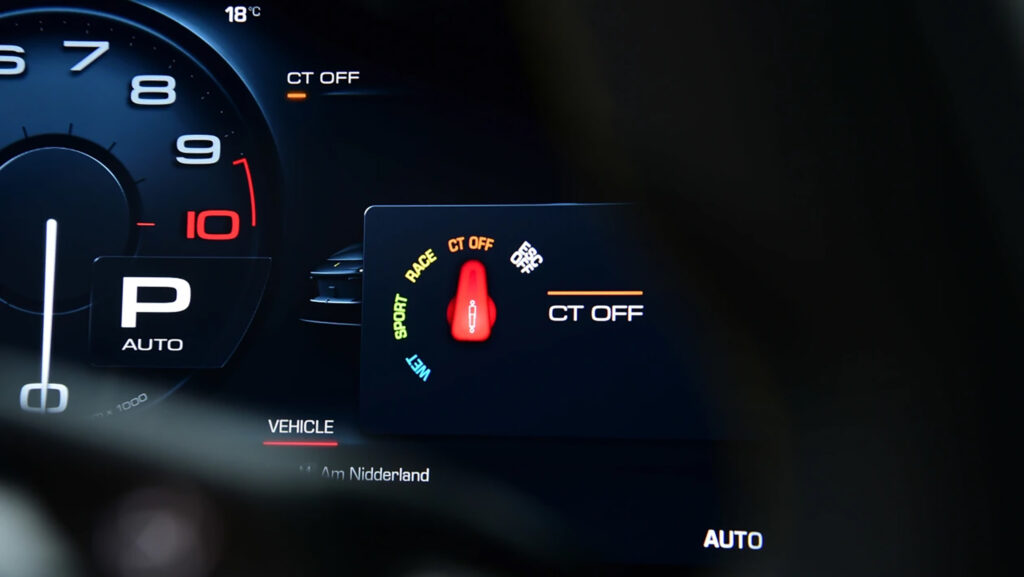
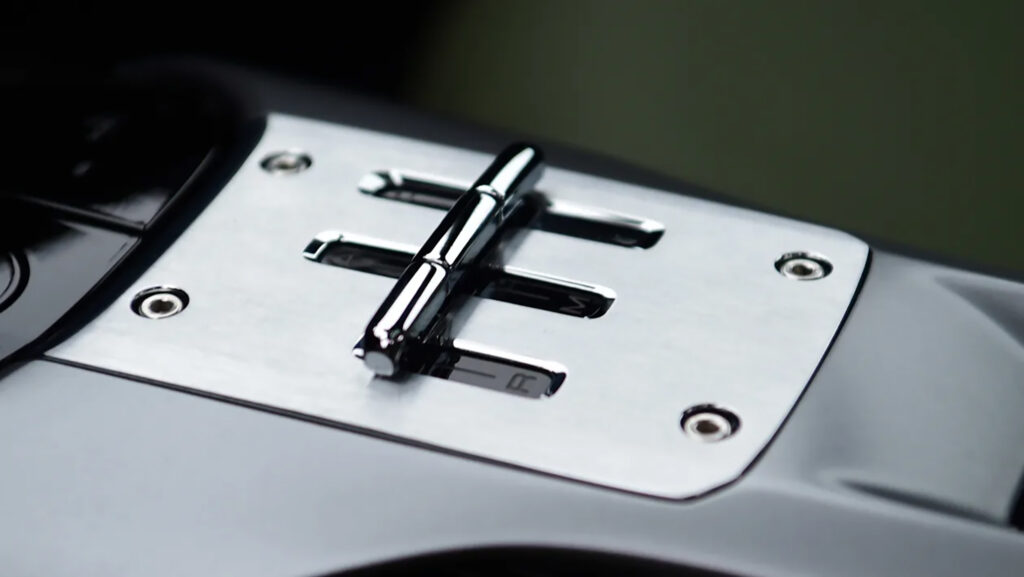
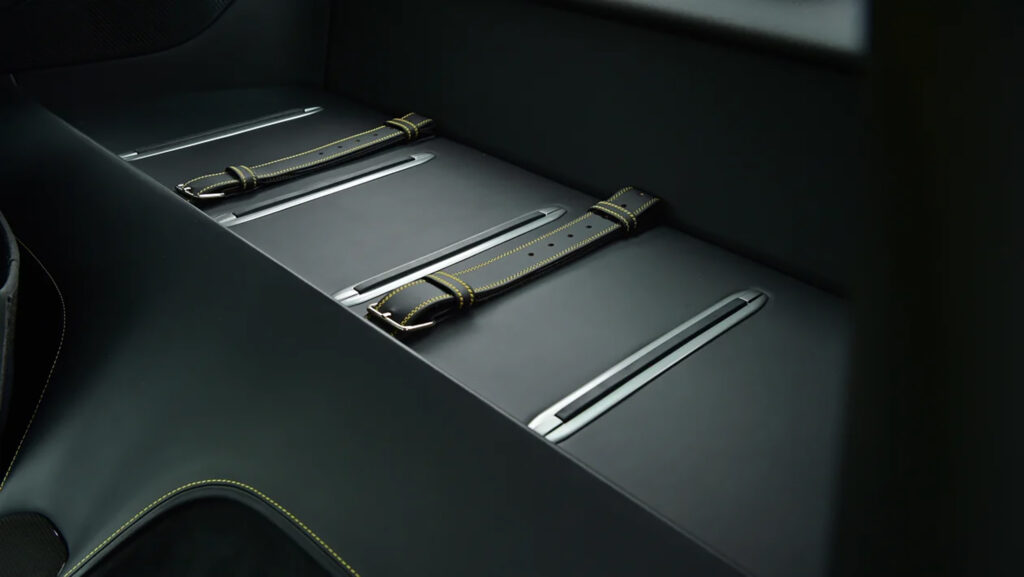
In concert with other modern Ferrari models, the 12Cilindri is all about minimalist future-ism when it comes to the cabin. That means an abundance of digital touch screens and an absence of traditionally tactile button-ry. The idea is to invoke a certain standard of cleanliness and austerity, even at the expense of sensibility in some cases-ergo, the constant need to wipe away pesky fingerprints.
Nevertheless, I think it all works with both what the new super tourer is all about and is consistent with contemporary Ferrari branding and philosophies. Afterall, there are still plenty of nods to the company’s heritage through the use of familiar finishings and decorative design options for the interior. Inside and out, the new Ferrari 12Cilindri definitely looks the part.
| BODYWORK | |||
|---|---|---|---|
| BODY TYPE | 2 seater fixed-head coupé | ||
| NUMBER OF DOORS | 2 | ||
| DESIGNER | |||
| DIMENSIONS & WEIGHTS | |||
| WHEELBASE | 2700mm | 106.3 inches | |
| TRACK/TREAD (FRONT) | 1686 mm | 66.4 inches | |
| TRACK/TREAD (REAR) | 1645 mm | 64.8 inches | |
| LENGTH | 4733mm | 186.3 inches | |
| WIDTH | |||
| HEIGHT | 1292 mm | 50.9 inches | |
| GROUND CLEARANCE | |||
| LENGTH:WHEELBASE RATIO | 1.75 | ||
| KERB WEIGHT | 1560 kg | 3439 lb | |
| WEIGHT DISTRIBUTION | 48.4% front | ||
| FUEL TANK CAPACITY | 92 litres | 20.2 [24.3] UK [US] gal. | |
| AERODYNAMICS | |||
| DRAG COEFFICIENT | |||
| FRONTAL AREA | |||
| CDA | |||
| POWERTRAIN | |||
| ENGINE TYPE | naturally aspirated petrol | ||
| ENGINE MANUFACTURER | Ferrari | ||
| ENGINE CODE | F140HD | ||
| CYLINDERS | V 12 in 65° vee | ||
| CAPACITY | 6.5 litre 6496 cc (396.41 cu in) | ||
| BORE × STROKE | 94 × 78 mm 3.7 × 3.07 in | ||
| BORE/STROKE RATIO | 1.21 | ||
| VALVE GEAR | double overhead camshaft (DOHC) 4 valves per cylinder 48 valves in total | ||
| MAXIMUM POWER OUTPUT | 830 PS (819 bhp) (611 kW) at 9250 rpm | ||
| MAXIMUM TORQUE | 678 Nm (500 ft·lb) (69.1 kgm) at 7250 rpm | ||
| SPECIFIC OUTPUT | 94 kW/litre 127.8 ps/litre 126.1 bhp/litre 2.07 bhp/cu in | ||
| SPECIFIC TORQUE | 104.37 Nm/litre 1.26 ft·lb/cu3 | ||
| ENGINE CONSTRUCTION | |||
| SUMP | dry sumped | ||
| COMPRESSION RATIO | 13.5:1 | ||
| FUEL SYSTEM | direct petrol injection | ||
| BMEP (BRAKE MEAN EFFECTIVE PRESSURE) | 1311.6 kPa (190.2 psi) | ||
| MAXIMUM RPM | 9500 rpm | ||
| CRANKSHAFT BEARINGS | 7 | ||
| ENGINE COOLANT | Water | ||
| UNITARY CAPACITY | 541.33 cc | ||
| ASPIRATION | Normal | ||
| COMPRESSOR | N/A | ||
| INTERCOOLER | None | ||
| CATALYTIC CONVERTER | Y | ||
| PERFORMANCE | |||
| ACCELERATION 0-80KM/H (50MPH) | |||
| ACCELERATION 0-60MPH | |||
| ACCELERATION 0-100KM/H | 2.9 s | ||
| ACCELERATION 0-160KM/H (100MPH) | |||
| STANDING QUARTER-MILE | |||
| STANDING KILOMETRE | |||
| MAXIMUM SPEED | 340 km/h (211 mph) | ||
| POWER-TO-WEIGHT RATIO | Higher is better 532.3 PS/tonne (1000 kg) 0.53 PS/kg 391.49 kW/tonne (1000 kg) 0.39 kW/kg 525 bhp/tonne (1000 kg) 0.53 bhp/kg 0.23 bhp/lb | ||
| WEIGHT-TO-POWER RATIO | Lower is better 2.55 kg/kW 4.27 lb/bhp | ||
| FUEL CONSUMPTION | |||
| FUEL CONSUMPTION | |||
| UNIVERSAL FUEL CONSUMPTION (CALCULATED FROM THE ABOVE) | |||
| LITRES/100KM | |||
| KM/LITRE | |||
| UK MPG | |||
| US MPG | |||
| CARBON DIOXIDE EMISSIONS | |||
| CARFOLIO CALCULATED CO2? | |||
| VED BAND (UK) | |||
| CO2 EFFIZIENZ (DE) | |||
| CHASSIS | |||
| ENGINE POSITION | front | ||
| ENGINE LAYOUT | longitudinal | ||
| DRIVE WHEELS | rear wheel drive | ||
| TORQUE SPLIT | N/A | ||
| STEERING | power assisted rack & pinion | ||
| TURNS LOCK-TO-LOCK | |||
| TURNING CIRCLE | |||
| FRONT SUSPENSION | |||
| REAR SUSPENSION | |||
| WHEEL SIZE FRONT | 10.0J x 21 | ||
| WHEEL SIZE REAR | 11½J x 21 | ||
| TYRES FRONT | 275/35 R 21 | ||
| TYRES REAR | 315/35 R 21 | ||
| BRAKES F/R | VeDi/VeDi-S-ABS | ||
| FRONT BRAKE DIAMETER | 398 mm | ||
| REAR BRAKE DIAMETER | 360 mm | ||
| BRAKED AREA | |||
| GEARBOX | 8 speed automatic | ||