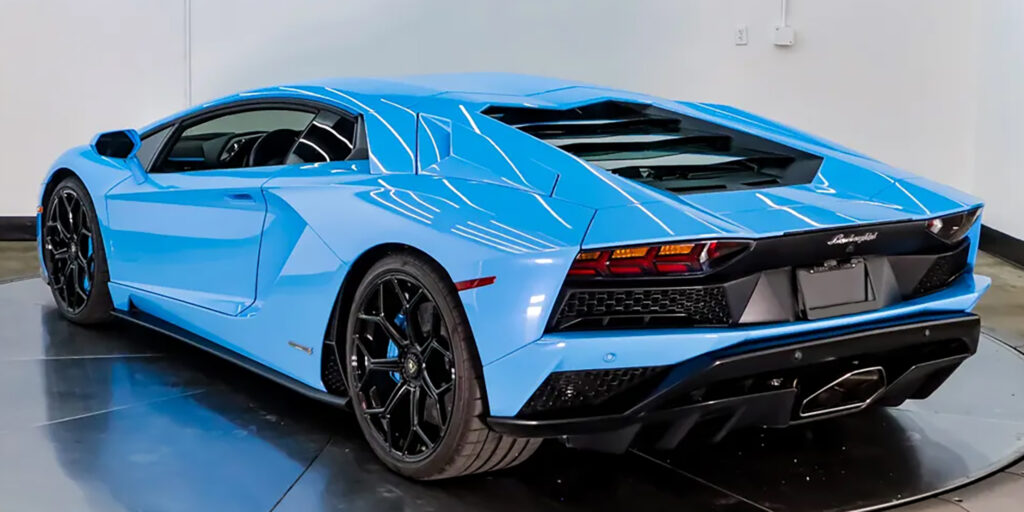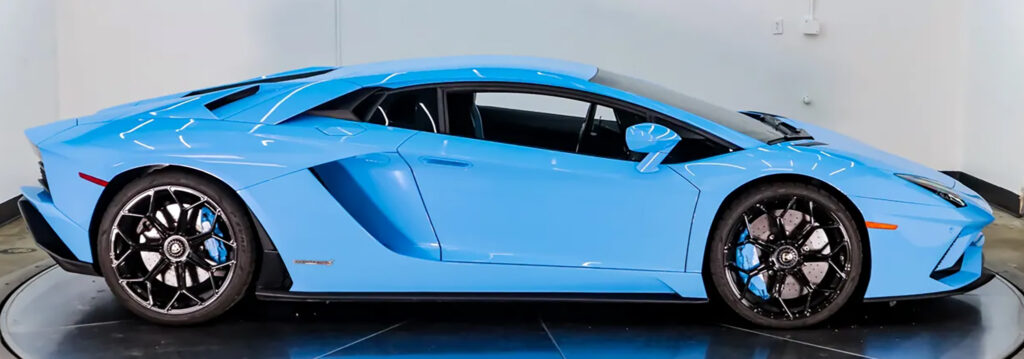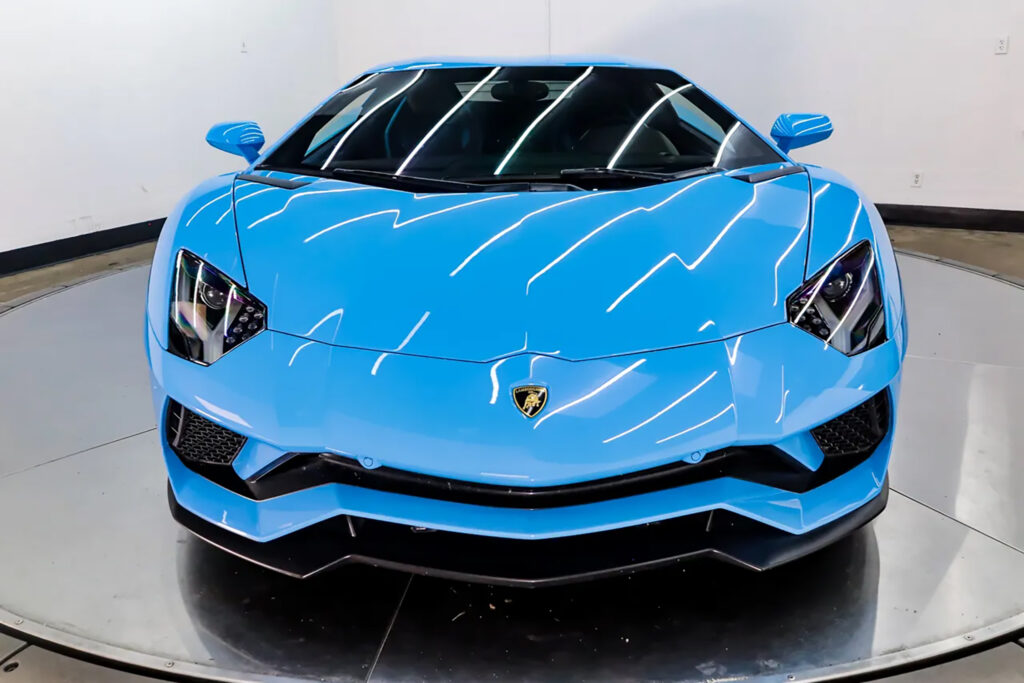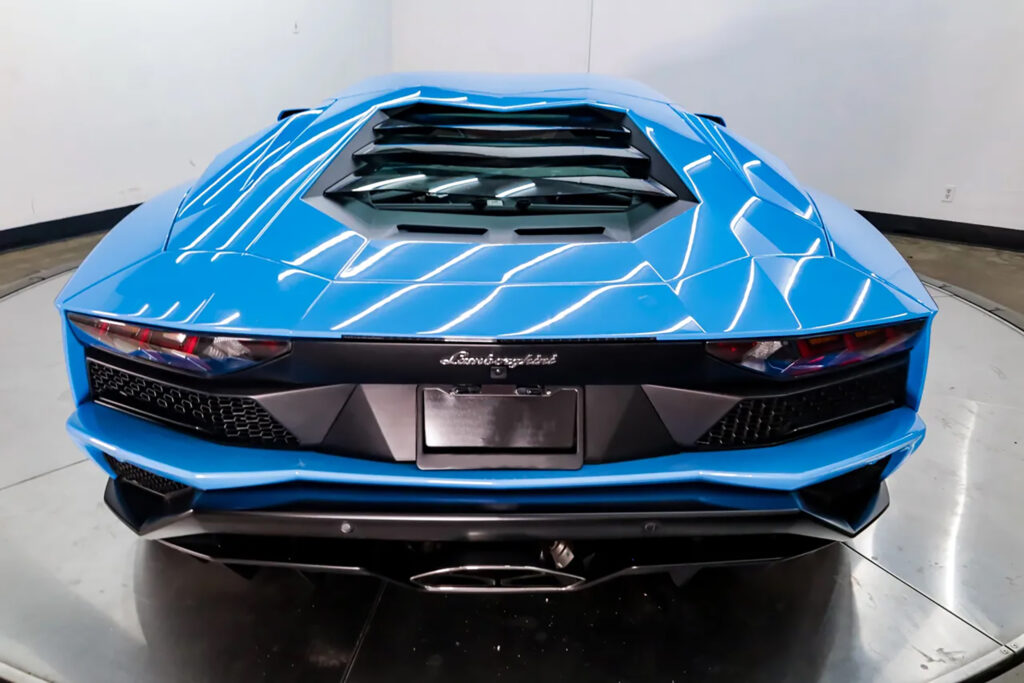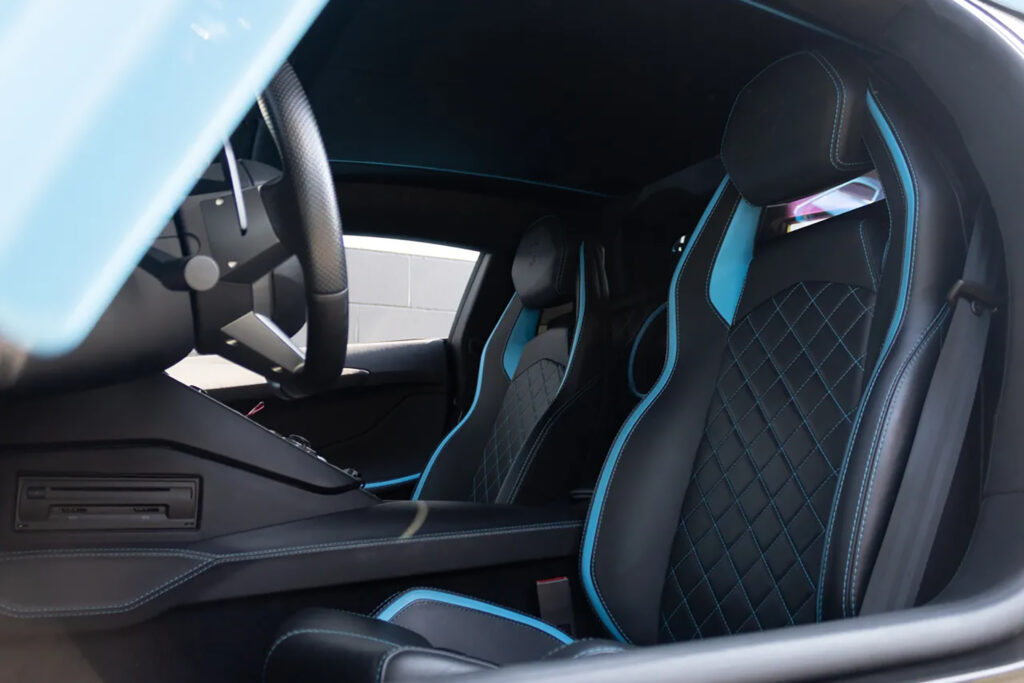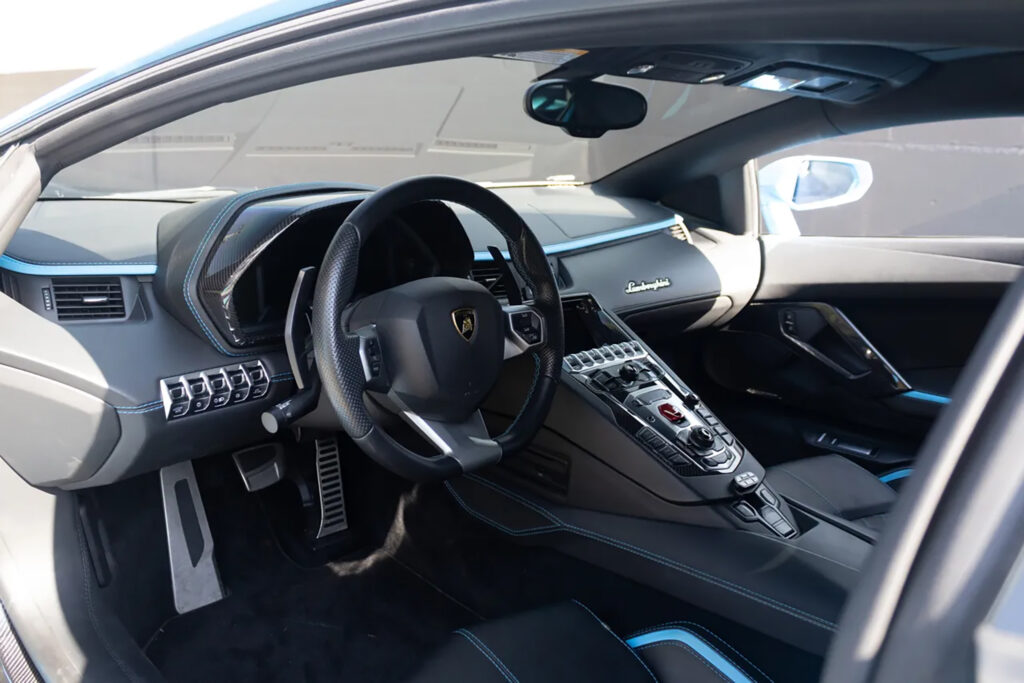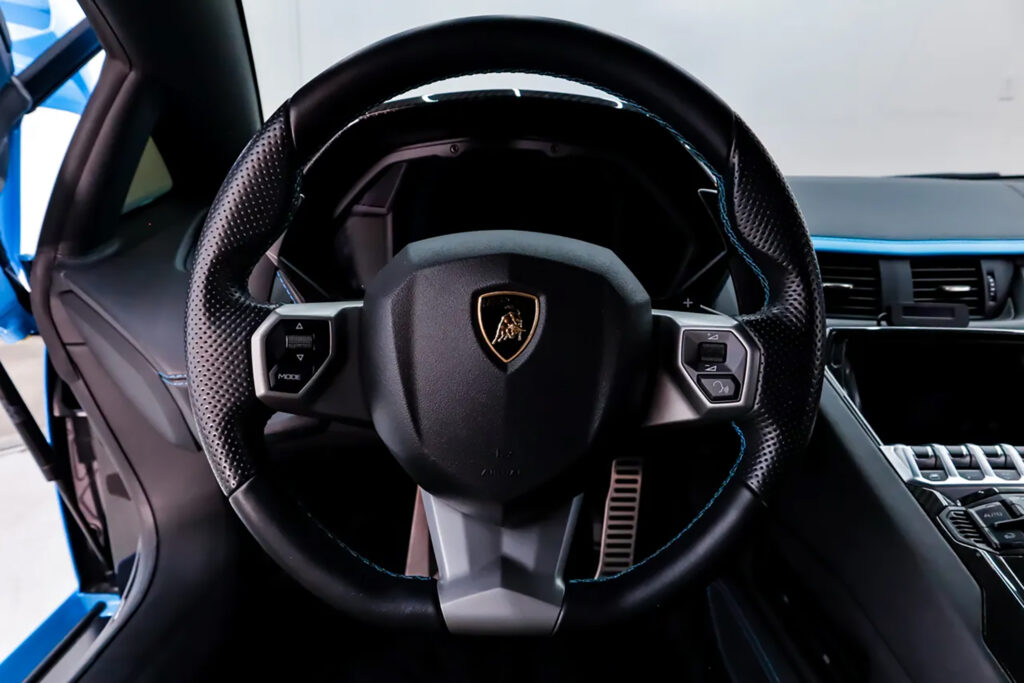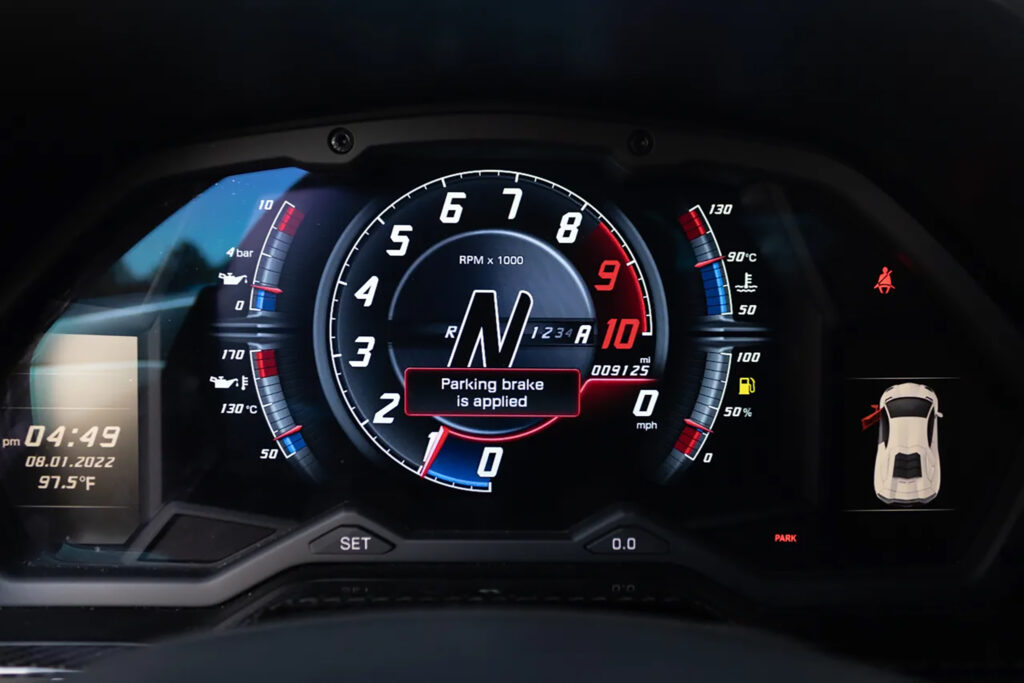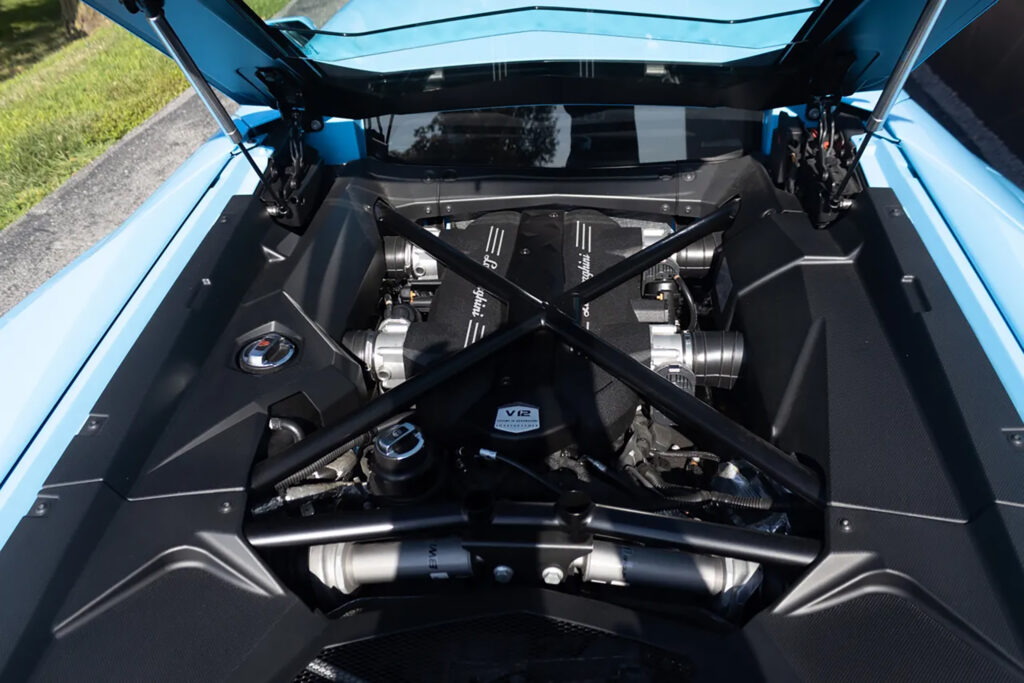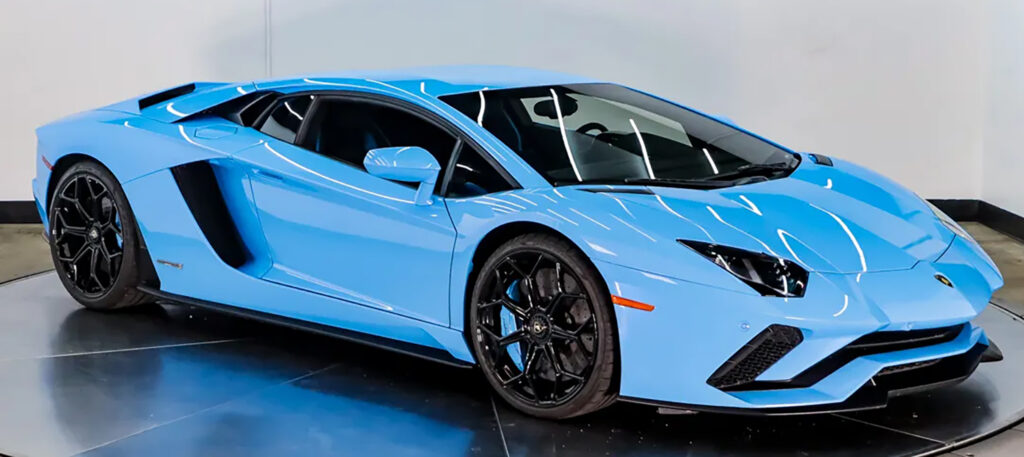
The entry level Aventador is now known as the Aventador S. It still has a mid-engined naturally aspirated 6.5 liter V12 engine with 730 horsepower and 509 lb/ft of torque. It still has a unique seven-speed automated-manual transmission and all-wheel drive. The formula is unchanged – crazy looks, lots of noise, insane power and drama. The big updates to the platform for S were the new AWD system, new control unit for active systems. The result is a livelier and more fun car to drive than the original Aventador.
For all its likeably flamboyant design and visceral performance, the Lamborghini Aventador never quite delivered on its promise. The chassis in particular tended to feel a little leaden. So now Lamborghini is upping the ante with the Aventador S.
The Aventador’s frankly stunning performance figures, from the 2.9sec 0-62mph time to the 217mph top end, remain unchanged. But to judge the improvements Lamborghini has implemented based on data alone is to entirely miss the point. Because a) the Aventador always had plenty enough performance, and b) the S version is a dramatic improvement over went before.
Design boss Mitja Borkert hasn’t messed too much with the looks, but you might notice the new fangs on the front bumper, the cleaner side intakes and the new BBS-like cross-spoke wheels (which look a little flat to our eyes). Don’t worry, it still turns heads.
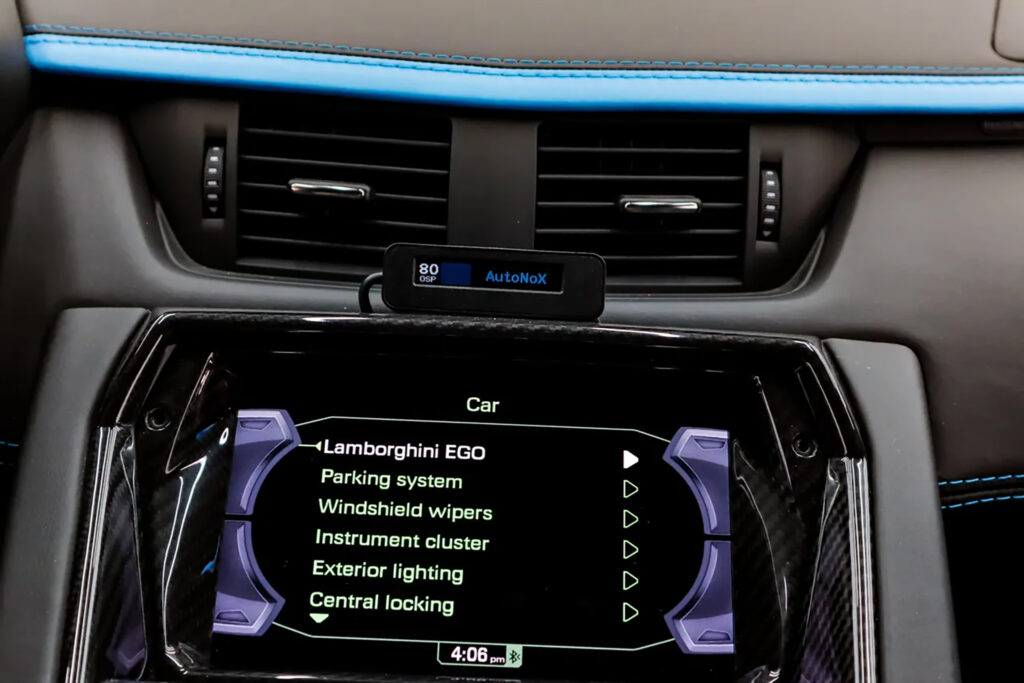
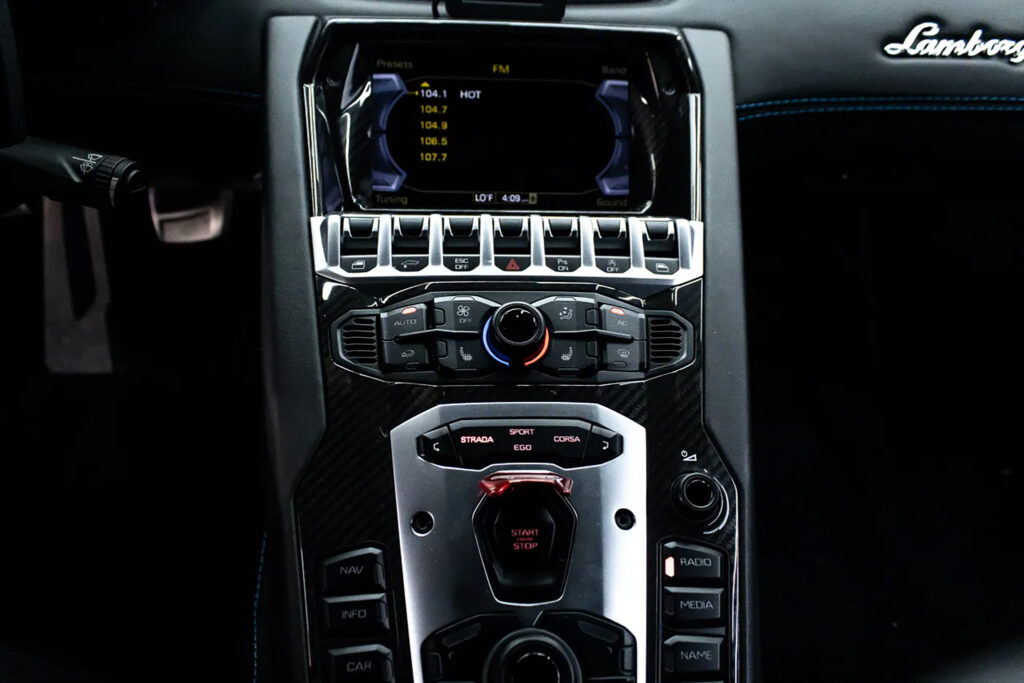
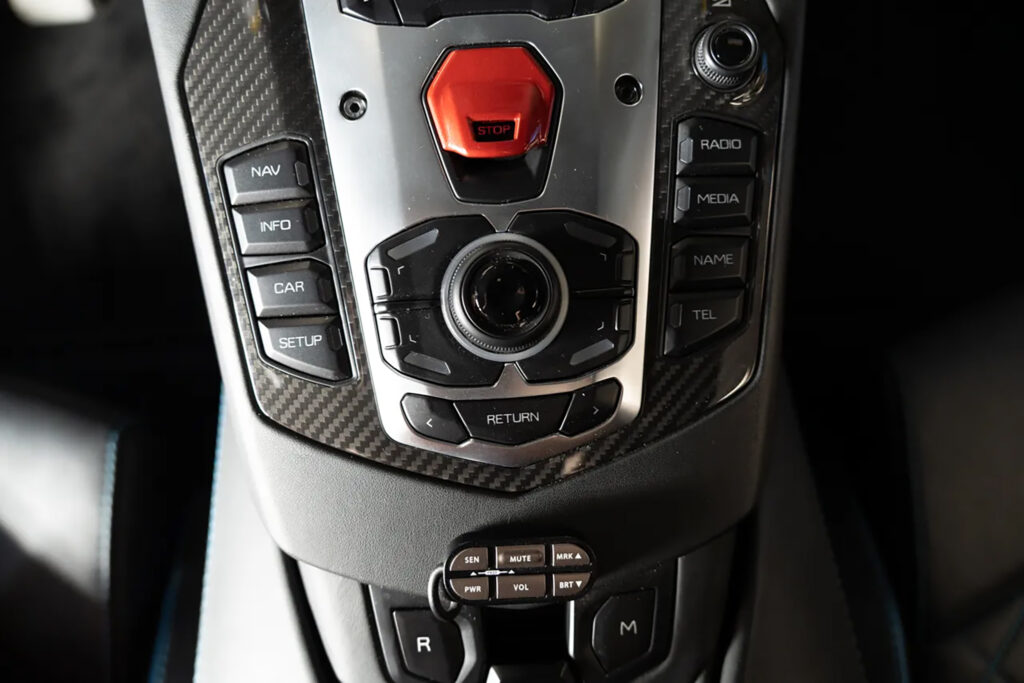
Inside, it’s business as usual: you glimpse the carbonfibre monocoque as you raise the dramatic doors, the windscreen races over your head, the centre console seems so rakish it’s almost flat, and you’re still a bit too aware of Audi switchgear. However, there is a new TFT display in the instrument binnacle. This changes according to driver mode, but always features an arcade-game-like font – it fittingly emphasises the Aventador’s sci-fi otherworldliness, like you’re driving a spaceship.
But no, really, this isn’t about the facelift, it’s about the driving dynamics.
The key difference is the new rear-wheel steering system, which works much like the systems fitted to the Porsche 911 GT3 and Ferrari F12 TdF. Below 81mph, the rear wheels turn in the opposite direction to the fronts by up to three degrees, just 5ms after you’ve made a steering input. It effectively makes the wheelbase feel shorter, much like a forklift truck. Above 81mph, all four wheels turn in the same direction, with the rears turning by up to 1.5 degrees. This effectively makes the wheelbase longer.
There’s new rear suspension hardware to account for the turning rear wheels, the springs are 20% stiffer and the magnetorheological dampers have been recalibrated. The Pirelli P Zeros are a new design – even the tread appears different – with 355/25 ZR21s on the rear.
The all-wheel drive system is also tuned to be more rear-biased, and sends less torque forwards when you decelerate. The idea is you’ll get a more agile, rear-drive feel when you turn in to a corner.
As before, the system also changes its torque split based on the drive mode, with up to 90% of torque flowing rearwards in Sport mode, less in Strada (Street) and Corsa (Race) modes – the latter to prioritise clawing grip for faster lap times in the most hardcore setting. A new Ego drive mode debuts too, allowing you to mix and match your choices for the powertrain, chassis and steering settings. Lamborghini Active Vehicle Dynamics – a new brain – takes care of marrying everything up.
Handily, Lamborghini let us drive old and new Aventadors back-to-back, on a short slalom they’d set up at Circuit Ricardo Tormo. The difference isn’t subtle. Where the old car feels very nose-led and slightly stubborn, its steering lethargic where you need flighty flicks left-to-right, the S dances through the slalom with a balance that feels much more in line with your hips, and steering that feels light years faster. You’re also more aware of that heavy V12 shifting about behind you, helping point the nose just to the left or right of the cones we’re dodging.
Not only does the S feel a giant leap in terms of agility, it also feels much lighter too, because of the increased hunger for direction changes. And yet it weighs exactly the same.
The V12’s been downsized and turbocharged… only joking. No, the Aventador sticks with the glorious 6.5-litre V12 engine, naturally aspirated and a fantastic riposte to everyone who says they had no choice but to give us smaller blown units. The noise is heaven, all raucous yelps at high revs and theatrical thunderclaps on down shifts, the instant response flings you forward at seemingly any revs, and the power builds ferociously all the way to 730bhp at 8400rpm, and now screams 200rpm higher at 8500rpm. Technologically off-the-pace, maybe, but its soul, emotion and passion more than compensates.
The differences in feel between old and new engine specs is less obvious than the chassis, but there’s 39bhp extra, if no additional torque at 509lb ft. Despite its 730bhp being just 10bhp shy of the hardcore Aventador SV, the philosophy is different: the SV’s 100kg weight loss gives it permission to focus more on power, where Lamborghini’s engineers have also targeted driveable torque for the S. So the new airbox can be virtually split into smaller or larger sections by the use of four separate drive-by-wire throttles – all throttles deployed for full power, fewer throttles to increase low-speed torque. Trust me, you won’t want a turbo.
A lighter exhaust is said to offset the weight gain of the rear-steering system, meaning the chunky 1575kg dry weight remains unchanged.
The seven-speed automated manual gearbox of course remains. There’s still a little hole in the delivery when you shift at lower speeds – a Ferrari dual-clutch transmission feels far more sophisticated in this respect – but Lamborghini says they’ve targeted low-speed refinement, and it surely won’t be a deal breaker if you’re already prepared to use a car as radical as this in town. And when you’re flat-out on the racetrack, pulling those paddles as the revs zing towards 8500rpm? You don’t need faster changes, and there’s a lovely physicality to the shift that stops short of unnecessarily theatrical brutality.
Amazing. We were privileged to follow Lamborghini test driver Mario Fasanetto, who was piloting an SV and not hanging about. The Aventador S is a fantastically quick supercar with some old-school rawness to it, but it’s still highly accomplished.
On racetrack corners much faster than the slalom we also tested on, you can feel the effects of the rear-wheel steering, the extra torque that’s been kept at the rear wheels when you decelerate and the weight of the V12 behind you; the S really wants to turn in – it’s almost nervously keen to do so – and it’s here you’re most likely to overcook things and get a slide on. You might also need to add steering correction even when you’re off-throttle in a slower corner, so keen is this Lambo to point its snout down the next straight. But otherwise, this is a very sure-footed all-wheel drive chassis, with immense traction combined with a lovely rear-biased adjustability.
It allows you to work that 730bhp very hard and have fun, with very little understeer – make it scrub and, really, you’re just doing it wrong.
If the Aventador was a disappointment, the S is a revelation. Don’t let the similarity of design or performance fool you, this is a very different feeling supercar, and the key to its new-found engagement is its revised chassis, particularly the new rear-wheel steering system. An SV still manages to be the driver’s choice, but the S feels far more closely aligned to that hardcore range-topper than it does its predecessor.
The Aventador has always been unique in its segment, but the S takes it to a whole new level. Would we buy one? Absolutely.
| BODYWORK | ||
| BODY TYPE | 2 seater fixed-head coupé | |
| NUMBER OF DOORS | 2 | |
| DESIGNER | ||
| DIMENSIONS & WEIGHTS | ||
| WHEELBASE | 2700 mm | 106.3 inches |
| TRACK/TREAD (FRONT) | 1720 mm | 67.7 inches |
| TRACK/TREAD (REAR) | 1680 mm | 66.1 inches |
| LENGTH | 4797 mm | 188.9 inches |
| WIDTH | 2030 mm | 79.9 inches |
| HEIGHT | 1136 mm | 44.7 inches |
| GROUND CLEARANCE | 115 mm | 4.5 inches |
| LENGTH:WHEELBASE RATIO | 1.78 | |
| KERB WEIGHT | 1575 kg | 3472 lb |
| WEIGHT DISTRIBUTION | 43% front | |
| FUEL TANK CAPACITY | 85 litres | 18.7 [22.5] UK [US] gal. |
| AERODYNAMICS | ||
| DRAG COEFFICIENT | ||
| FRONTAL AREA | ||
| CDA | ||
| POWERTRAIN | ||
| ENGINE TYPE | naturally aspirated petrol | |
| ENGINE MANUFACTURER | Lamborghini | |
| ENGINE CODE | L539 | |
| CYLINDERS | V 12 in 60° vee | |
| CAPACITY | 6.5 litre 6498 cc (396.532 cu in) | |
| BORE × STROKE | 95 × 76.4 mm 3.74 × 3.01 in | |
| BORE/STROKE RATIO | 1.24 | |
| VALVE GEAR | double overhead camshaft (DOHC) 4 valves per cylinder 48 valves in total | |
| MAXIMUM POWER OUTPUT | 740 PS (730 bhp) (544 kW) at 8400 rpm | |
| MAXIMUM TORQUE | 690 Nm (509 ft·lb) (70.4 kgm) at 5500 rpm | |
| SPECIFIC OUTPUT | 83.8 kW/litre 113.9 ps/litre 112.3 bhp/litre 1.84 bhp/cu in | |
| SPECIFIC TORQUE | 106.19 Nm/litre 1.28 ft·lb/cu3 | |
| ENGINE CONSTRUCTION | aluminium block & head | |
| SUMP | dry sumped | |
| COMPRESSION RATIO | 11.8:1 | |
| FUEL SYSTEM | Lamborghini fuel injection | |
| BMEP (BRAKE MEAN EFFECTIVE PRESSURE) | 1334.4 kPa (193.5 psi) | |
| MAXIMUM RPM | 8500 rpm | |
| CRANKSHAFT BEARINGS | ||
| ENGINE COOLANT | Water | |
| UNITARY CAPACITY | 541.5 cc | |
| ASPIRATION | Normal | |
| COMPRESSOR | N/A | |
| INTERCOOLER | None | |
| CATALYTIC CONVERTER | Y | |
| PERFORMANCE | ||
| ACCELERATION 0-80KM/H (50MPH) | ||
| ACCELERATION 0-60MPH | ||
| ACCELERATION 0-100KM/H | 2.9 s | |
| ACCELERATION 0-160KM/H (100MPH) | ||
| STANDING QUARTER-MILE | ||
| STANDING KILOMETRE | ||
| MAXIMUM SPEED | 350 km/h (217 mph) | |
| POWER-TO-WEIGHT RATIO | Higher is better 469.93 PS/tonne (1000 kg) 0.47 PS/kg 345.63 kW/tonne (1000 kg) 0.35 kW/kg 463.49 bhp/tonne (1000 kg) 0.46 bhp/kg 0.21 bhp/lb | |
| WEIGHT-TO-POWER RATIO | Lower is better 2.89 kg/kW 4.83 lb/bhp | |
| FUEL CONSUMPTION | ||
| FUEL CONSUMPTION | 26.2/11.6/16.9 l/100km urban/extra-urban/combined | |
| UNIVERSAL FUEL CONSUMPTION (CALCULATED FROM THE ABOVE) | ||
| LITRES/100KM | 26.2/11.6/16.9 l/100km urban/extra-urban/combined | |
| KM/LITRE | 3.8/8.6/5.9 km/l urban/extra-urban/combined | |
| UK MPG | 10.8/24.4/16.7 UK MPG urban/extra-urban/combined | |
| US MPG | 9.0/20.3/13.9 US MPG urban/extra-urban/combined | |
| CARBON DIOXIDE EMISSIONS | 394.0 g/km NEDC | |
| CARFOLIO CALCULATED CO2 ? | ||
| VED BAND (UK) | M | |
| CO2 EFFIZIENZ (DE) | G | |
| CHASSIS | ||
| ENGINE POSITION | mid | |
| ENGINE LAYOUT | longitudinal | |
| DRIVE WHEELS | all wheel drive | |
| TORQUE SPLIT | ||
| STEERING | power assisted rack & pinion | |
| TURNS LOCK-TO-LOCK | 2.100 | |
| TURNING CIRCLE | ||
| FRONT SUSPENSION | ||
| REAR SUSPENSION | ||
| WHEEL SIZE FRONT | 9J x 20 H2 ET 32.2 | |
| WHEEL SIZE REAR | 13J x 21 H2 ET 66.7 | |
| TYRES FRONT | Pirelli P Zero 255/30 ZR 20 | |
| TYRES REAR | Pirelli P Zero 355/25 ZR 21 | |
| BRAKES F/R | VeDi/VeDi-S-ABS | |
| FRONT BRAKE DIAMETER | 400 mm | |
| REAR BRAKE DIAMETER | 380 mm | |
| BRAKED AREA | ||
| GEARBOX | 7 speed automatic | |