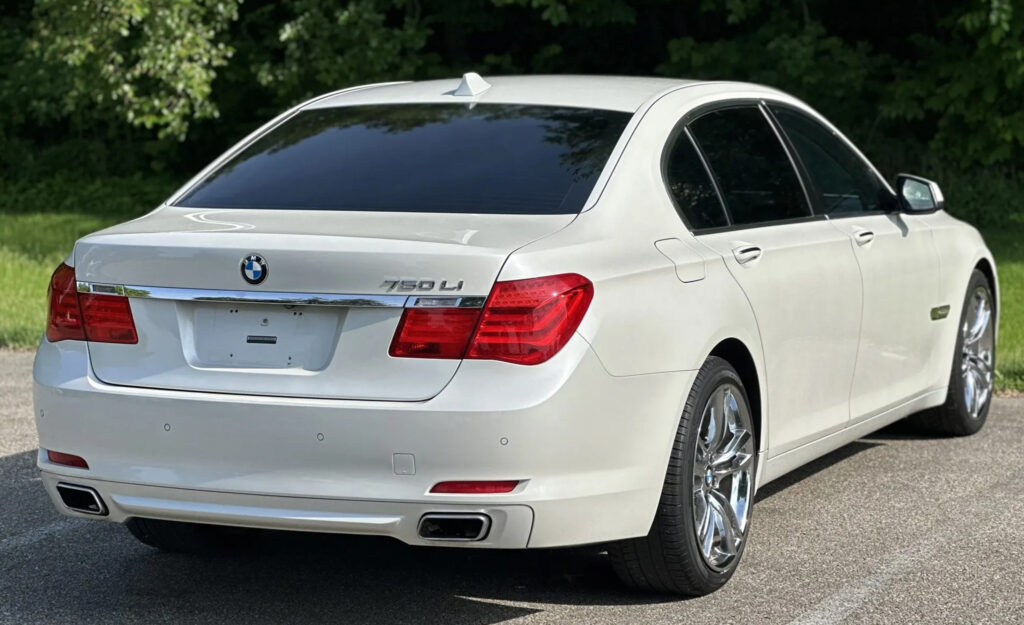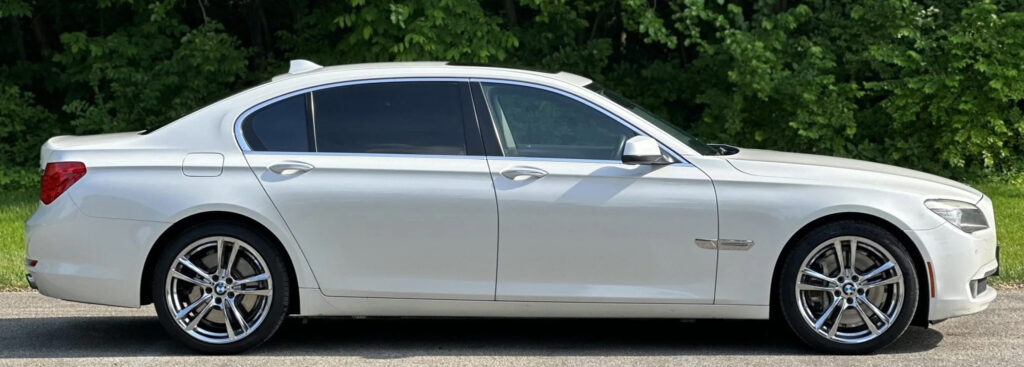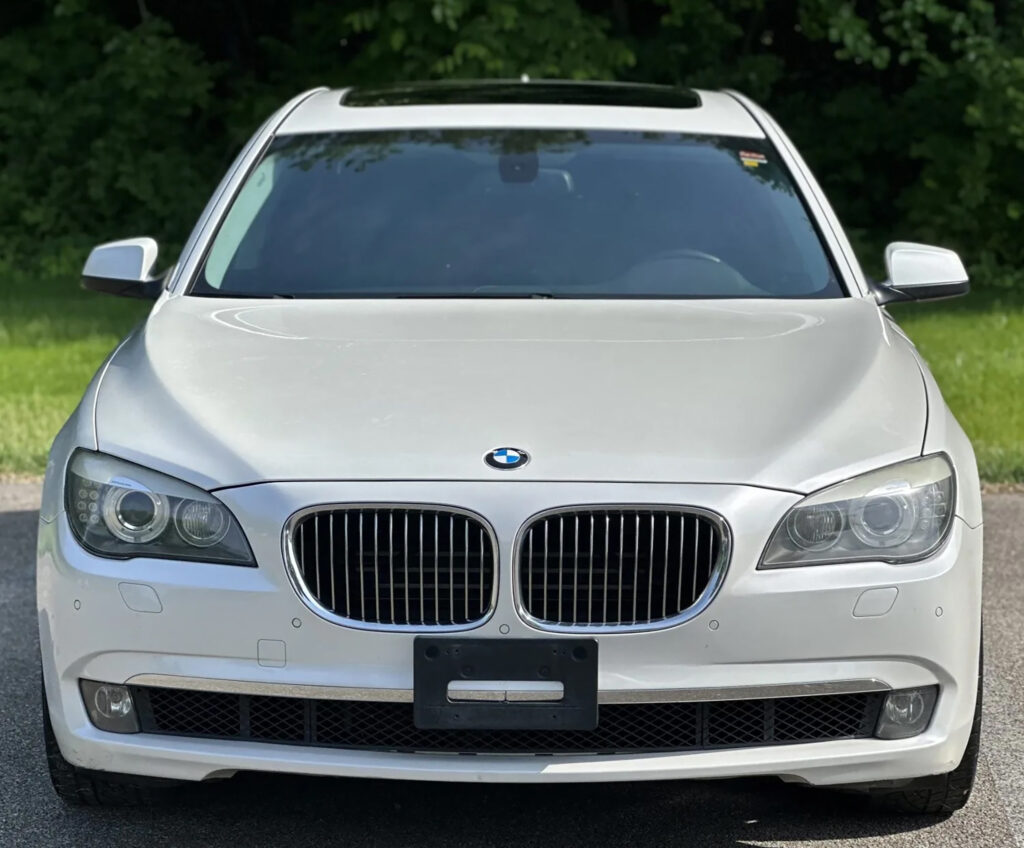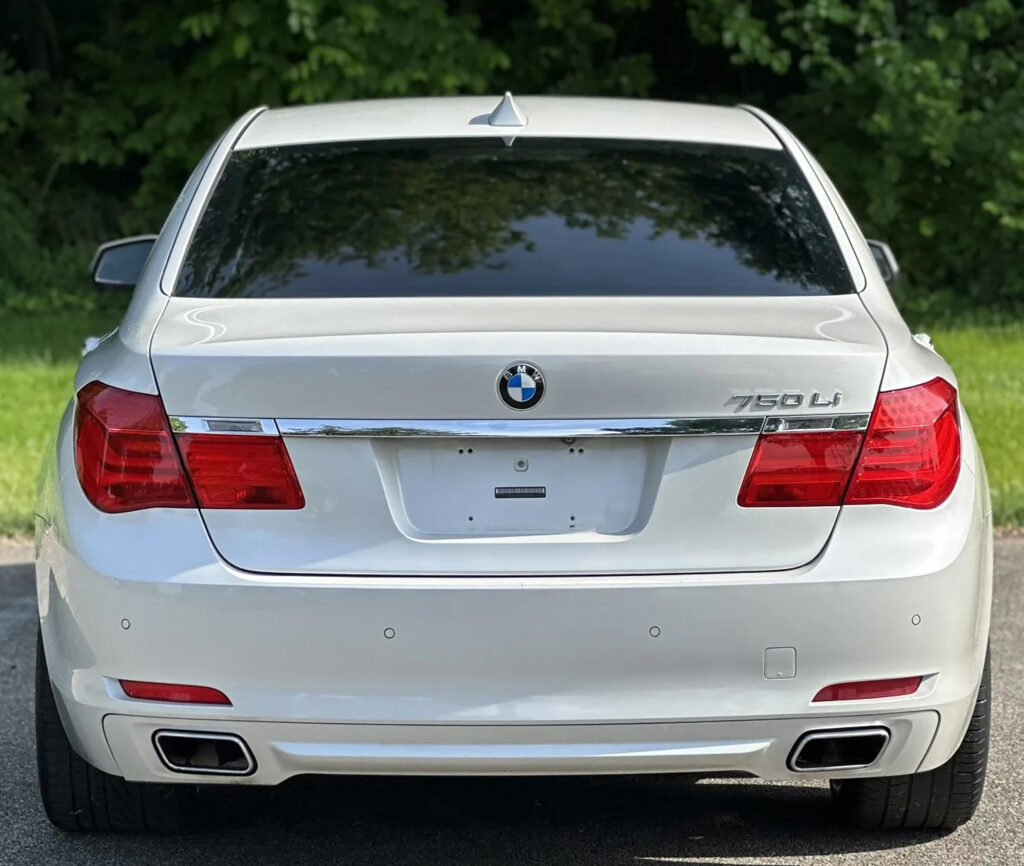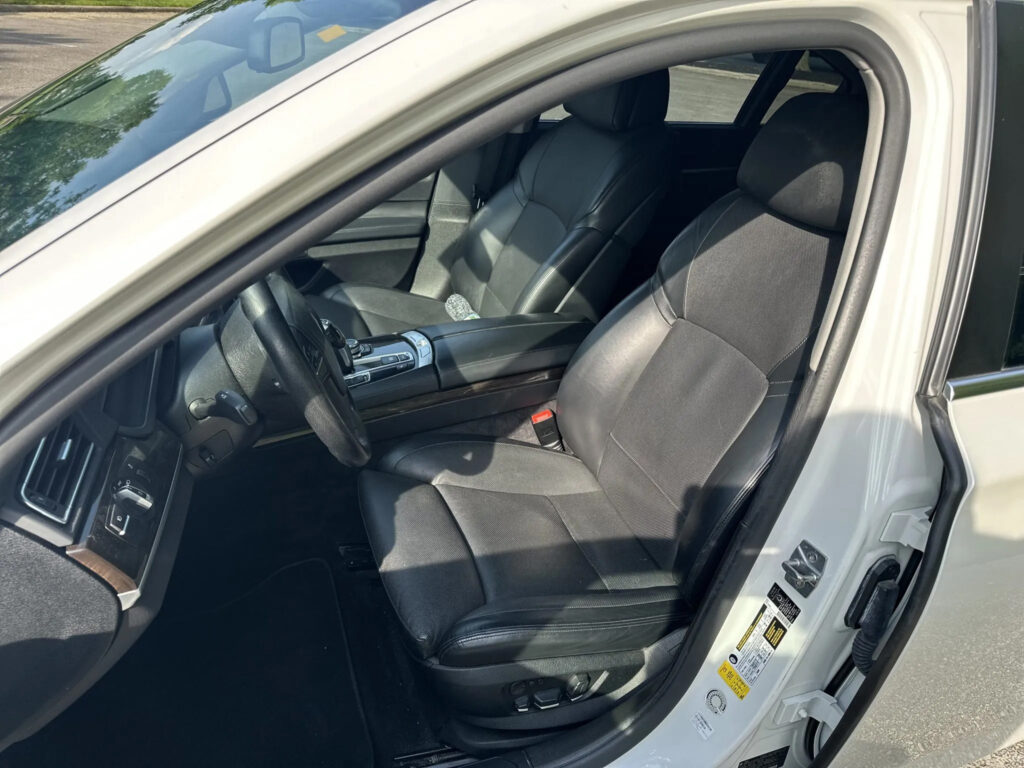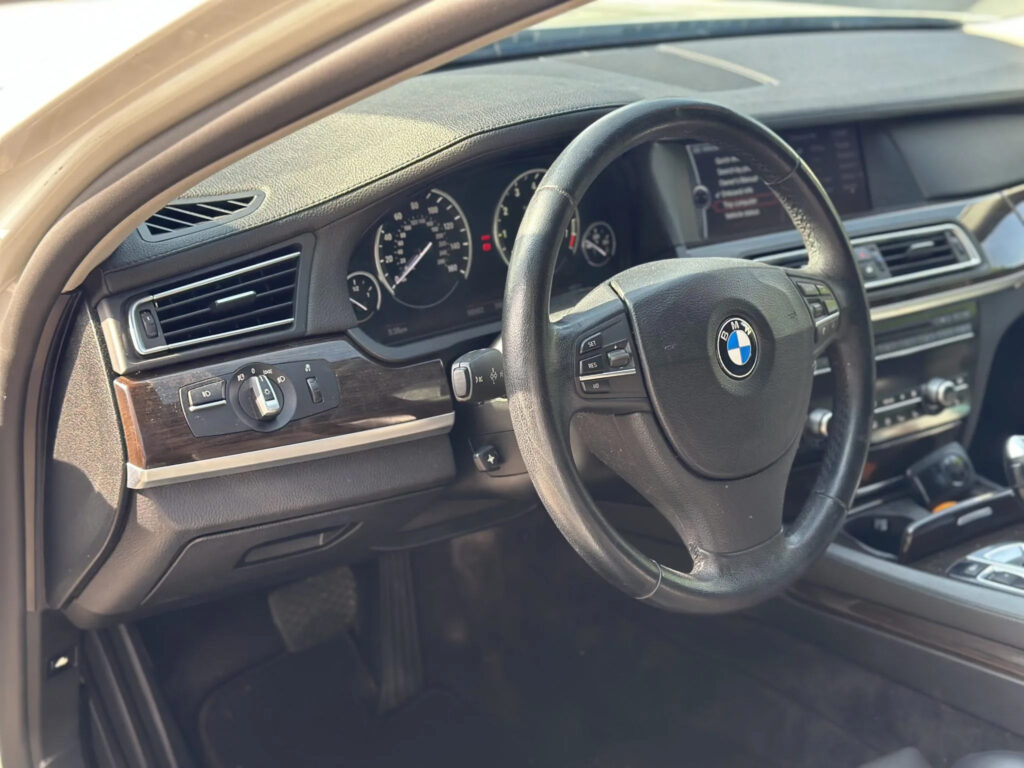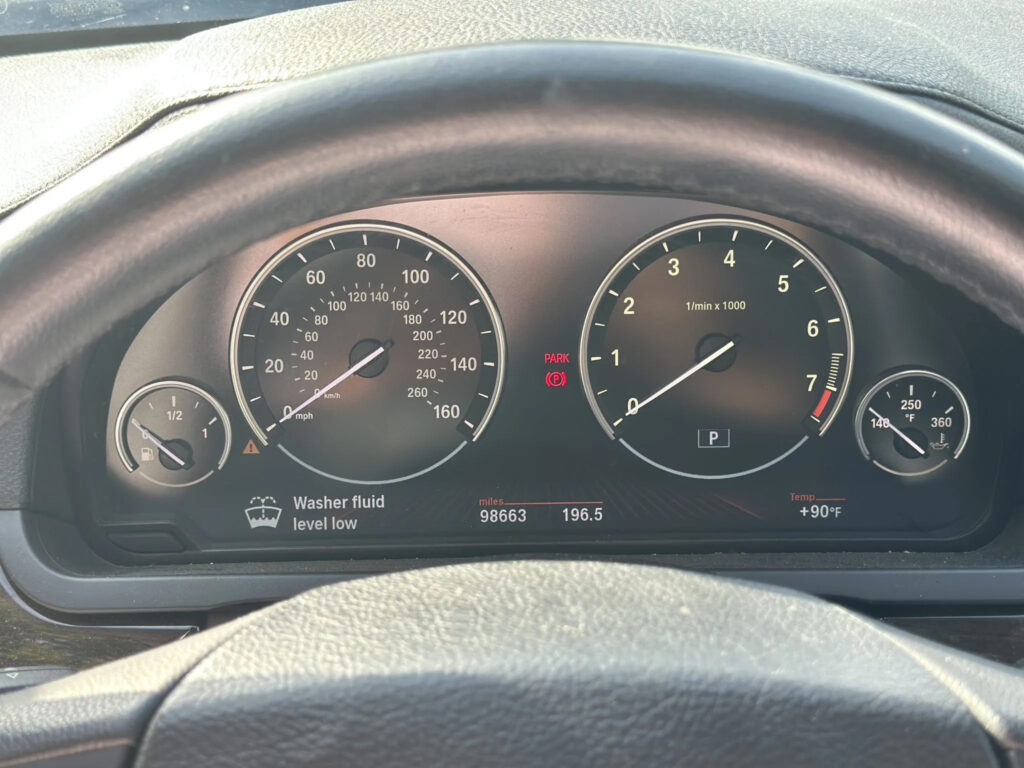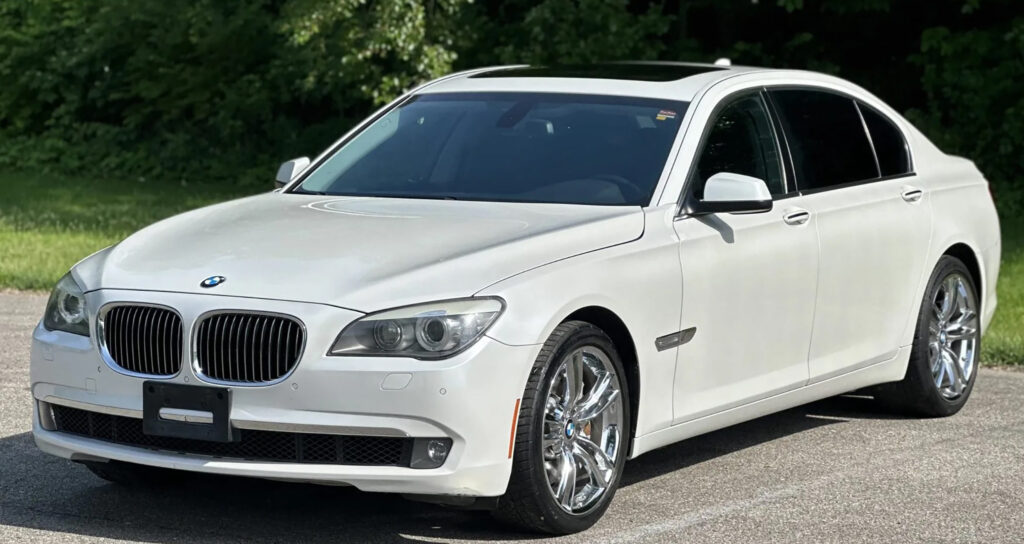
Among mass market automakers, very few brands offer flagship sedans designed to be the epitome of luxury and performance. Lexus has its LS, Mercedes-Benz its S-class, and BMW the 7-series. The latest incarnation of the latter is the all-new 2009 BMW 750Li. Signifying a major update, this 750Li starts a new internal body designation series, going from the previous E66 to F02 for this 2009 model.
As Lexus and Mercedes-Benz do with their flagships, BMW pours all of its technology into the 750Li. Because its competitors haven’t been updated in a few years, the 750Li gets to trump them with new tech features such as night vision with pedestrian recognition, dynamic traffic avoidance, lane departure warning, a head-up display, and a navigation system with topographic maps.
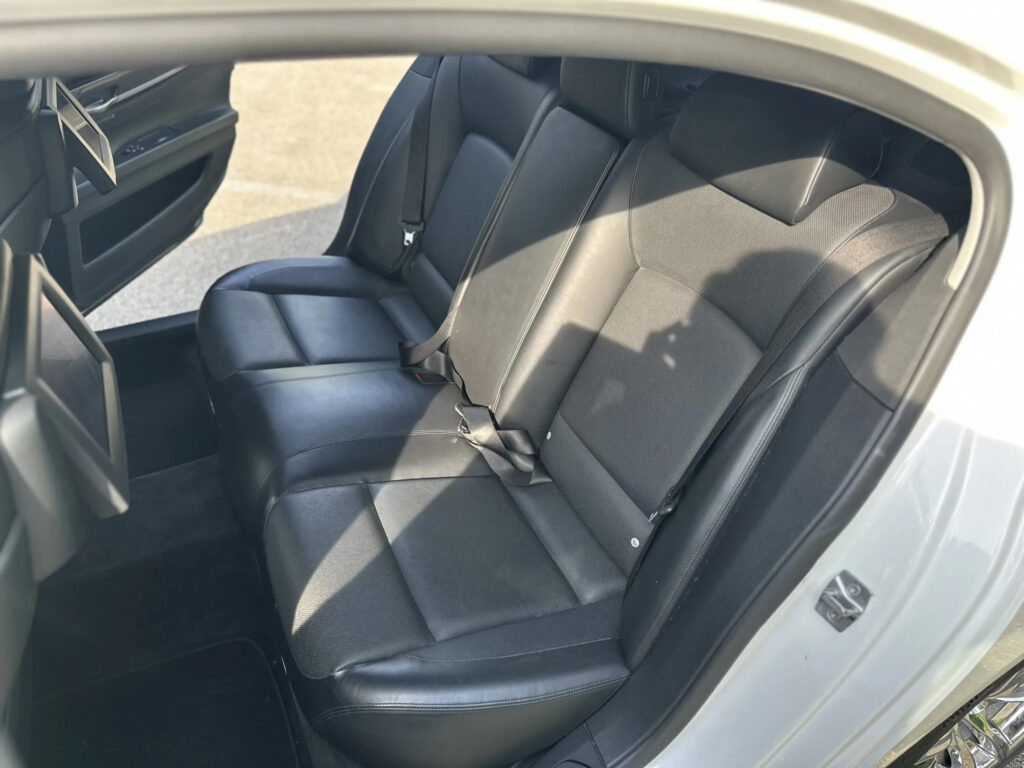
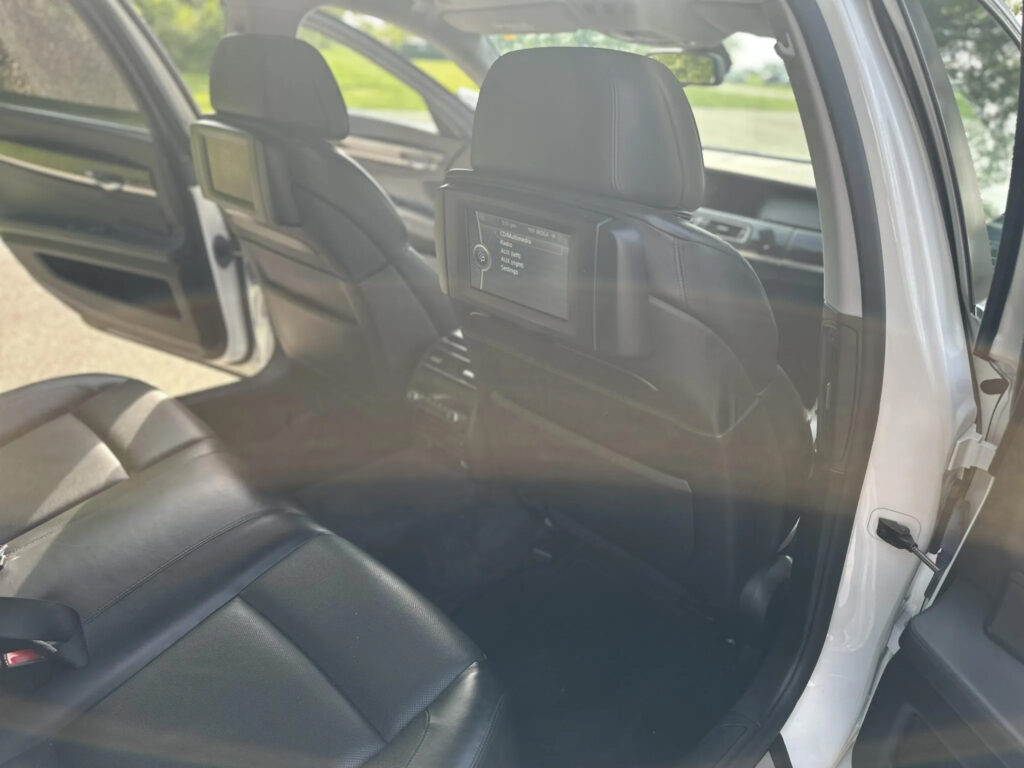
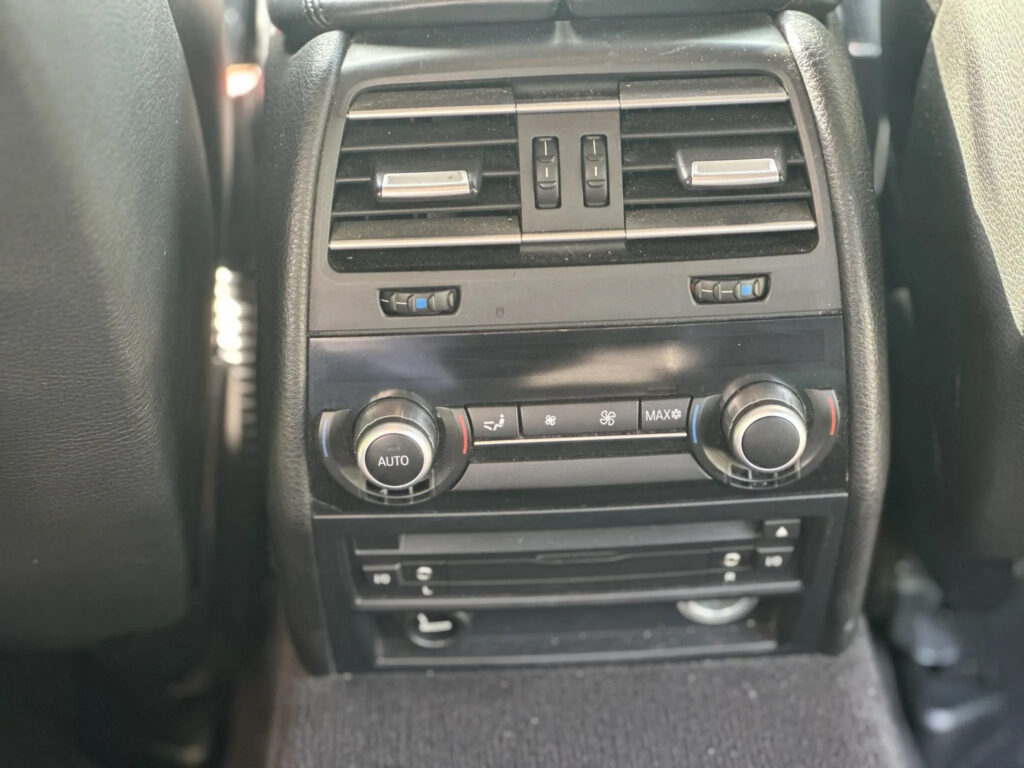
The L in the model name indicates a longer wheelbase than the standard model, with about extra 5 inches going to the back seat. Thus, it’s a good choice for a chauffer-driven car, made more attractive by a rear-seat entertainment system, rear-seat audio system control, little foot rests, and a refrigerator between the back seats. But although the 750Li is just over 17 feet long, it doesn’t look too big.
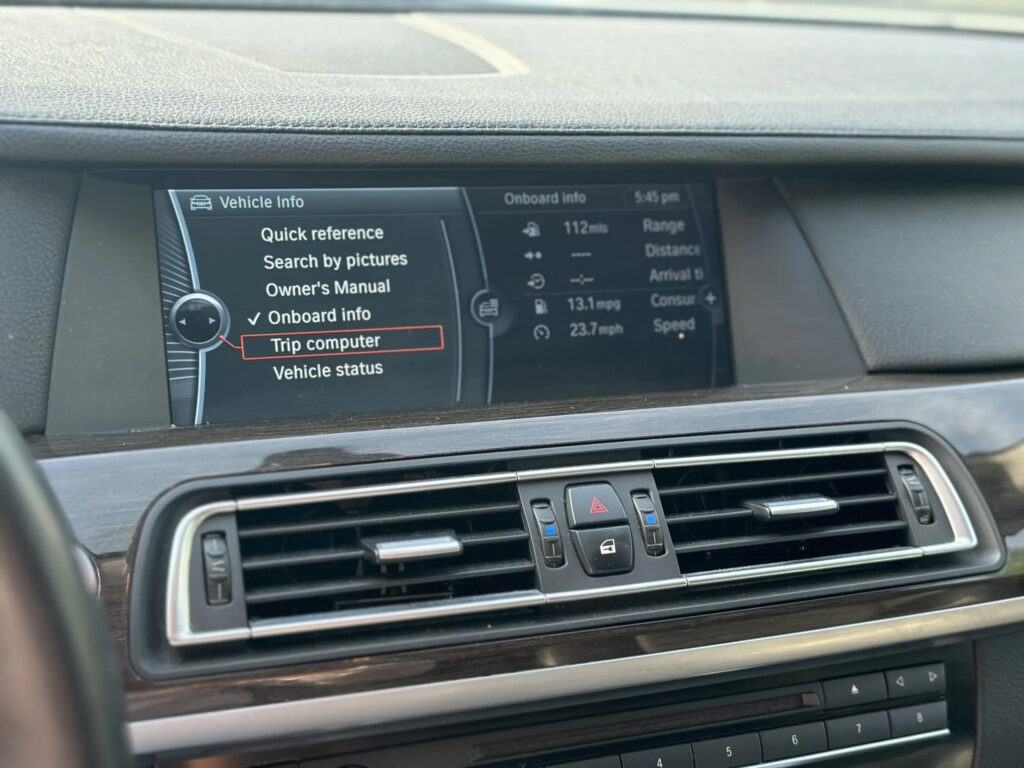
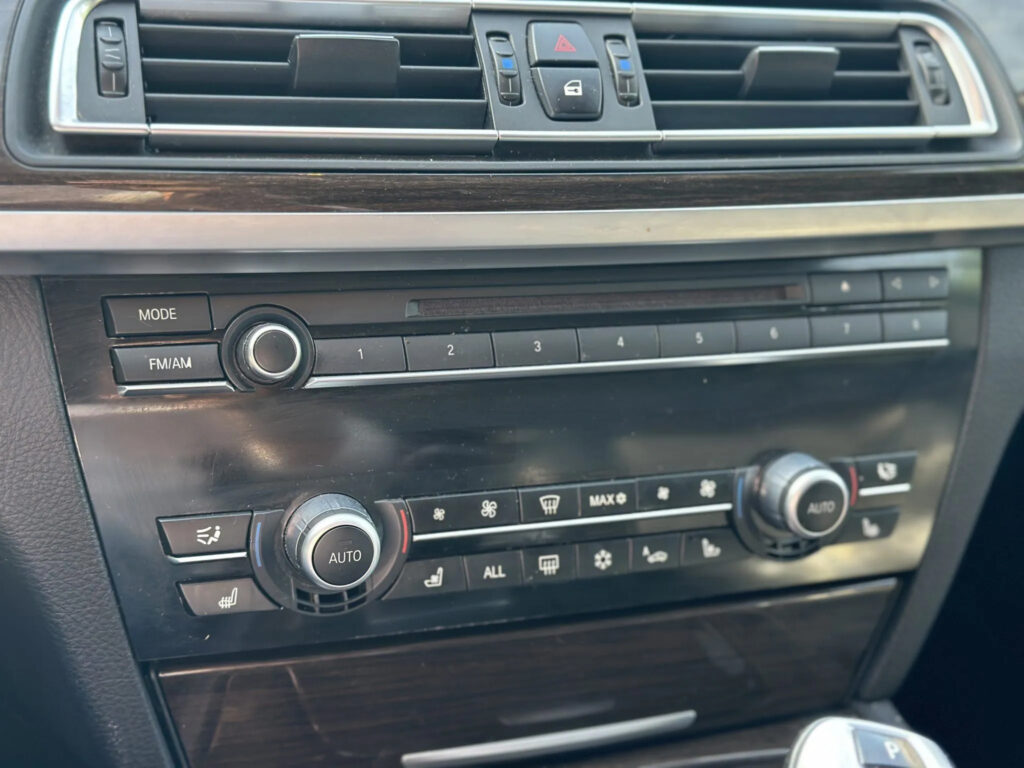
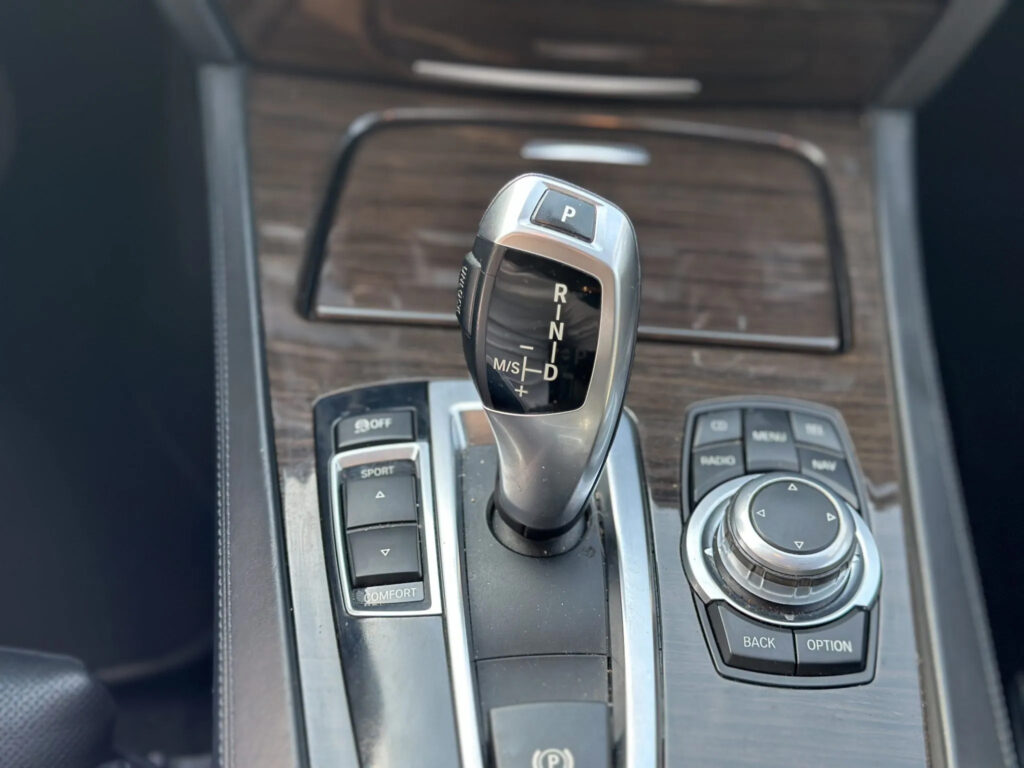
We spent most of our time in the front seat of this big 7–the proper place to be in a BMW. The most immediately noticeable update in the new 7-series is the iDrive system, a vast improvement over the old version. This new iDrive, which we previously saw in the BMW 335d, does away with the quadrant-style main menu in favor of a simple list. Although the main dial/joystick is similar to the old version, buttons have been added for quick access to navigation, audio, and phone screens. But it’s really the update to the software interface that makes all the difference, as it’s now much more intuitive.
And the new iDrive interface also means a full cabin tech upgrade, such as the hard-drive-based navigation system, which impresses with its beautiful 3D perspective topographic maps. We found the voice control system works very well for entering addresses, providing onscreen prompts for available commands at each step and recognizing full street names as we spoke them.
Once on the road, our car’s optional head-up display provided excellent route guidance, projecting turn directions and street names on the windshield. The only drawback with this system is its lack of text-to-speech. As the 750Li guided us on our route, the navigation system, with its live traffic reporting, kept us advised of traffic jams ahead, finding detours as needed.
BMW has always had a hard time with true luxury, as the company is more sport-focused and this is reflected in the ride quality of the 750Li. With the suspension set in comfort mode, it’s still not quite as smooth as the Mercedes-Benz S550. But in keeping with BMW’s other models, the 750Li has multiple personalities. Buttons on the console let you cycle through four different modes, Comfort, Normal, Sport, and Sport Plus, which govern not only the suspension rigidity, but throttle response as well.
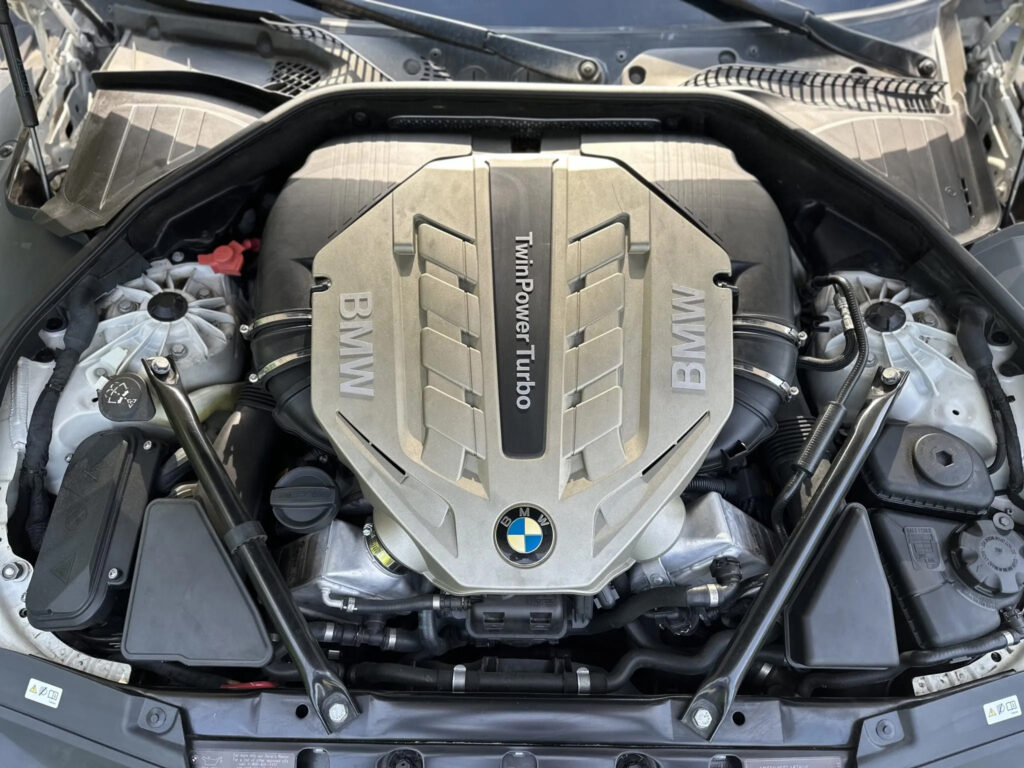
Finding a nice, straight bit of road, we try a few fast starts using the different modes. BMW claims 5.3 seconds to 62 mph, and we were expecting an impressive push from the new power train, a 4.4-liter V-8 fitted with twin turbochargers. Similar to the twin-turbocharger BMW developed for its 3-liter inline six-cylinder engine, this V-8’s turbochargers are small and fit between the two banks of cylinders in the V. Spooling up just above the engine’s idle speed, they are not supposed to cause turbo-lag.
But stomping the gas pedal to get a fast start, the 750Li doesn’t take off like a rocket, instead hesitating a little before a rapid speed build-up. It’s a big car, weighing over 4,500 pounds, so it’s not surprising that the engine can’t overcome its inertia immediately. But once it’s rolling, the engine’s 407 horsepower and 442 pound-feet of torque get the car moving fast. The car’s Sport Plus mode actually loosens up the traction control, but even that wasn’t enough to break the tires’ grip on the asphalt.
Driving on the freeway in light traffic, we turn on the 750Li’s adaptive cruise control, and watch as it changes speeds to match the car in the lane ahead. The switchgear for the adaptive cruise control, set into the left spoke of the steering wheel, is very intuitive to use and lets you set the following distance. This system is also tied into a collision warning system, which flashes red on the windshield as a slowdown on the freeway causes the adaptive cruise control to brake hard.
When we feel like having some input in the drive and choose to change lanes, blind spot sensors light up little amber lights in the side mirror casings if a car is off either rear quarter of the 750Li. Unfortunately, these lights are small, and not very bright, which sort of defeats the purpose of a warning signal. The 750Li is also equipped with a lane departure warning system, which vibrates the steering wheel when the car crosses a lane line without signaling. This system does an excellent job of recognizing lane lines, and the warning is certainly noticeable.
The night vision system isn’t as useful as that found in the Mercedes-Benz S550. Whereas the S550 places the forward display on the instrument cluster, BMW puts its night vision display on its LCD, which isn’t as convenient for a quick glance while driving on dark roads. The pedestrian detection was somewhat successful, identifying individual people on the screen. But it doesn’t identify groups of people or bicyclists.
With its driver aid technology and updated cabin gadgets, the 2009 BMW 750Li is an impressive tech barge. Add to that its different settings for ride and power-train response and the new twin-turbo V-8, and there’s almost too much going on with this car on the tech front. But we can never get enough tech, so the 750Li leaves us awestruck.
| type | Series Production Car |
| built at | Dingolfing, Germany |
| engine | N63B44 90º V8 |
| position | Front, Longitudinal |
| aspiration | Twin Turbo |
| valvetrain | DOHC, 4 Valves per Cyl |
| displacement | 4395 cc / 268.20 in³ |
| bore | 88.3 mm / 3.5 in |
| stroke | 89.0 mm / 3.5 in |
| compression | 10.0:1 |
| power | 300 kw / 402.3 bhp @ 5500 rpm |
| specific output | 91.54 bhp per litre |
| bhp/weight | 195.77 bhp per tonne |
| torque | 600 nm / 442.5 ft lbs @ 1750 rpm |
| redline | 7000 |
| body / frame | Unitary Steel Monocoque |
| driven wheels | RWD |
| front tires | 245/50R18 100Y RSC |
| rear tires | 245/50R18 100Y RSC |
| front brakes | Ventilated Discs w/Single-Piston Swing Calipers, Brake Energy Regeneration |
| f brake size | 36 x 374 mm / 1.4 x 14.7 in |
| rear brakes | Ventilated Discs w/Single-Piston Fixed Calipers, Brake Energy Regeneration |
| r brake size | 24 x 370 mm / 0.9 x 14.6 in |
| front wheels | F 45.7 x 20.3 cm / 18 x 8 in |
| rear wheels | R 45.7 x 20.3 cm / 18 x 8 in |
| steering | Rack & Pinion w/Varioserv Assist |
| f suspension | Strut Arms |
| r suspension | Multi-Arm |
| curb weight | 2055 kg / 4531 lbs |
| wheelbase | 3210 mm / 126.4 in |
| front track | 1611 mm / 63.4 in |
| rear track | 1650 mm / 65.0 in |
| length | 5212 mm / 205.2 in |
| width | 1902 mm / 74.9 in |
| height | 1478 mm / 58.2 in |
| transmission | ZF 6HP26 6-Speed Automatic |
| gear ratios | 4.17:1, 2.34:1, 1.52:1, 1.14:1, 0.87:1, 0.69:1 |
| final drive | 2.813:1 |
| top speed | ~250 kph / 155.25 mph |
| 0 – 100 kph | ~5.3 seconds |
| urban fuel econ eu | 16.4 L/100 km or 14.34 mpg-us |
| extra urban fuel econ eu | 8.5 L/100 km or 27.67 mpg-us |
| combined fuel econ eu | 11.4 L/100 km or 20.63 mpg-us |
| emission | 266 g/km |