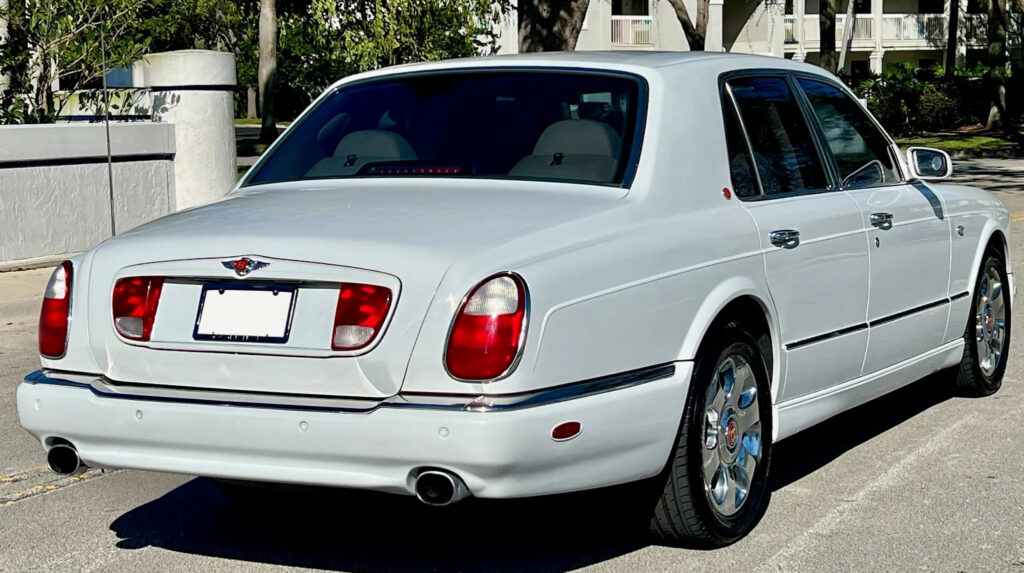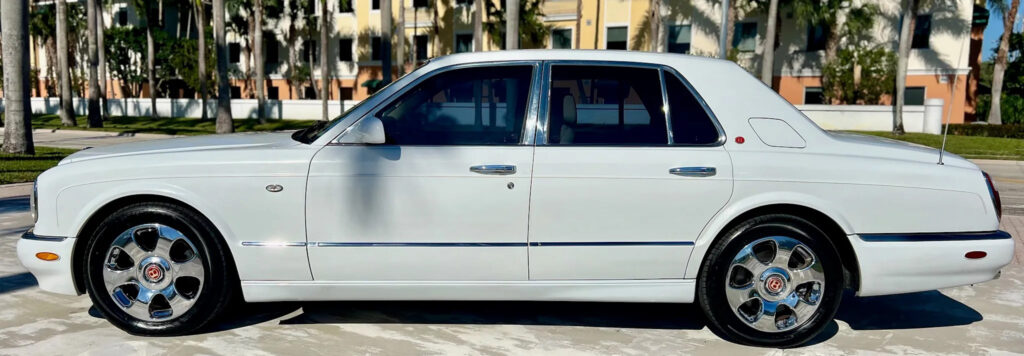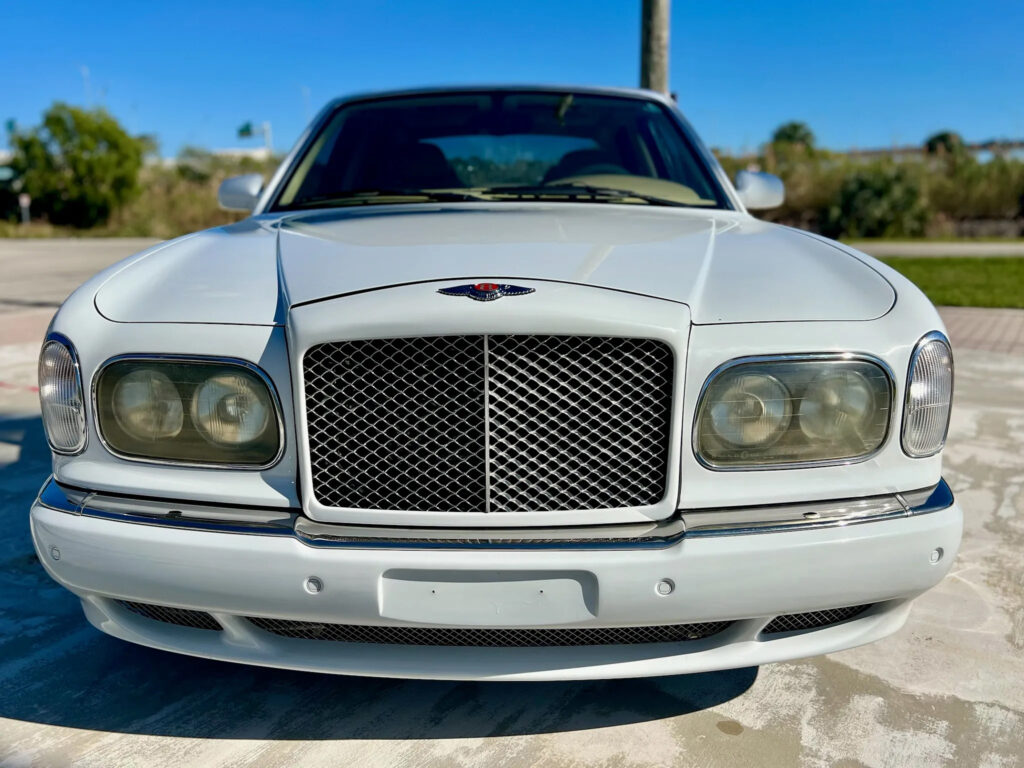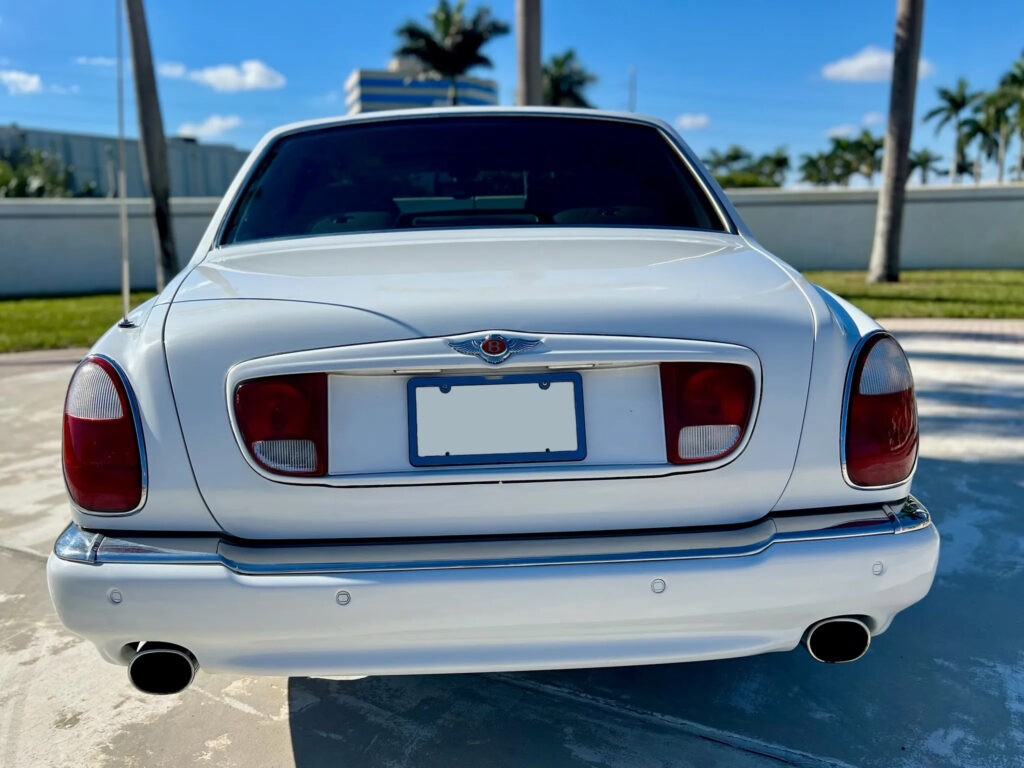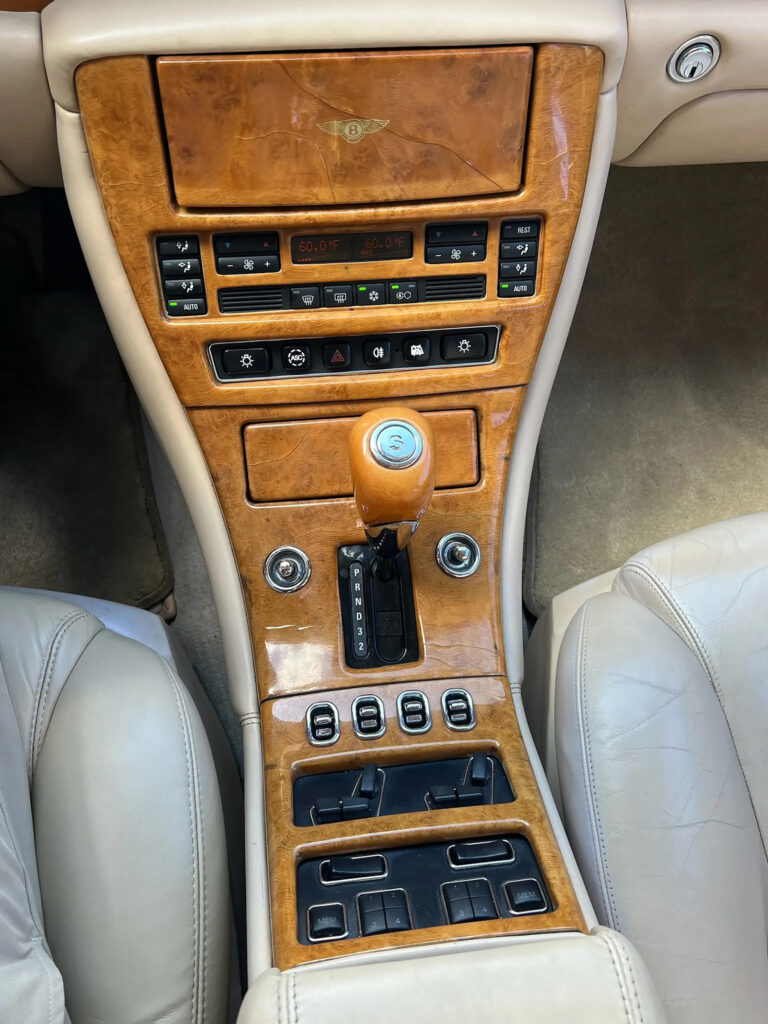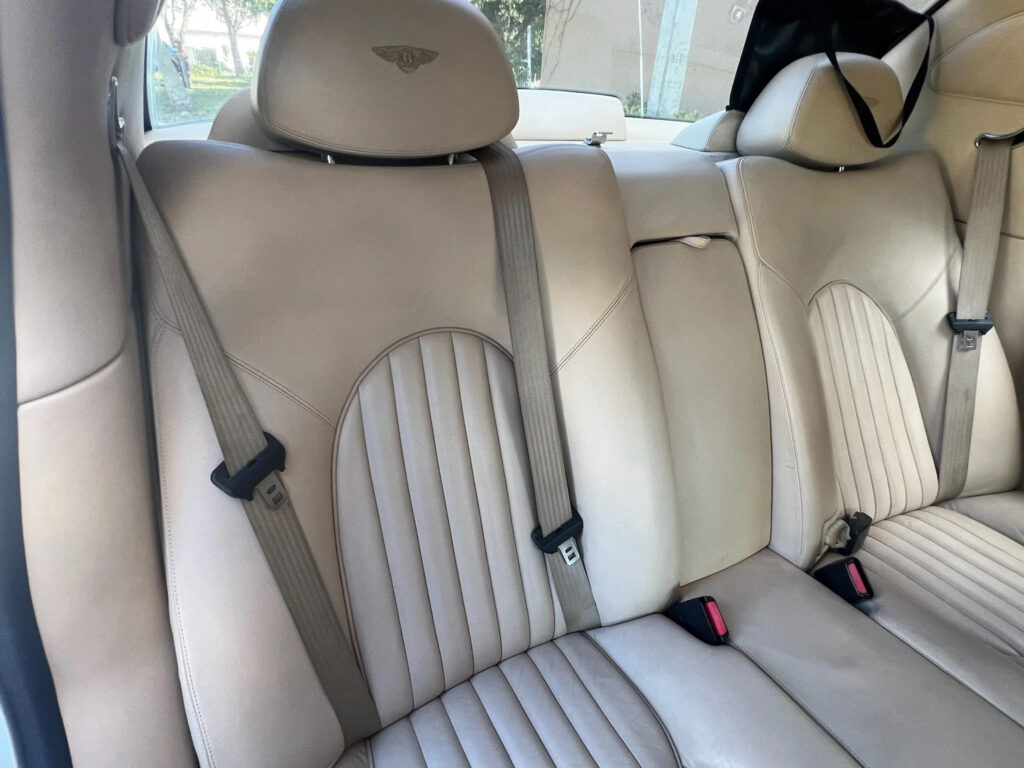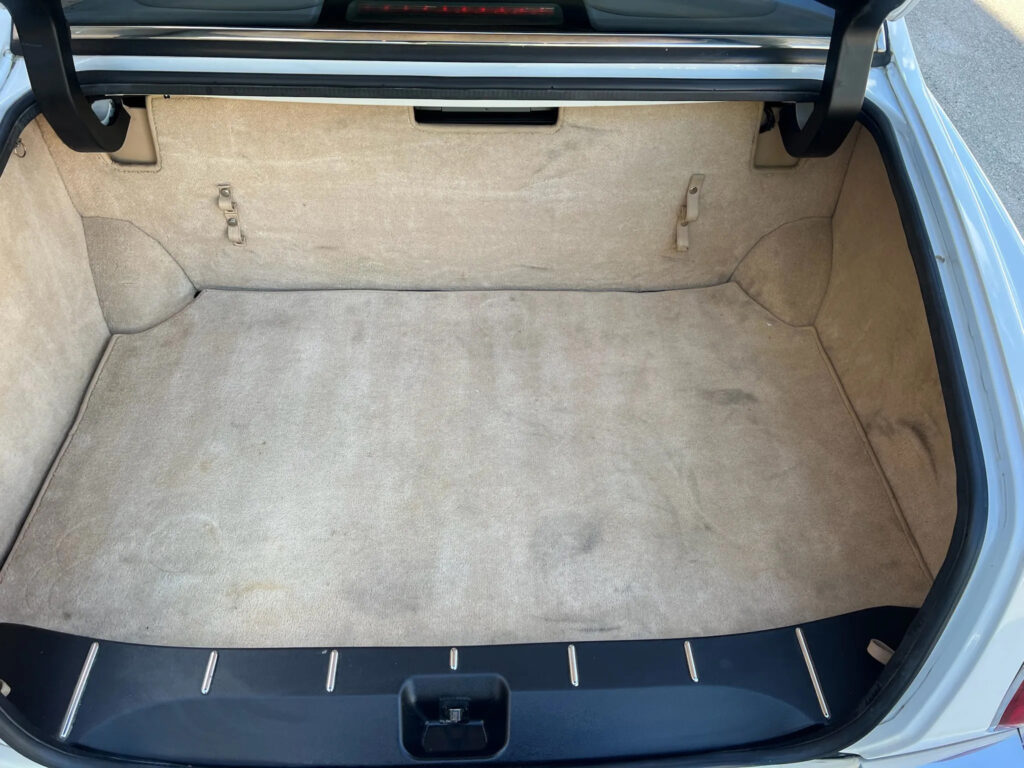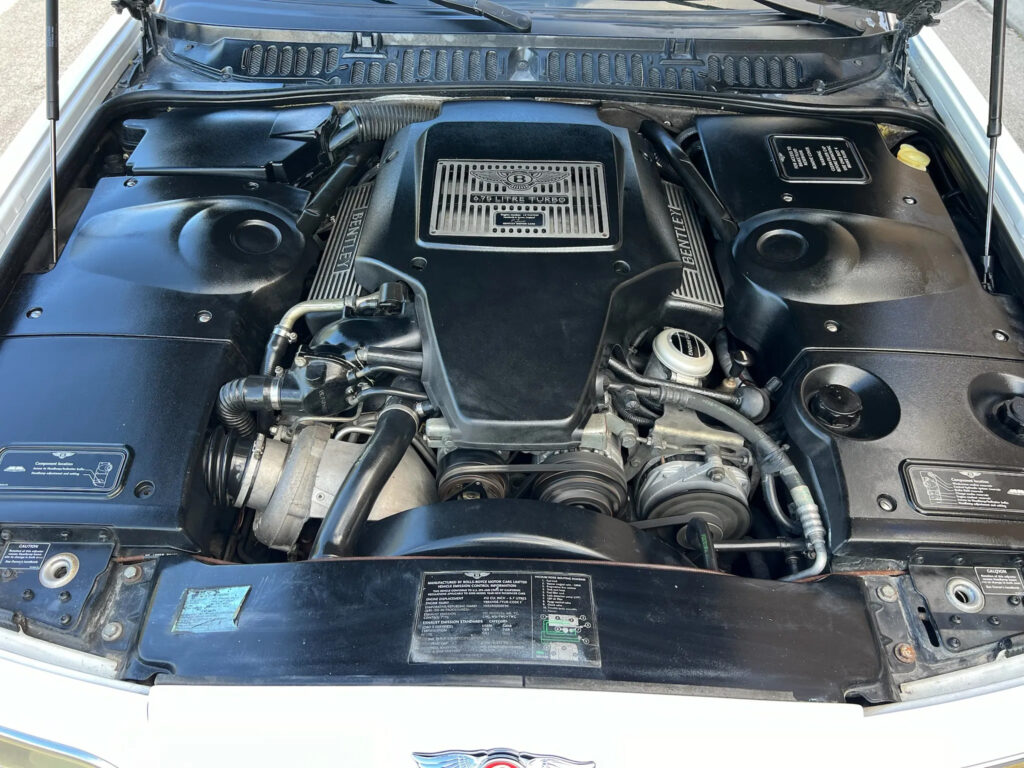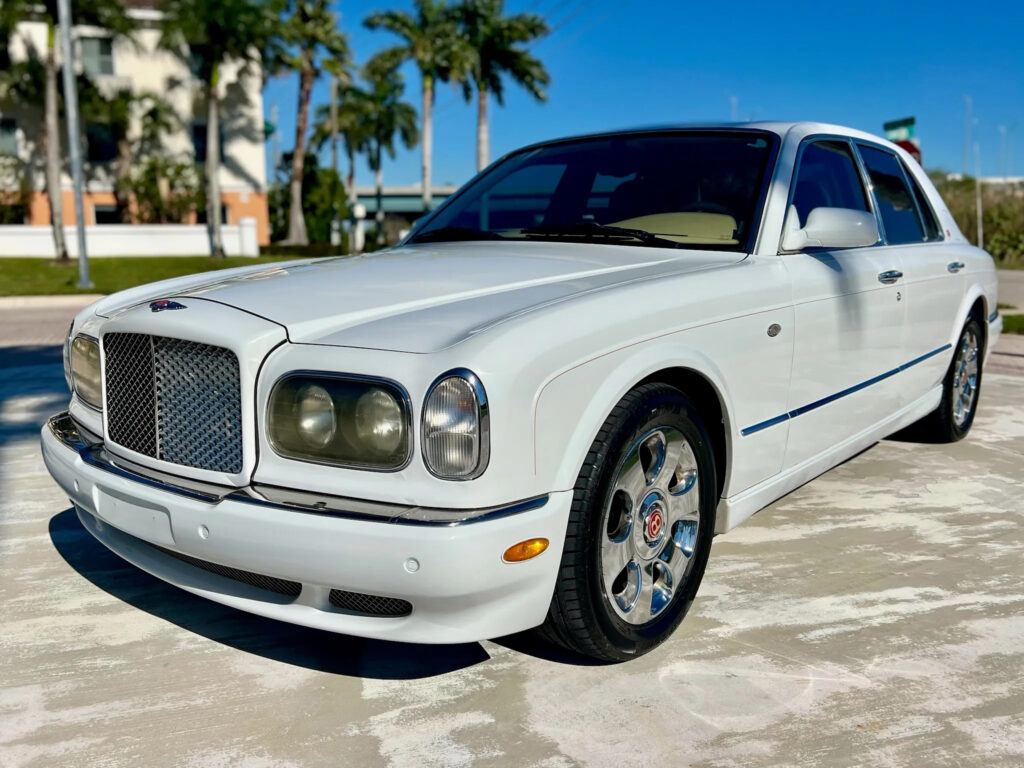
During the takeover battle in 1998 between BMW and Volkswagen Group for ownership of Rolls-Royce and Bentley Motors, BMW had threatened to stop supply of their engines if Volkswagen Group won. While the threat was later withdrawn in conjunction with BMW acquiring the right to manufacture Rolls-Royce automobiles at a new location, it was clear that Volkswagen could not accept the business and reputation risks associated with having their rival as a long-term business partner. Furthermore, customers were uncertain about engine and part availability (of which there turned out to be no issue) and orders for new cars dropped precipitously. Volkswagen’s response was to adapt the old 16-valve, 6.75-litre pushrod engine from the (Mulsanne) Turbo R for the Arnage body, which had been designed for the smaller and much lighter BMW 32-valve V8. Coupled with an outdated 4-speed automatic gearbox from General Motors, the engine was extremely thirsty, and would not meet government-imposed emissions standards without hasty modifications. The revised version of the car was launched as the Arnage Red Label in October 1999. At the same time, but without fanfare, Bentley made several minor modifications to the original BMW engined cars, and designated them as the “Arnage Green Label” for the 2000 model year. The most important modifications, to both Red and Green Label cars, gave them stiffer body-shells, and larger wheels and brakes. Both the stiffer body-shells and the larger brakes were necessitated by the extra heft of the large old British engine. Despite the larger brakes, braking performance worsened with the extra weight of the 6.75 engine. The braking performance of the 1999 Green Label from 113–0 km/h was 172 feet (52 m) while the later Arnage T’s performance was 182 feet (55 m) from the same speed. Revisions included:
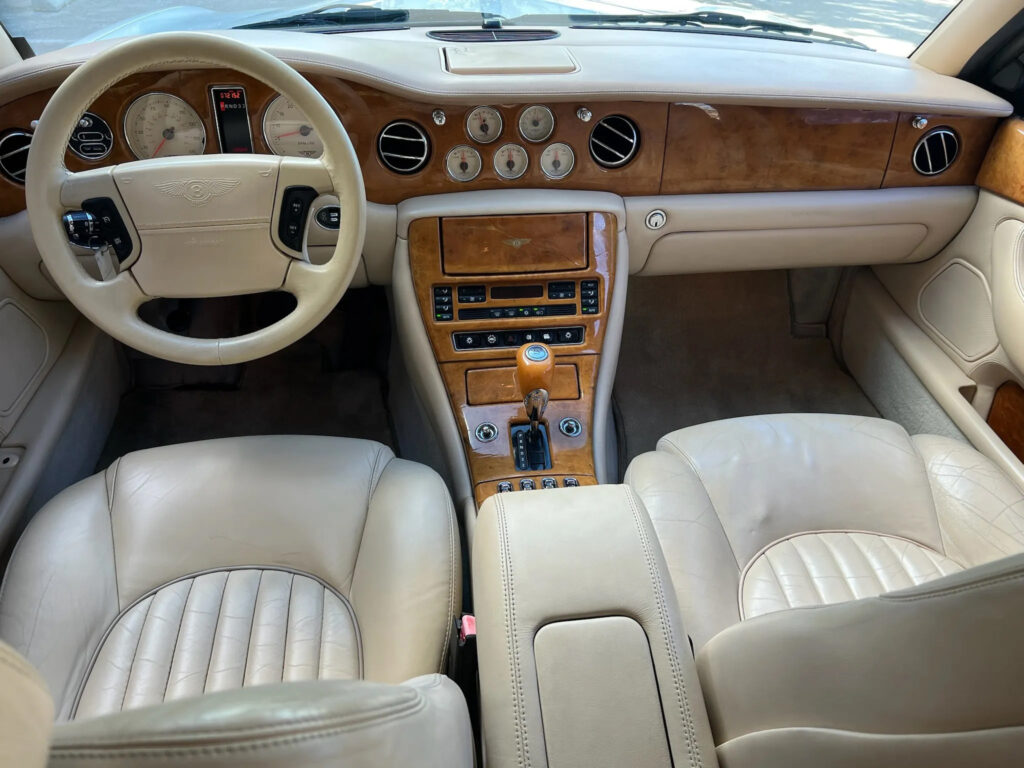
- Standard Alpine pop up navigation system.
- Park distance control to the front and rear.
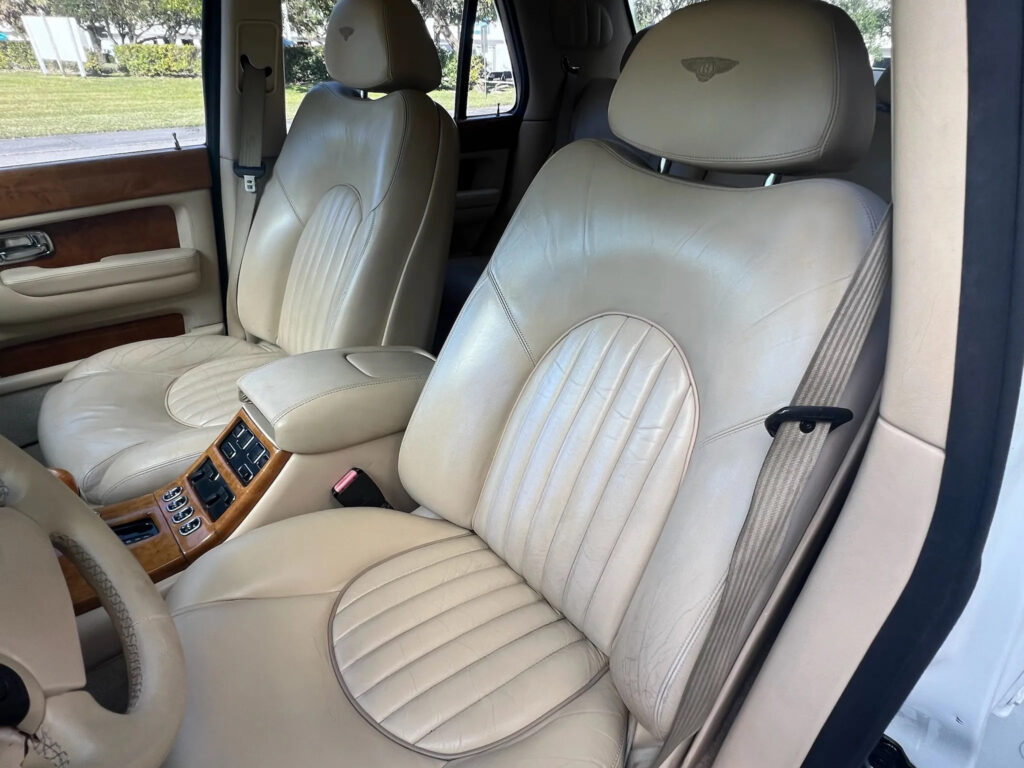
- Increased rear seat leg room (by modifying the design of the front seatbacks).
- Power folding exterior mirrors.
- Modifications to the steering rack to reduce steering effort at low speeds.
The glass headlight lens covers (1998–99) were revised to plastic (2000 on).
| engine | Turbocharged V8 |
| valvetrain | SOHC 2 Valves / Cyl |
| displacement | 6750 cc / 411.9 in³ |
| bore | 104.1 mm / 4.1 in |
| stroke | 96 mm / 3.78 in |
| compression | 8.0:1 |
| power | 298.3 kw / 400.0 bhp @ 4000 rpm |
| specific output | 59.26 bhp per litre |
| bhp/weight | bhp per tonne |
| torque | 839.3 nm / 619.0 ft lbs @ 2150 rpm |
| body / frame | Unit Steel |
| driven wheels | Front Engine / RWD |
| front tires | F 255/50R-18 |
| rear tires | R 255/50R-18 |
| front brakes | Vented Discs w/Hydraulic Assist & ABS |
| f brake size | x 348 mm / x 13.7 in |
| rear brakes | Vented Discs |
| r brake size | x 345 mm / x 13.6 in |
| front wheels | F 45.7 x 20.3 cm / 18.0 x 8.0 in |
| rear wheels | R 45.7 x 20.3 cm / 18.0 x 8.0 in |
| steering | Speed Sensitive Rack & Pinion w/Power Assist |
| curb weight | 2520 kg / 5556 lbs |
| wheelbase | 3366 mm / 132.5 in |
| front track | 1602 mm / 63.1 in |
| rear track | 1602 mm / 63.1 in |
| length | 5640 mm / 222.0 in |
| width | 2125 mm / 83.7 in |
| height | 1515 mm / 59.6 in |
| transmission | GM 400 4-Speed Auto |
| gear ratios | 2.48:1, 1.48:1, 1.00:1, 0.75:1, :1 |
| final drive | 2.69:1 |
| top speed | ~249.4 kph / 155.0 mph |
| 0 – 60 mph | ~5.9 seconds |
| 0 – 100 mph | ~15.4 second |