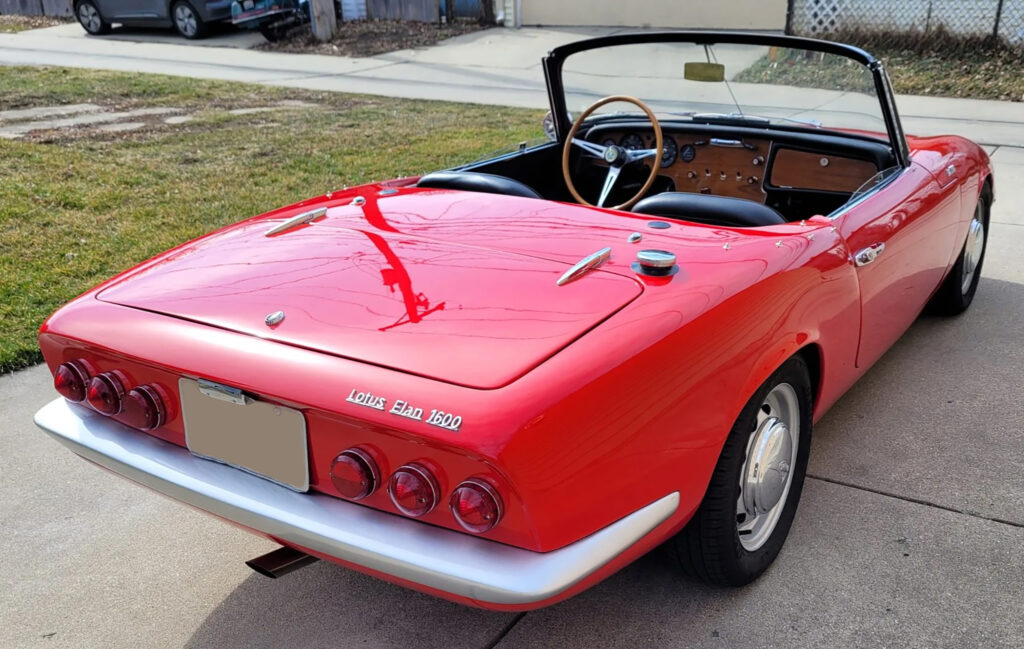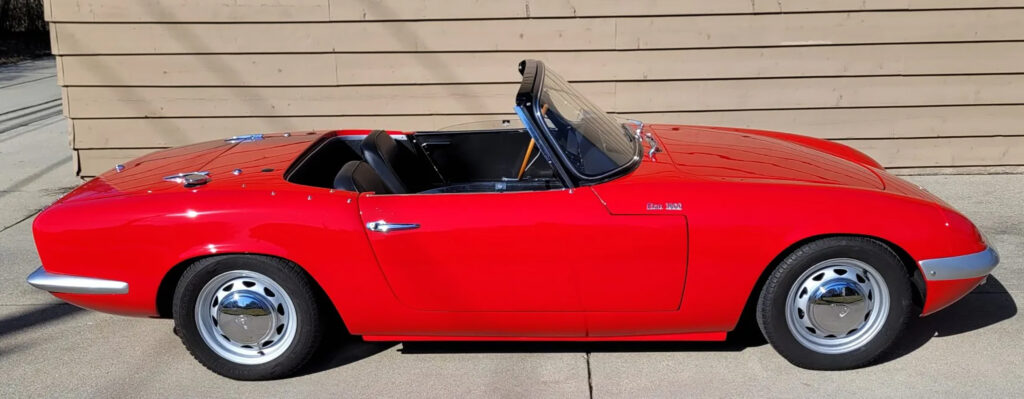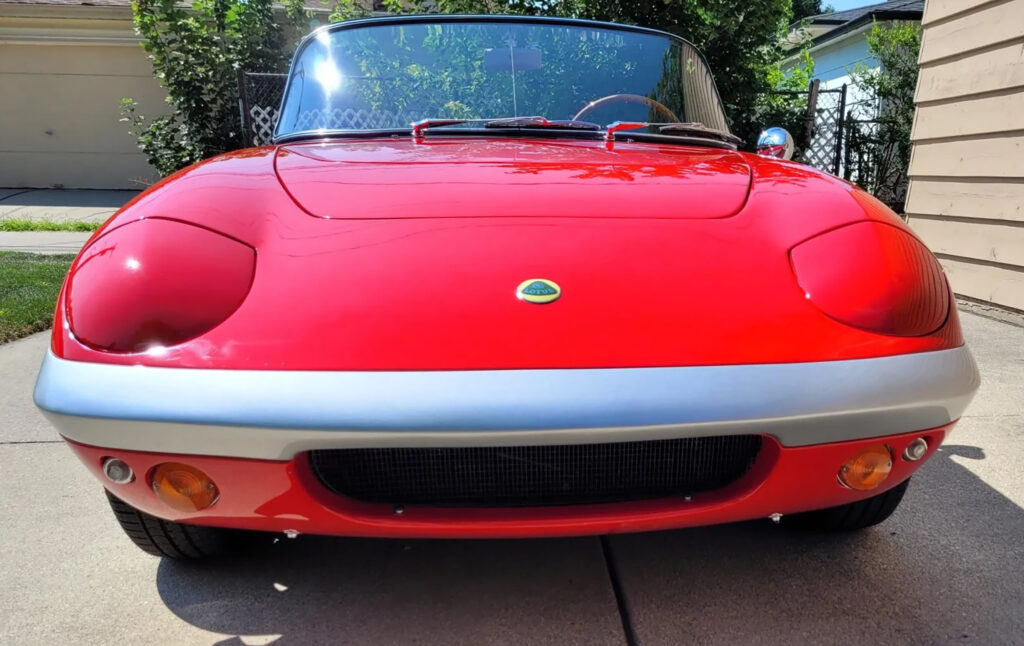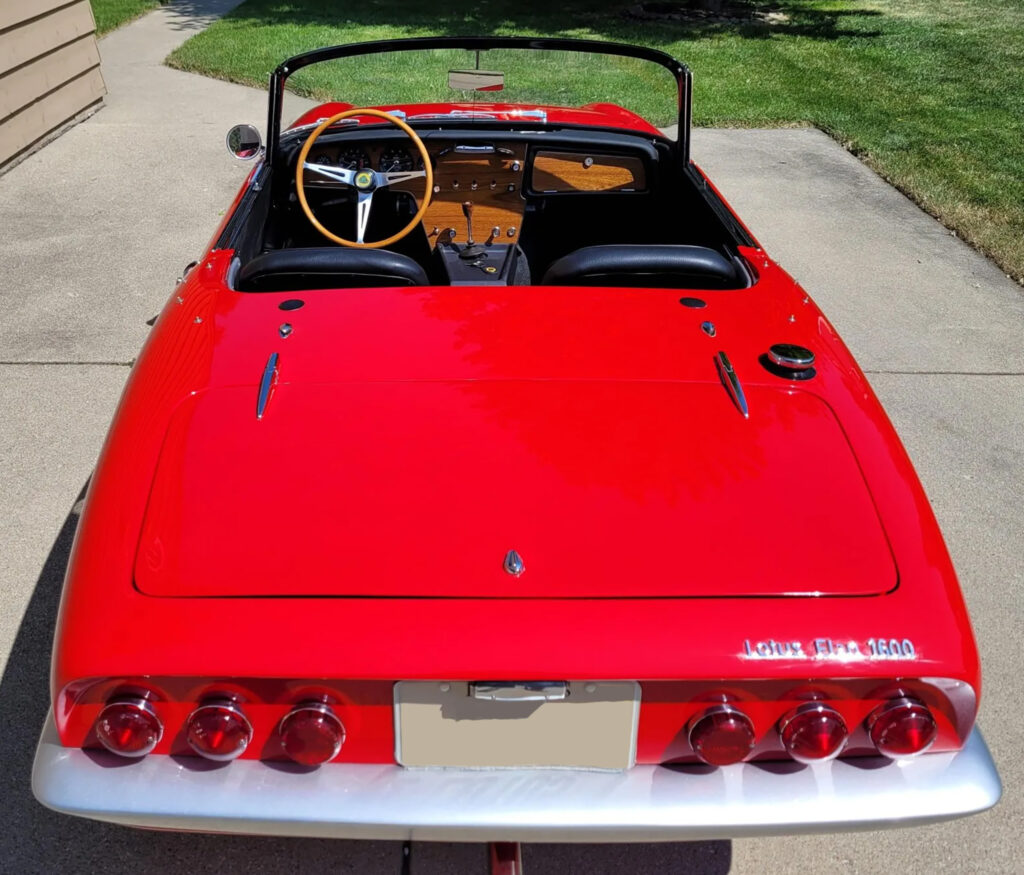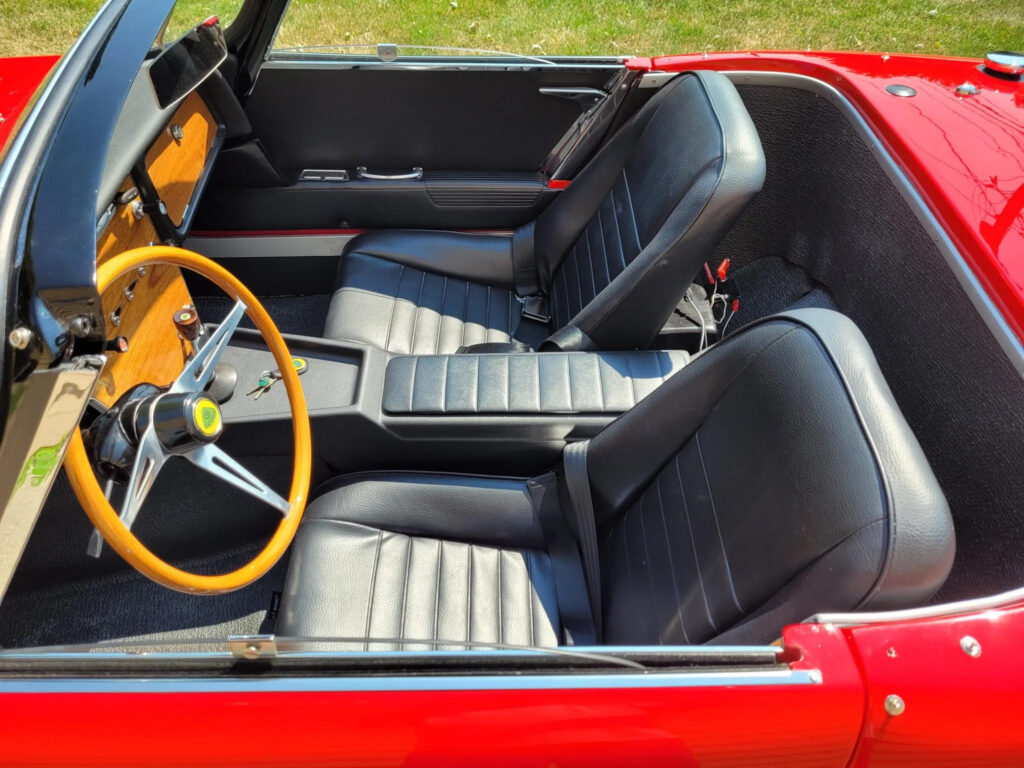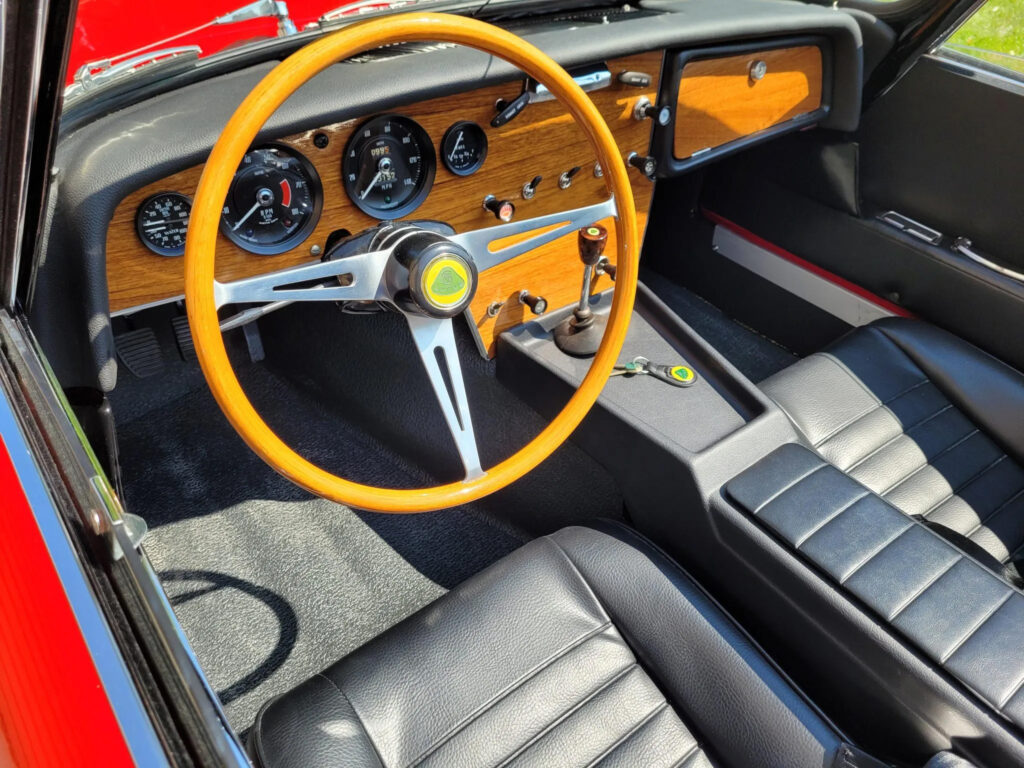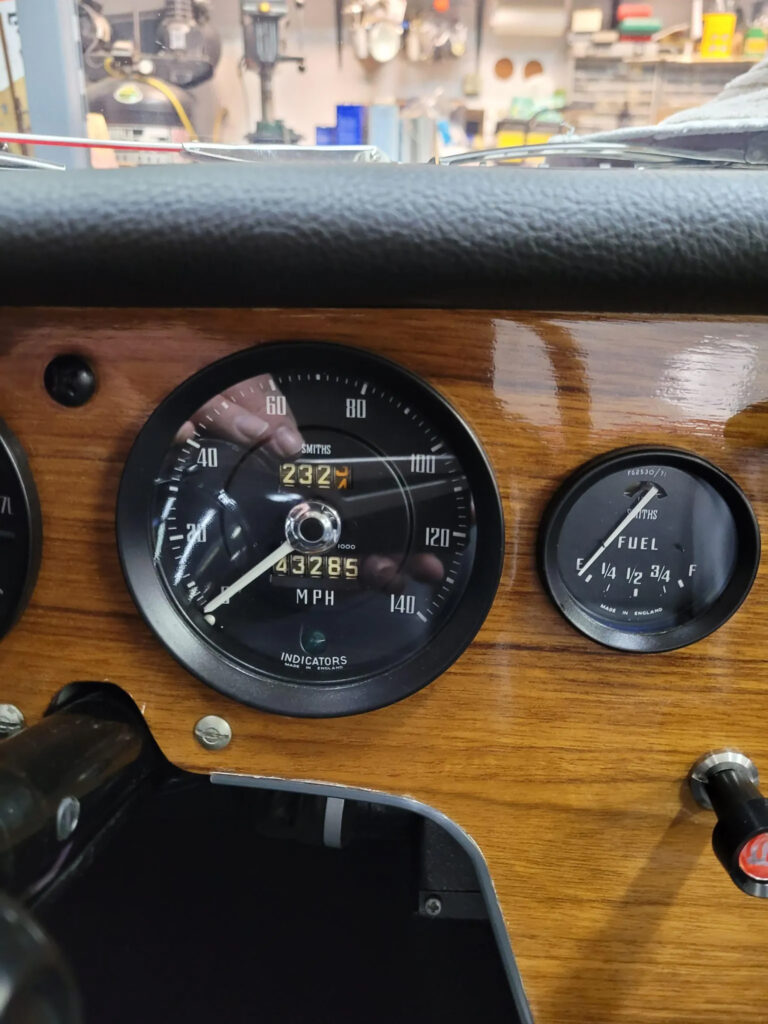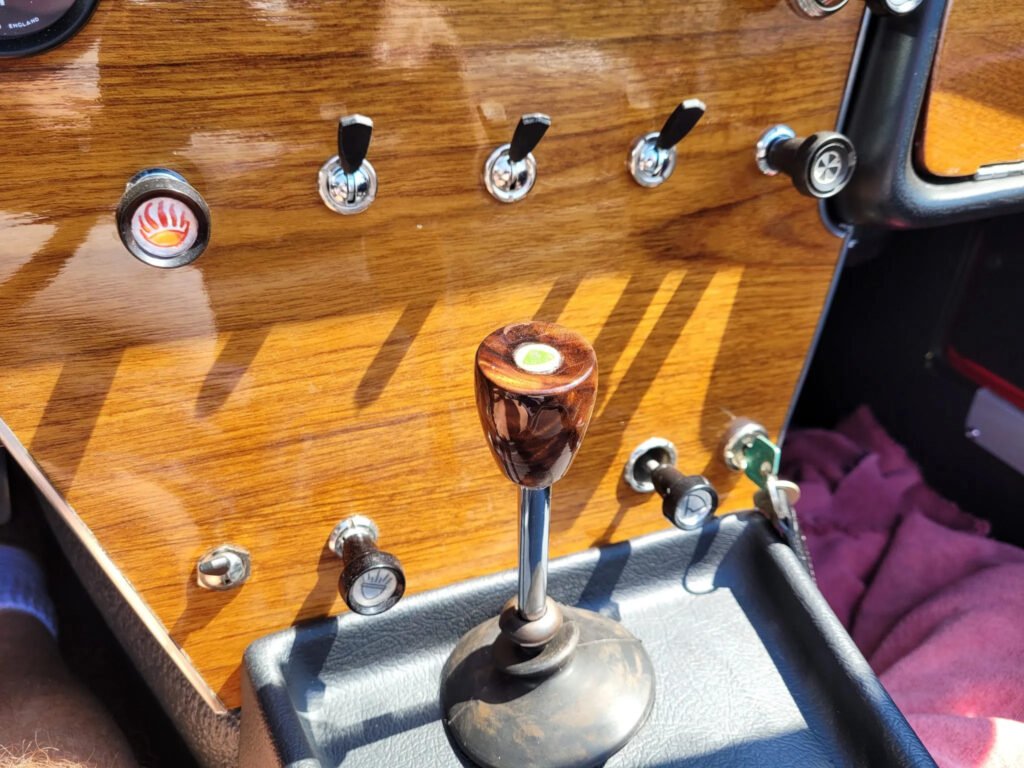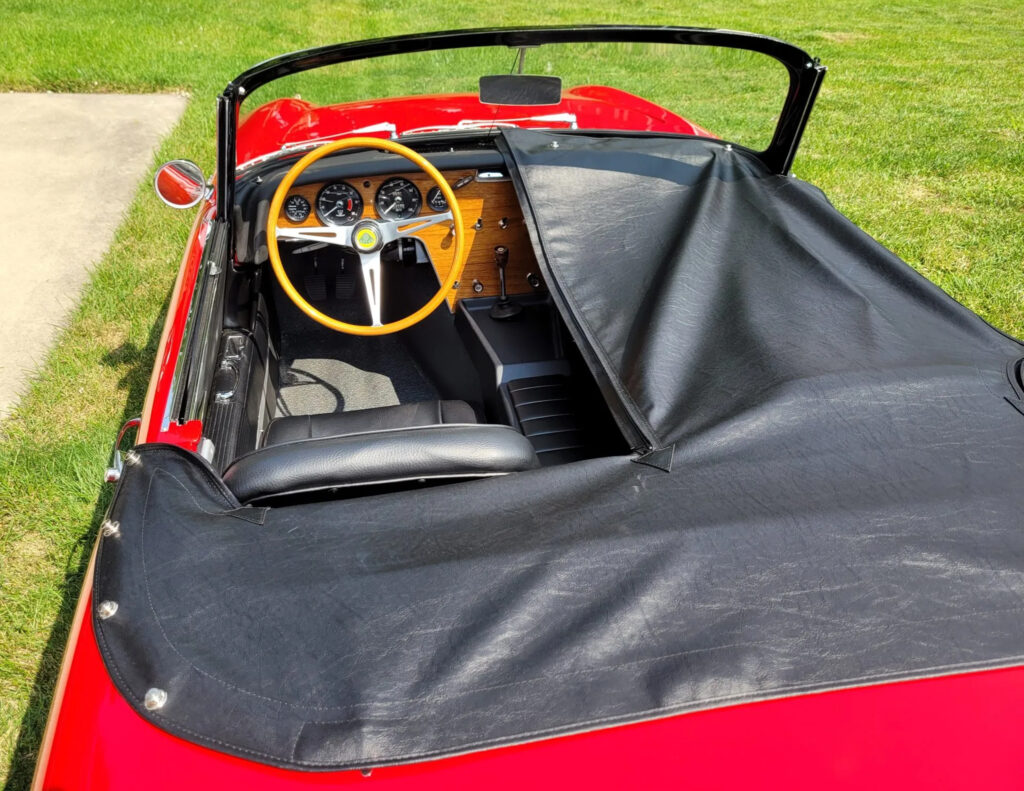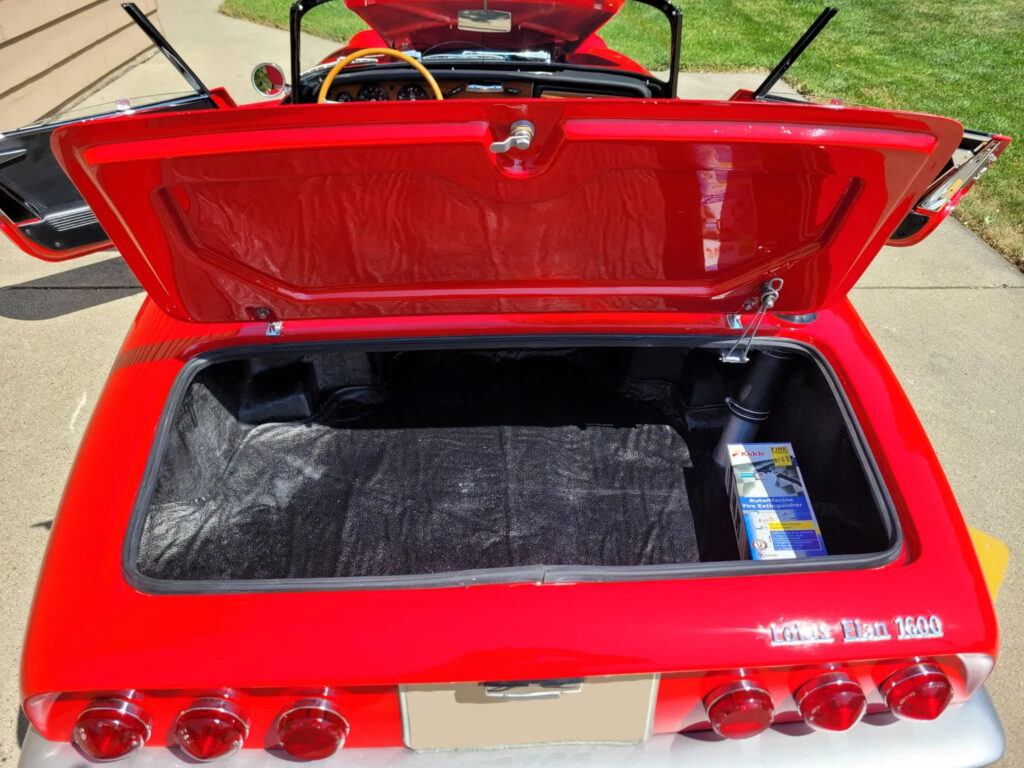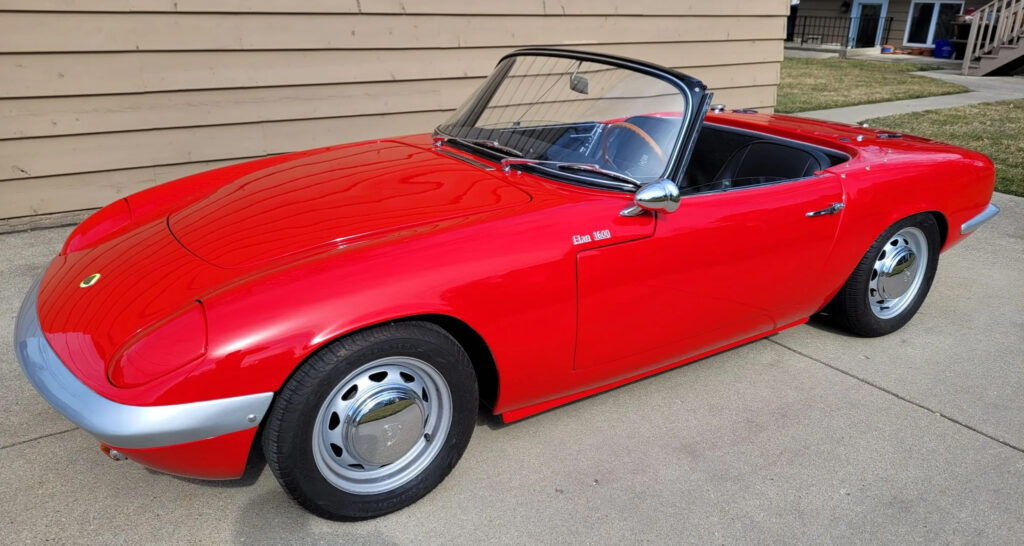
The Lotus Elan is a true sports car. A sports car is about being light, having finesse, and a focus on handling rather than speed. A true sports car is about the driver to feel like he is in control of what is going on. This is a Lotus Elan.
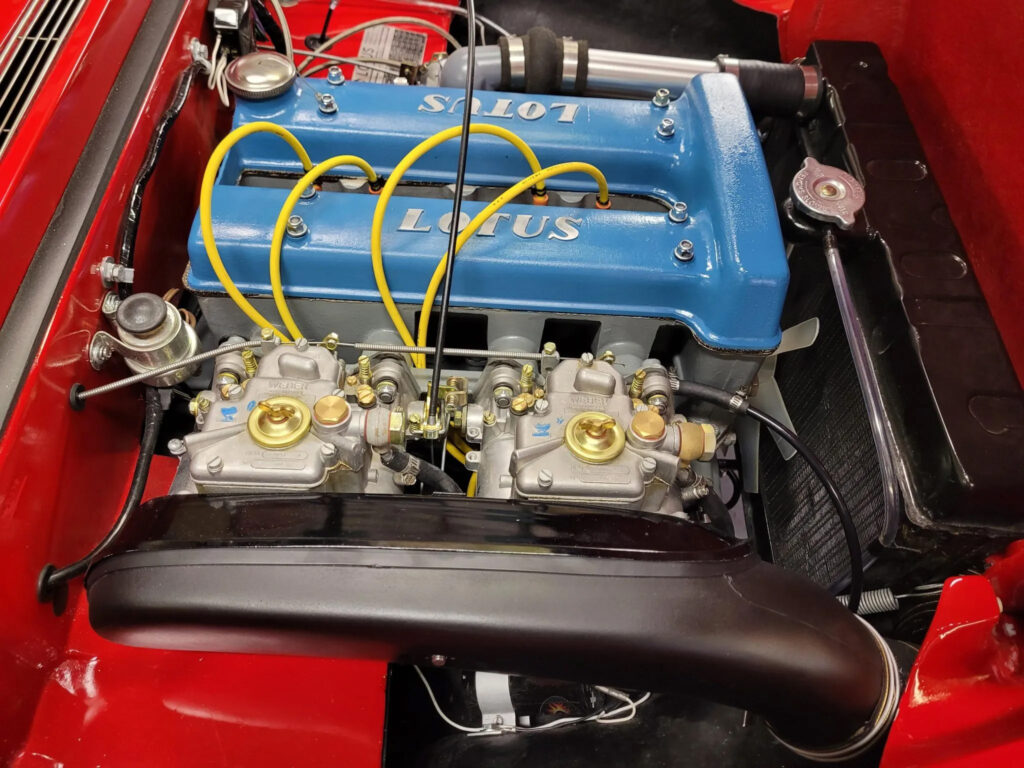
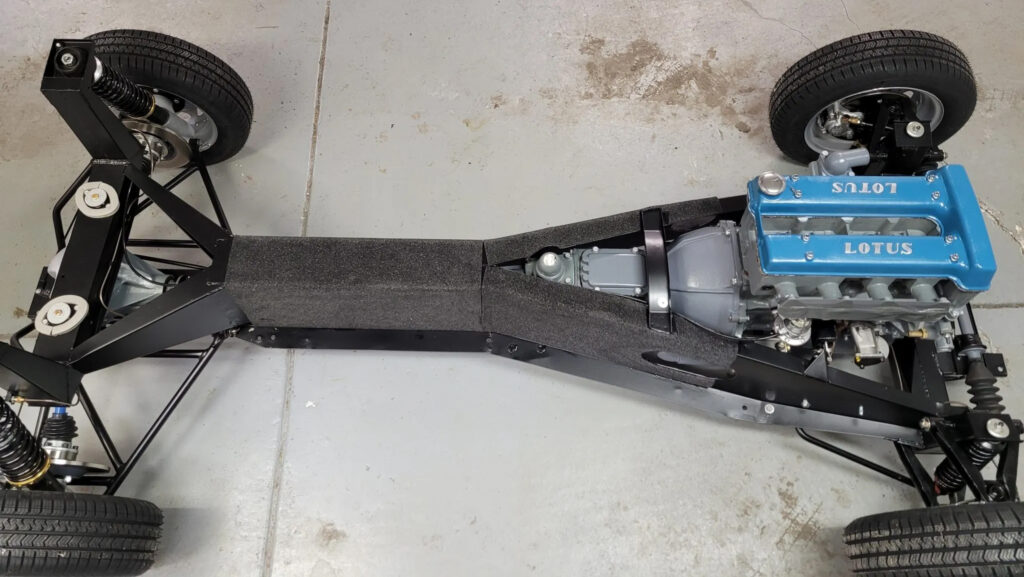
The Lotus Elan was introduced in 1962 at The Lotus Elan was the first Lotus road car to use a steel backbone chassis with a fibreglass body. At 1,500 lb (680 kg), the Elan embodied the Colin Chapman minimum weight design philosophy. Initial versions of the Elan were also available as a kit to be assembled by the customer. The Elan was technologically advanced with a twin-cam 1558 cc engine, 4-wheel disc brakes, and 4-wheel independent suspension. The Lotus-Ford Twin Cam engine was based on Ford’s Pre-Cross-flow 4-cylinder 1500 cc engine, with a Lotus-inspired Cosworth alloy twin-cam head.
The Lotus Elan’s rarity, beautiful lines, impressive performance and practicality are the main factors for the rising interest on these cars among collectors.
The Lotus Elan ceased production in 1973.
In 2004, Sports Car International named the Elan number six on the list of Top Sports Cars of the 1960s.
The Lotus Elan is commonly credited as being the design inspiration for the highly successful Mazda MX-5. Two Lotus Elans were intimately evaluated by Mazda in the process of designing the MX-5.
Each version of the Lotus Elan brought unique advancements while staying true to Lotus’s core philosophy: lightness, agility, and driver-focused performance. Whether for road or track, the Elan remains one of the most beloved sports cars of its era.
| BODYWORK | ||
| BODY TYPE | 2 seater convertible/cabriolet | |
| NUMBER OF DOORS | 2 | |
| DESIGNER | ||
| DIMENSIONS & WEIGHTS | ||
| WHEELBASE | 2134mm | 84 inches |
| TRACK/TREAD (FRONT) | 1194 mm | 47 inches |
| TRACK/TREAD (REAR) | 1194 mm | 47 inches |
| LENGTH | 3689mm | 145.2 inches |
| WIDTH | 1422 mm | 56 inches |
| HEIGHT | 1105 mm | 43.5 inches |
| GROUND CLEARANCE | 152 mm | 6 inches |
| LENGTH:WHEELBASE RATIO | 1.73 | |
| KERB WEIGHT | 585 kg | 1290 lb |
| WEIGHT DISTRIBUTION | 47.5% front | |
| FUEL TANK CAPACITY | 45.5 litres | 10 [12] UK [US] gal. |
| AERODYNAMICS | ||
| DRAG COEFFICIENT | ||
| FRONTAL AREA | ||
| CDA | ||
| POWERTRAIN | ||
| ENGINE TYPE | naturally aspirated petrol | |
| ENGINE MANUFACTURER | Lotus | |
| ENGINE CODE | ||
| CYLINDERS | Straight 4 | |
| CAPACITY | 1.6 litre 1558 cc (95.075 cu in) | |
| BORE × STROKE | 82.57 × 72.75 mm 3.25 × 2.86 in | |
| BORE/STROKE RATIO | 1.13 | |
| VALVE GEAR | double overhead camshaft (DOHC) 2 valves per cylinder 8 valves in total | |
| MAXIMUM POWER OUTPUT (NET) | 106 PS (105 bhp) (78 kW) at 5500 rpm | |
| MAXIMUM TORQUE (NET) | 146 Nm (108 ft·lb) (14.9 kgm) at 4000 rpm | |
| SPECIFIC OUTPUT (NET) | 50.3 kW/litre 68.3 ps/litre 67.4 bhp/litre 1.1 bhp/cu in | |
| SPECIFIC TORQUE (NET) | 93.71 Nm/litre 1.13 ft·lb/cu3 | |
| ENGINE CONSTRUCTION | ||
| SUMP | wet sumped | |
| COMPRESSION RATIO | 9.5:1 | |
| FUEL SYSTEM | 2 We 40 DCOE carbs | |
| BMEP (BRAKE MEAN EFFECTIVE PRESSURE) | 1177.6 kPa (170.8 psi) | |
| MAXIMUM RPM | ||
| CRANKSHAFT BEARINGS | ||
| ENGINE COOLANT | Water | |
| UNITARY CAPACITY | 389.5 cc | |
| ASPIRATION | Normal | |
| COMPRESSOR | N/A | |
| INTERCOOLER | None | |
| CATALYTIC CONVERTER | N | |
| PERFORMANCE | ||
| ACCELERATION 0-80KM/H (50MPH) | 6.4 s | |
| ACCELERATION 0-60MPH | 8.7 s | |
| ACCELERATION 0-100KM/H | ||
| ACCELERATION 0-160KM/H (100MPH) | 26.8 s | |
| STANDING QUARTER-MILE | 16.4 s | |
| STANDING KILOMETRE | ||
| MAXIMUM SPEED | 185 km/h (115 mph) | |
| POWER-TO-WEIGHT RATIO | Higher is better 181.98 PS/tonne (1000 kg) 0.18 PS/kg 133.84 kW/tonne (1000 kg) 0.13 kW/kg 179.49 bhp/tonne(1000 kg) 0.18 bhp/kg 0.08 bhp/lb | |
| WEIGHT-TO-POWER RATIO | Lower is better 7.47 kg/kW 12.48 lb/bhp | |
| FUEL CONSUMPTION | ||
| FUEL CONSUMPTION | ||
| UNIVERSAL FUEL CONSUMPTION (CALCULATED FROM THE ABOVE) | ||
| LITRES/100KM | ||
| KM/LITRE | ||
| UK MPG | ||
| US MPG | ||
| CARBON DIOXIDE EMISSIONS | ||
| CARFOLIO CALCULATED CO2? | ||
| VED BAND (UK) | ||
| CO2 EFFIZIENZ (DE) | ||
| CHASSIS | ||
| ENGINE POSITION | front | |
| ENGINE LAYOUT | longitudinal | |
| DRIVE WHEELS | rear wheel drive | |
| TORQUE SPLIT | N/A | |
| STEERING | rack & pinion | |
| TURNS LOCK-TO-LOCK | 2.500 | |
| TURNING CIRCLE | 8.90 m | |
| FRONT SUSPENSION | I.W.CS. | |
| REAR SUSPENSION | I.LW. | |
| WHEEL SIZE FRONT | 4.5 x 13 | |
| WHEEL SIZE REAR | 4.5 x 13 | |
| TYRES FRONT | 5.20-13 | |
| TYRES REAR | 5.20-13 | |
| BRAKES F/R | Di/Di | |
| FRONT BRAKE DIAMETER | 241 mm | |
| REAR BRAKE DIAMETER | 254 mm | |
| BRAKED AREA | 2310 cm2 | |
| GEARBOX | 4 speed manual | |