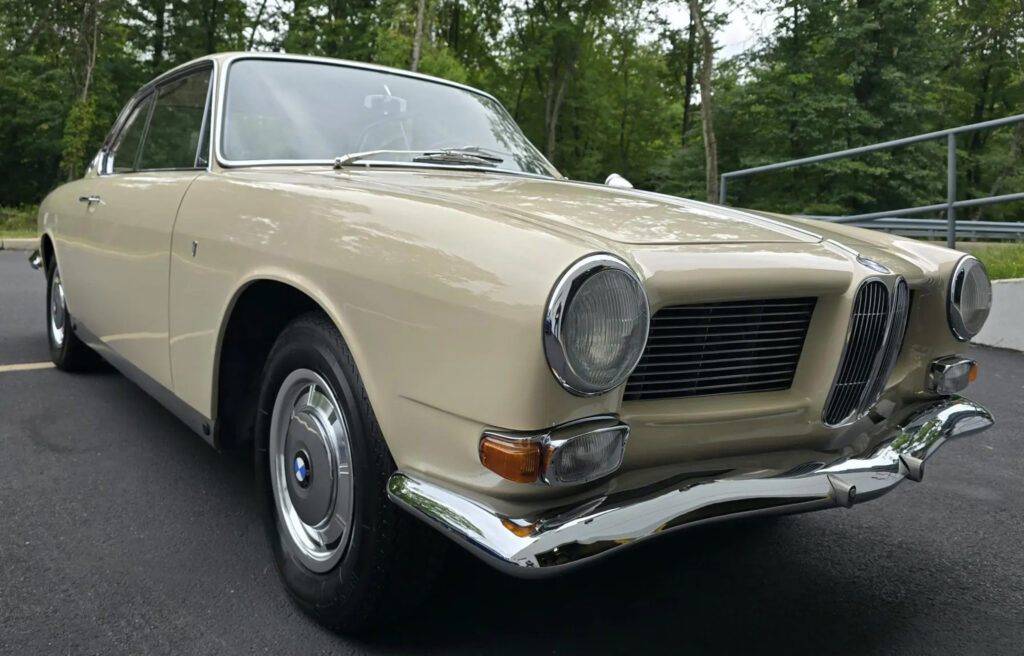
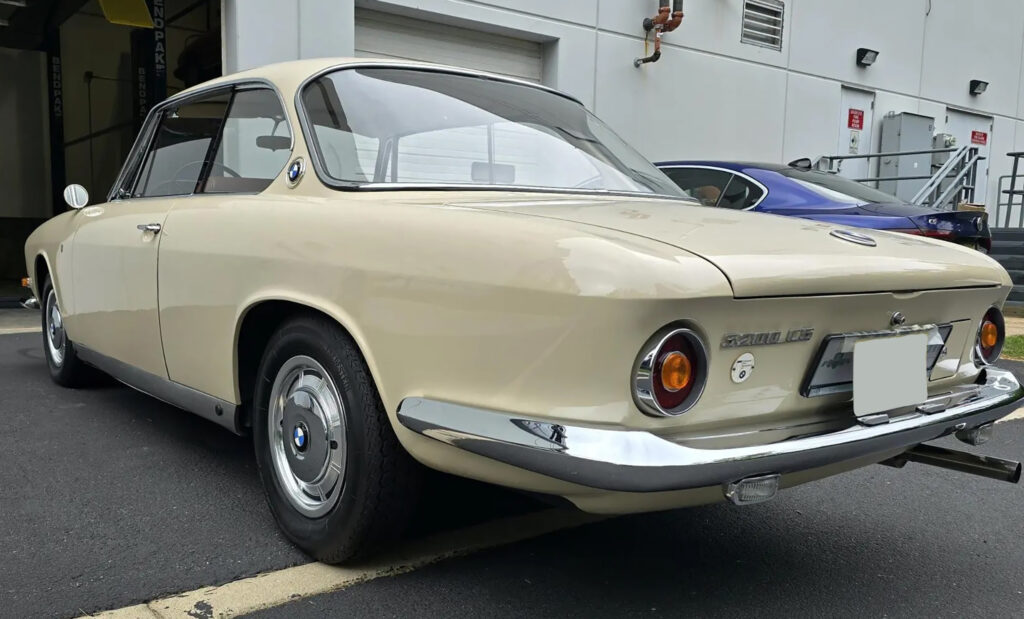
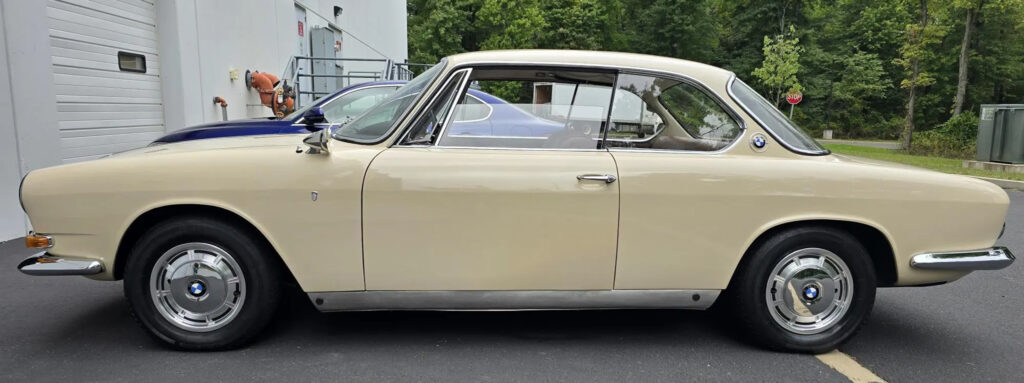
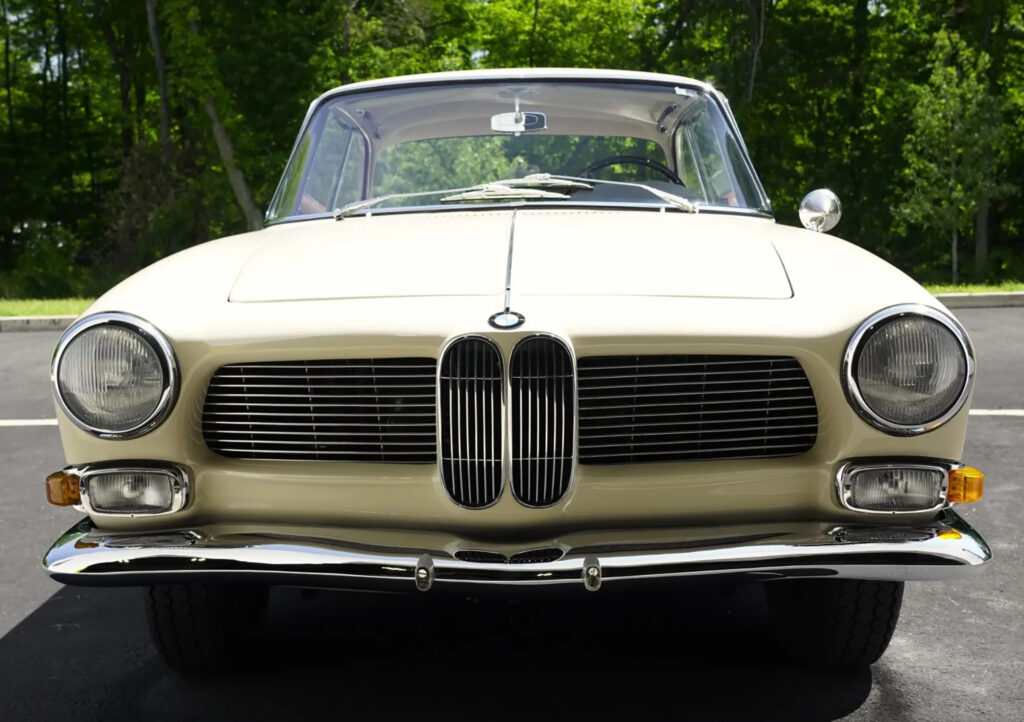
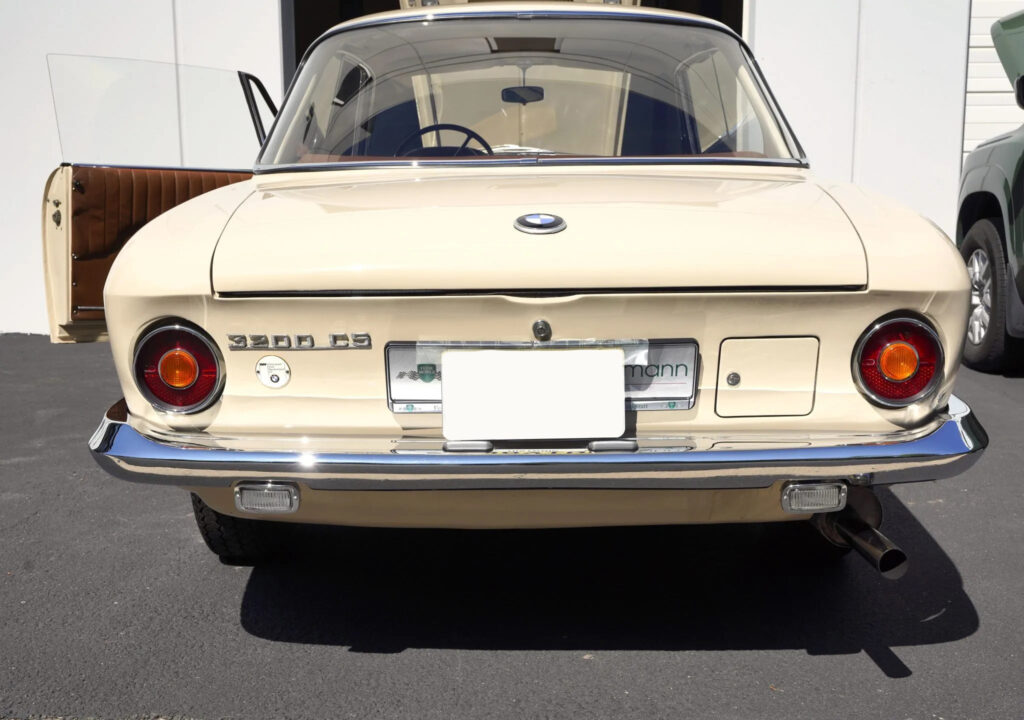
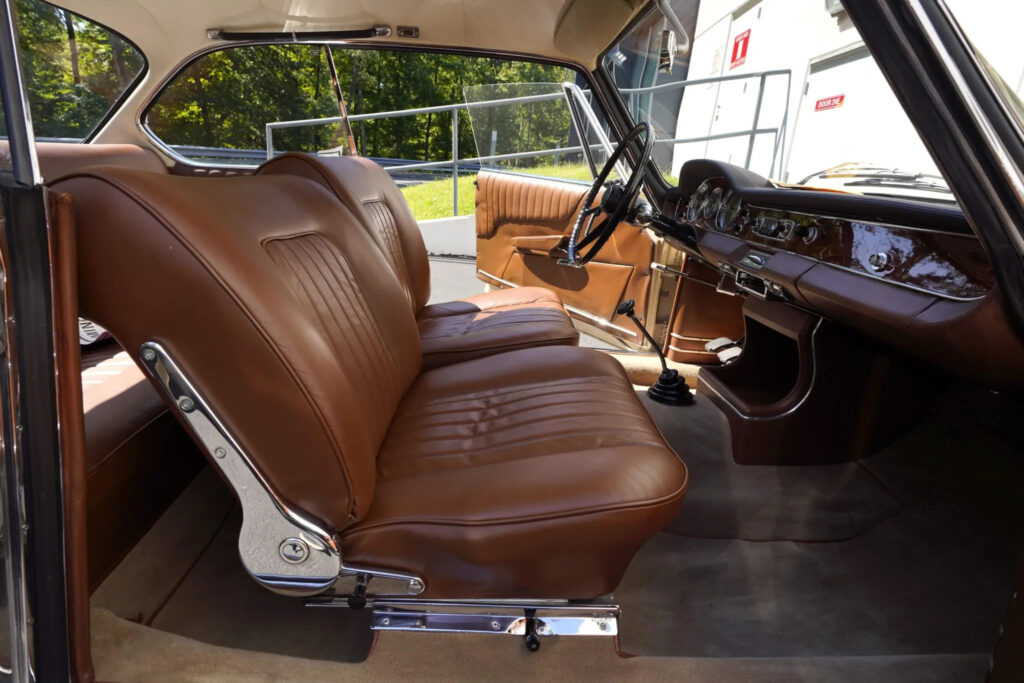
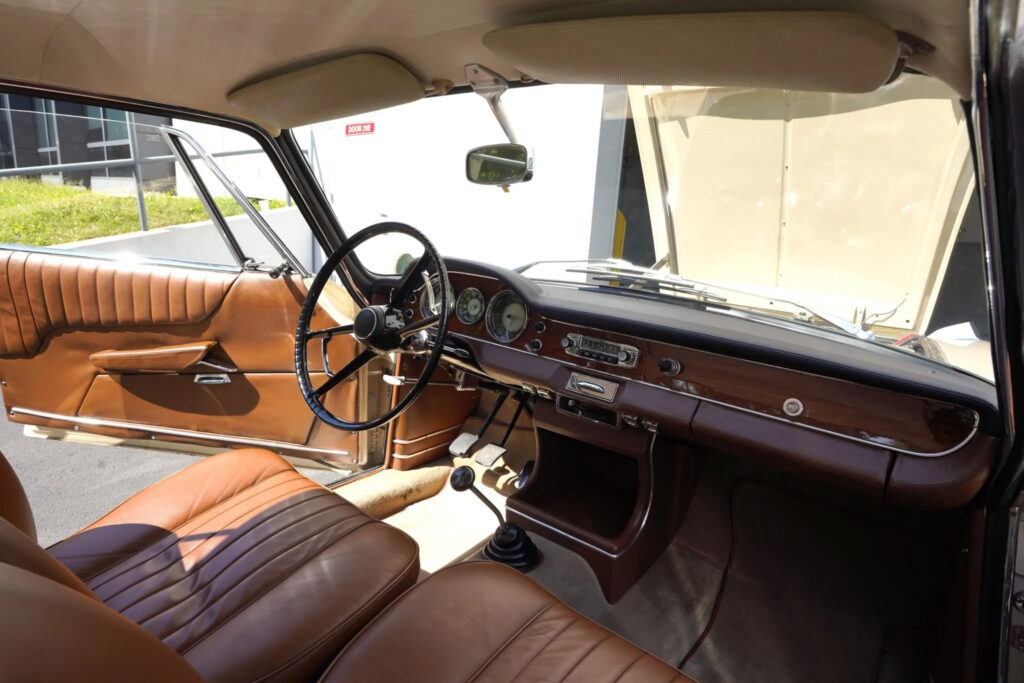
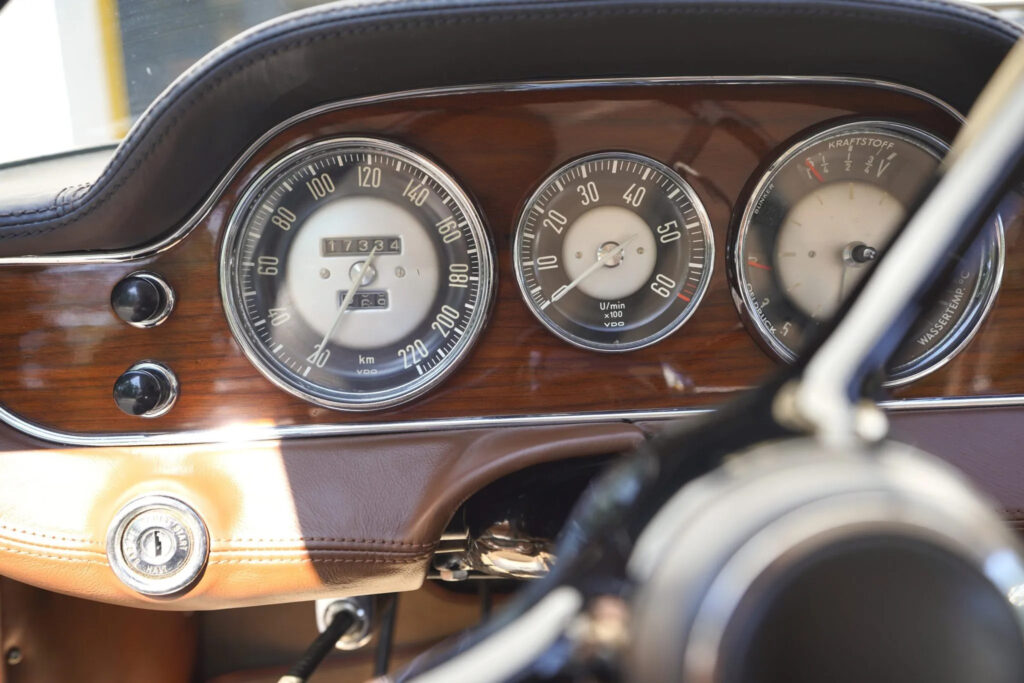
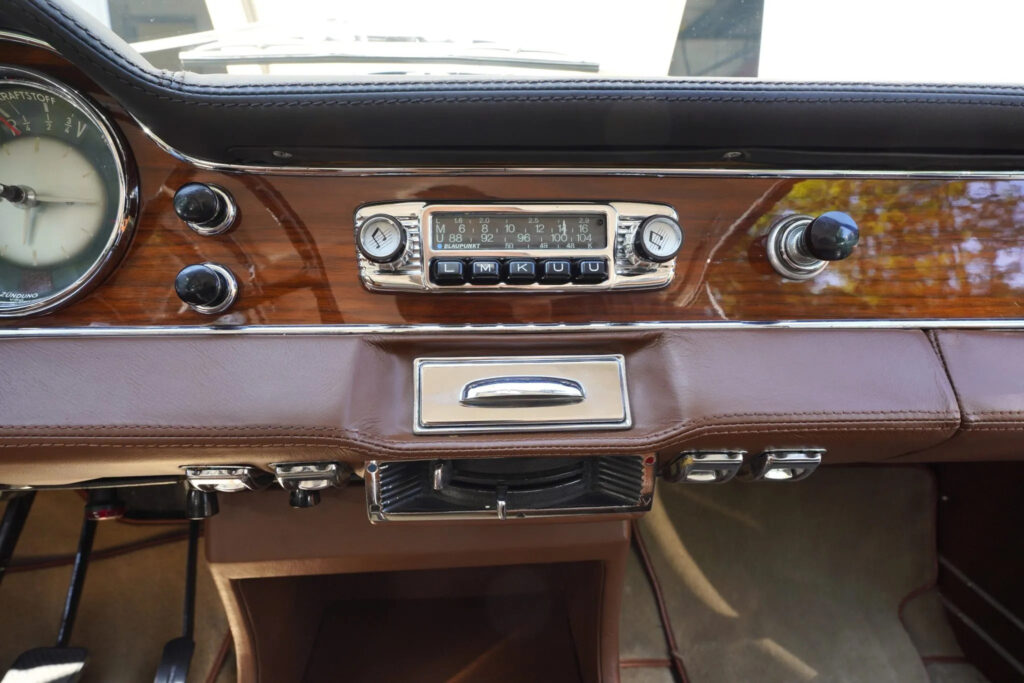
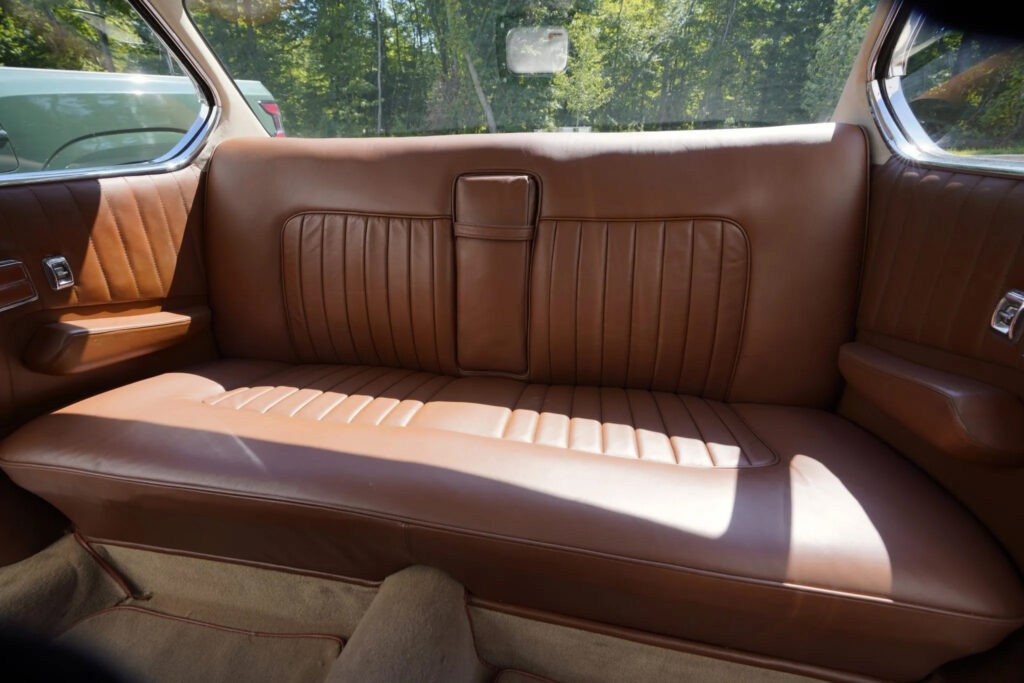
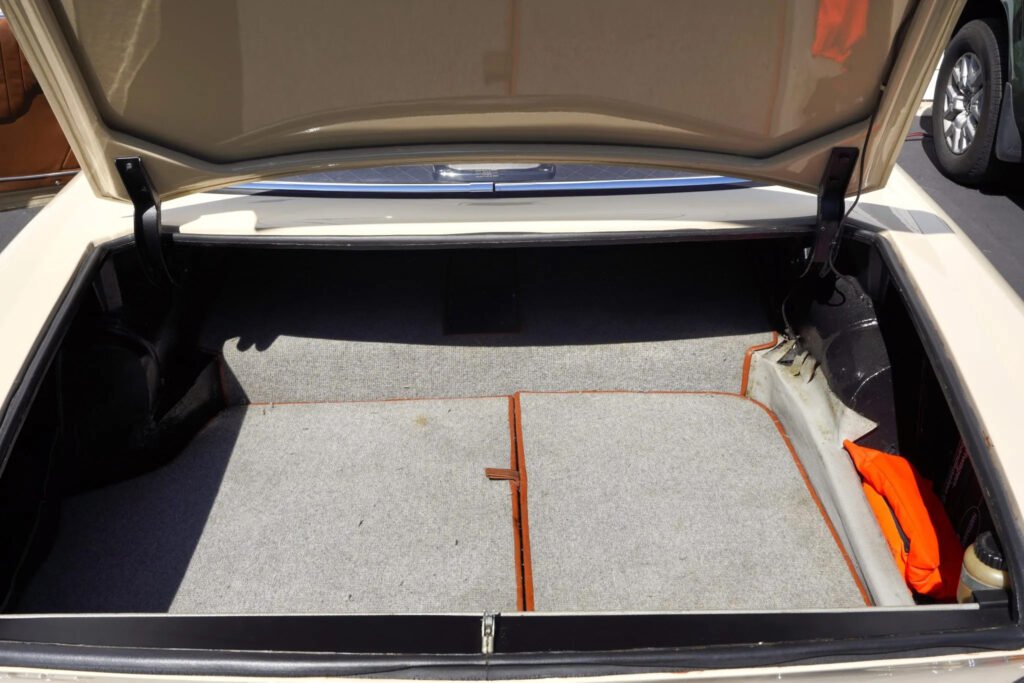
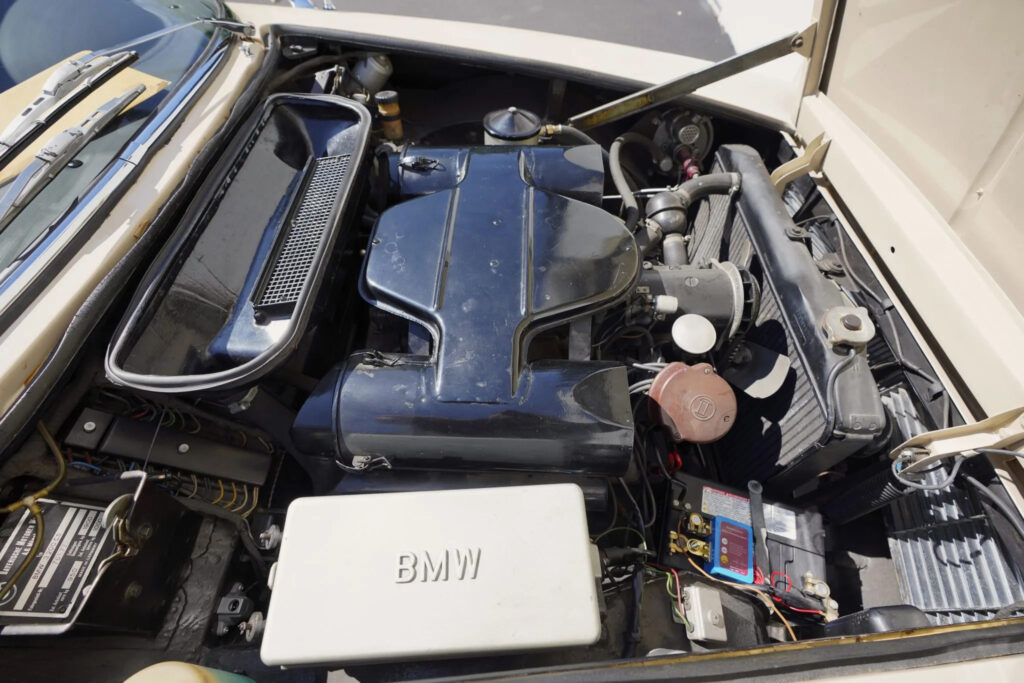
In 1962, a coupe made its debut, the successor to the BMW 503; the design leaned towards the Italian flair prevalent at the time and expressed this idiom with even more intensity. Nuccio Bertone, a coachbuilder from Turin, designed a sporty, elegant and yet remarkably spacious dress of steel for the BMW 3200 CS. An unmistakable element of the design was the Hofmeister Knick, or Hofmeister Kink, integrated into the look of the side windows, something used for the first time on a two-seater. This design element was named after BMW’s Head Designer Wilhelm Hofmeister and is an opposed curve at the base of the C-pillar, something which still distinguishes BMW automobiles today. The BMW 3200 CS was powered by a 160 hp V8 engine, had a top speed of 200 km/h and above all symbolised an air of assured prestige in the luxury segment, in addition to its confident sportiness.
Engine
Configuration
90º V8
Location
Front, longitudinally mounted
Construction
alloy block
Displacement
3,168 cc / 193.3 cu in
Bore / Stroke
82.0 mm (3.2 in) / 75.0 mm (3 in)
Compression
9.0:1
Valvetrain
2 valves / cylinder, OHV
Fuel feed
2 Zenith 36 NDIX Carburettors
Aspiration
Naturally Aspirated
Power
160 bhp / 119 kW @ 5,600 rpm
Torque
240 Nm / 177 ft lbs @ 3,600 rpm
BHP/Liter
51 bhp / liter
Drivetrain
Chassis
steel body on box-type frame
Front suspension
triangles, torsion bars
Rear suspension
live axle, torsion bars, torque reaction couplings, hydraulic dampers
Steering
recirculating ball
Brakes
discs front, drums rear
Gearbox
4 speed Manual
Drive
Rear wheel drive
Dimensions
Weight
1,600 kilo / 3,527 lbs
Length / Width / Height
4,830 mm (190.2 in) / 120 mm (4.7 in) / 1,460 mm (57.5 in)
Wheelbase / Track (fr/r)
2,835 mm (111.6 in) / 1,330 mm (52.4 in) / 1,416 mm (55.7 in)