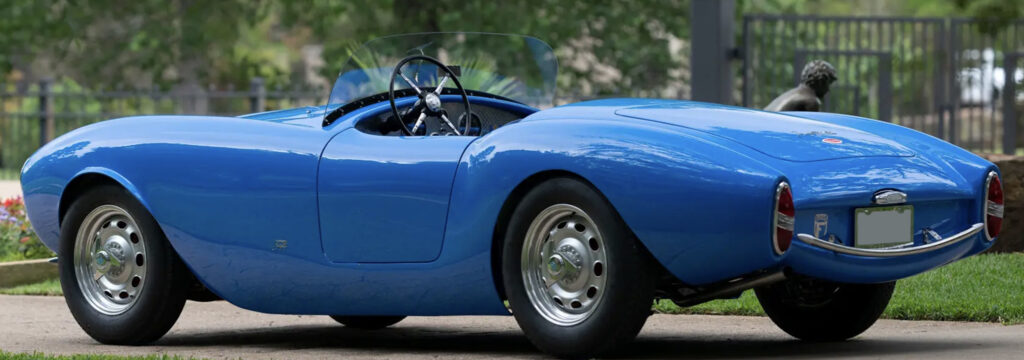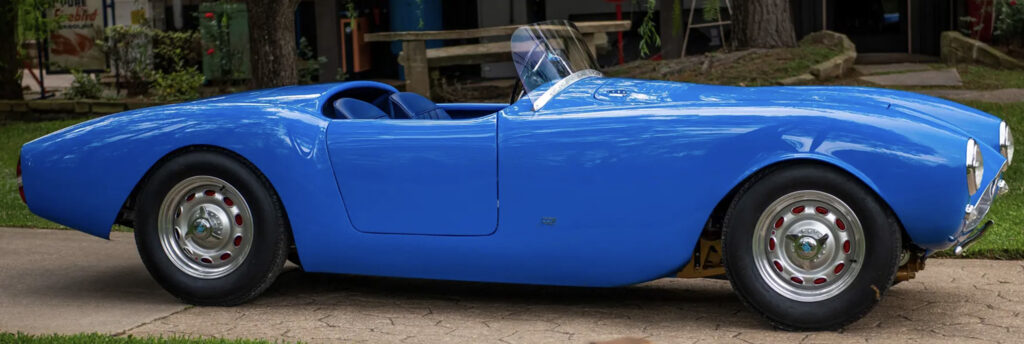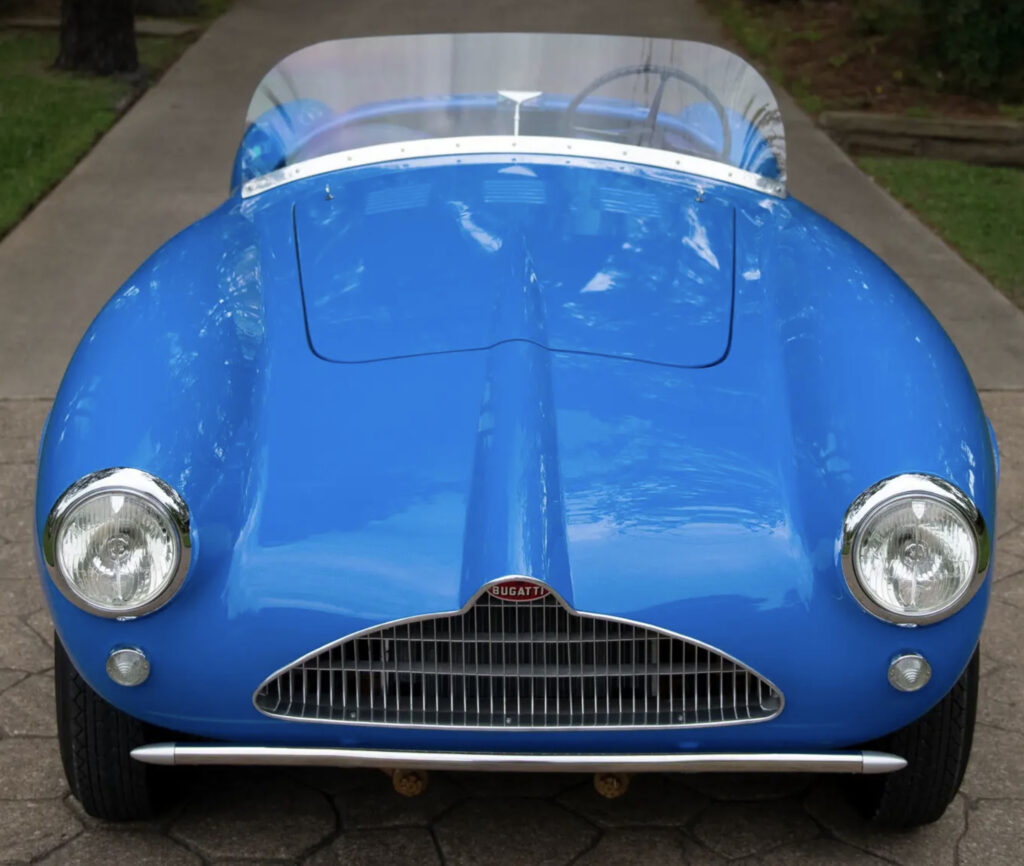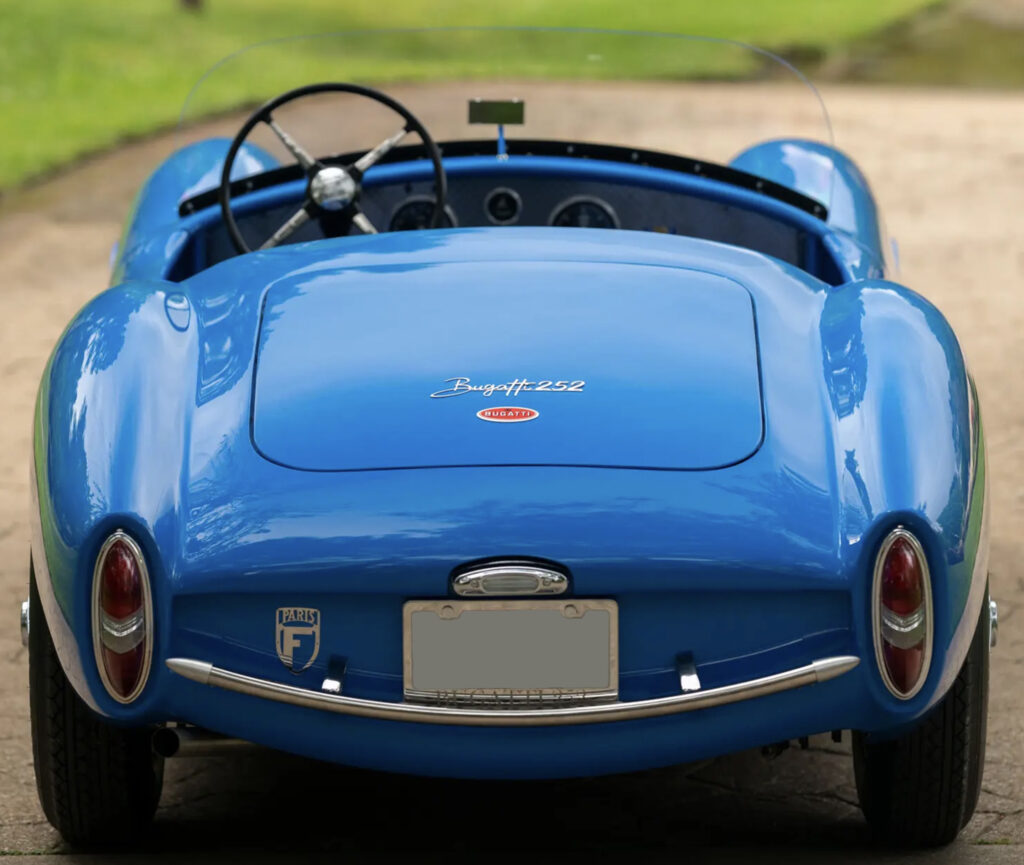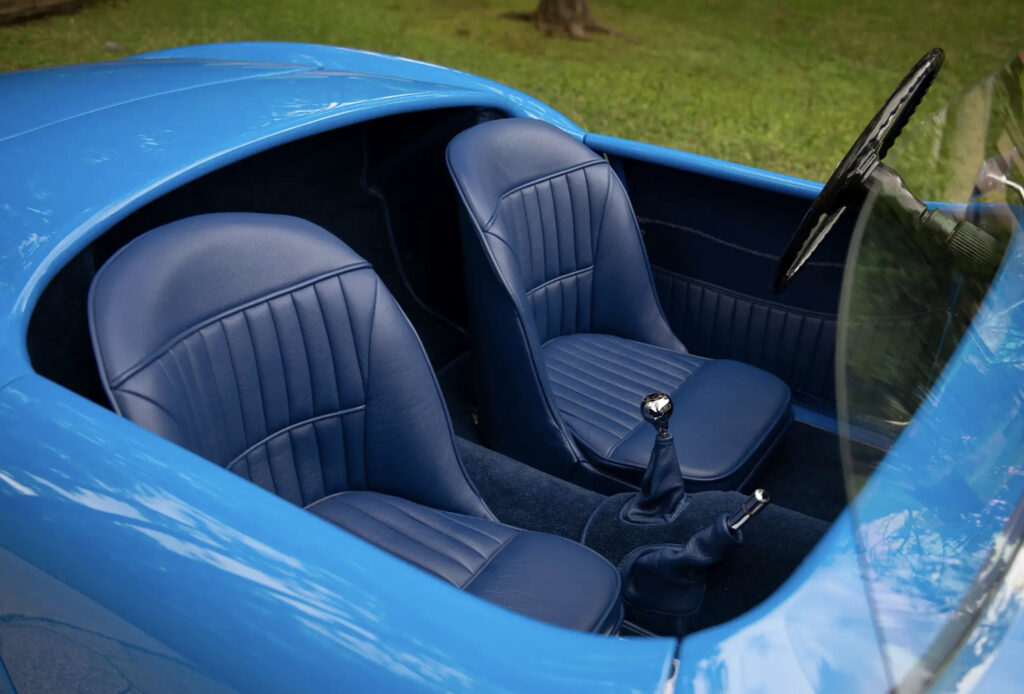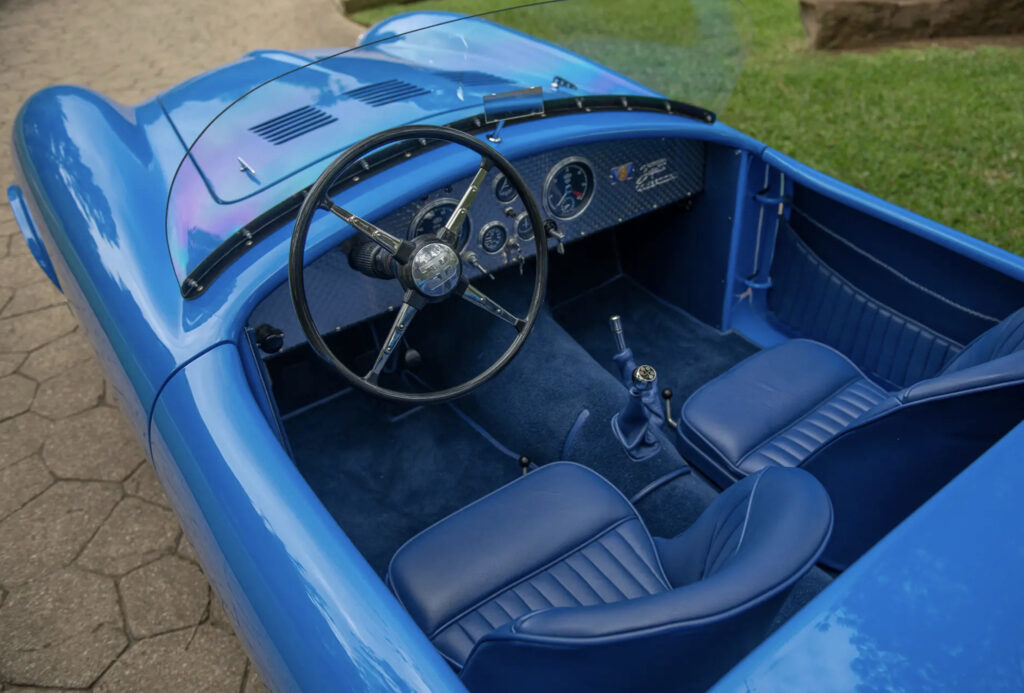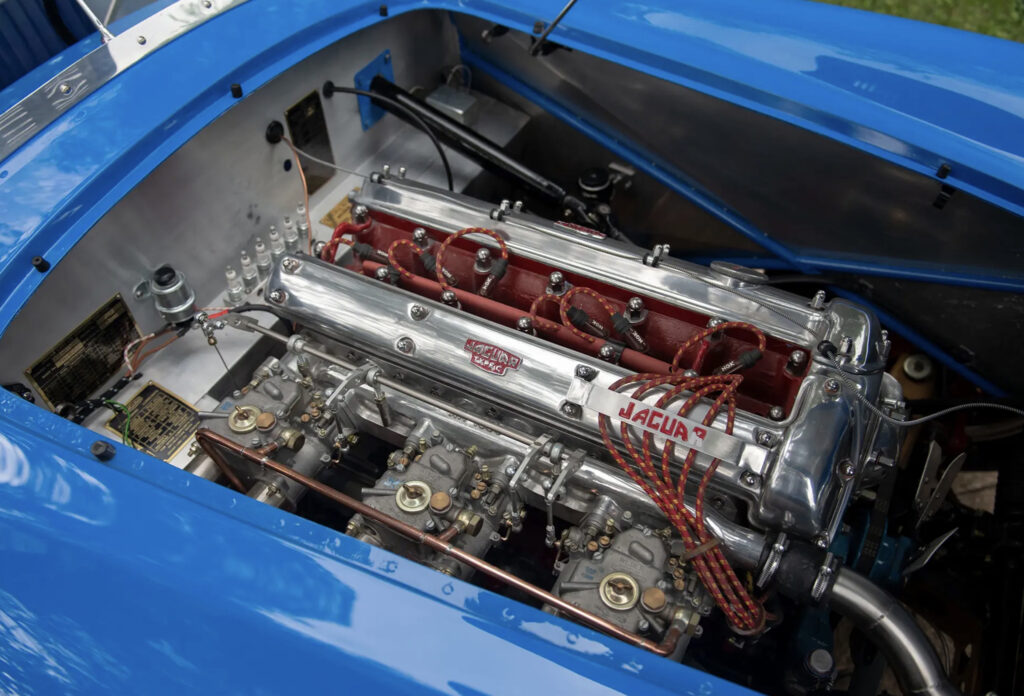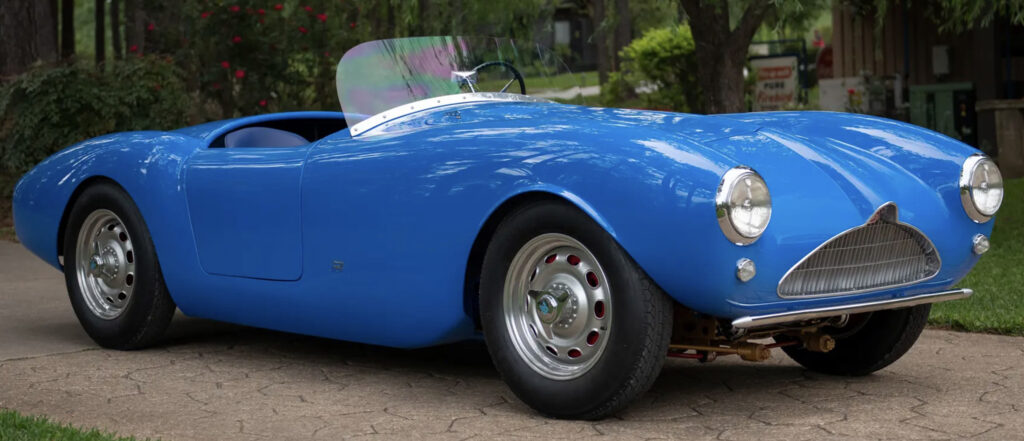
The Bugatti Type 252 is a one-off sports car developed by Bugatti between 1957 and 1962. However the Bugatti Type 252 never went beyond the prototype stage. The car now resides in the Cité de l’Automobile museum in Mulhouse, France.
Developed between 1957 and 1962, the Bugatti Type 252 was the last car proposed by the historic Bugatti brand before it was sold to Hispano-Suiza in 1963. The Bugatti Type 252 is the result of a mid-size sports car study conducted by Roland Bugatti and was designed by Giovanni Michelotti. It was reportedly pitched to multiple different investors but never was funded and remained a one-off. It is powered by a 1.5 L inline 4 engine with twin overhead camshafts and uses MacPherson strut suspension in the front and rear. During development, the car suffered numerous engine problems.
Production: 1956
Number: 2
Engine: Monoblock.
Cylinders: 4 in line.
Boring x stroke: 78 x 78 mm
Displacement: 1490 cc
Main bearings: 5 plain bearings
Connection rod bearings: Plain bearings
Valve mechanism: 2 overhead camshafts, 2 valves per cylinder, hairpin valves.
Power: 120 hp/7000 tr.
Distribution: Chain.
Lubrication: Pressure lubrication.
Power supply: 2 Weber 36 DCF
Ignition: Coil ignition.
Cooling: Honeycomb radiator, water pump, electric fan.
Transmission: Rear-wheel drive.
Clutch: Dry single plate.
Gearbox: Integral with engine, 4 gears and reverse, shaft drive.
Gear lever: Central on bullet.
Chassis: Tube chassis.
Front suspension: Rigid axle with semi-elliptical leaf springs running through the shaft.
Rear suspension: The Dion axle.
Brakes: Hydraulic disc brakes.
Control: Worm and worm wheel.
General dates:
Wheelbase: 2300 mm
Track front/rear: 1300/1300 mm
Weight: 870 kg
Wheels: Spoke or steel.
Tires: 16 x 5.50
Specific:
A new version was also developed with a new cylinder head, normal valve springs and distribution chain on the front of the engine. Later, a new block was designed with the same head but chain distribution at the back of the engine.